A Portugal wedding lighting guide begins with one simple truth: the light that makes a place feel magical is not always the light that photographs best at every hour. Portugal offers extraordinary variety, from sun-washed Algarve terraces to candlelit Porto cellars and the soft, river-reflected glow of the Douro Valley. With thoughtful timing and a lighting plan that respects your venue, your celebration can feel just as beautiful to your guests as it does in the photographs you keep for decades.
Begin With the Light Your Venue Already Has
Before choosing chandeliers, candles, or strings of bulbs, pay attention to the architecture and natural surroundings. A historic Lisbon palace may have grand windows, richly colored walls, and rooms that grow quite dark after sunset. A coastal venue may offer open skies and intense afternoon sun. A country estate can have shaded gardens, olive trees, and a reception area that transforms completely once evening arrives.
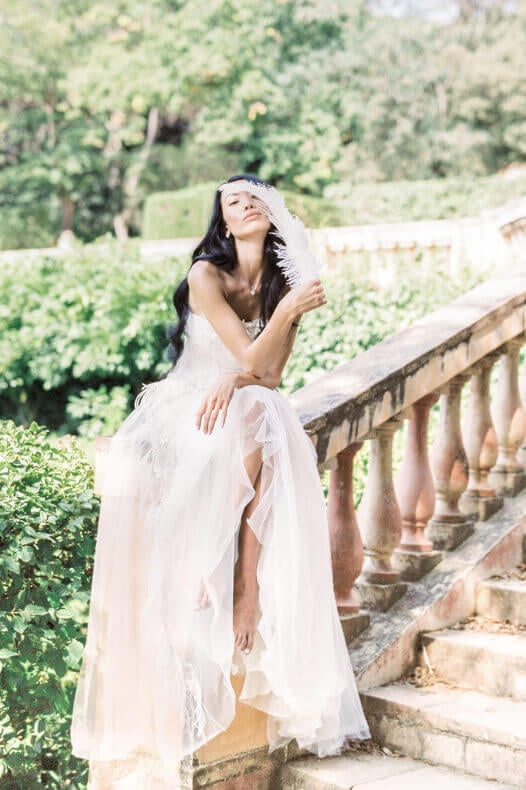
Natural light is usually the most flattering starting point for wedding portraits, ceremony photographs, and intimate moments before the celebration begins. It creates softness in skin tones, depth in a landscape, and a sense of place that artificial lighting cannot replace. That does not mean every part of your day needs to happen outdoors. It means the schedule should make the most of the daylight available.
When touring a venue remotely, ask for photographs and video taken at the same time of year and day as your wedding. A terrace that looks luminous at 6:00 p.m. in June may be in deep shadow at that hour in October. The direction of the sun, nearby hills, mature trees, and surrounding buildings all matter.
Plan Your Ceremony Around the Sun
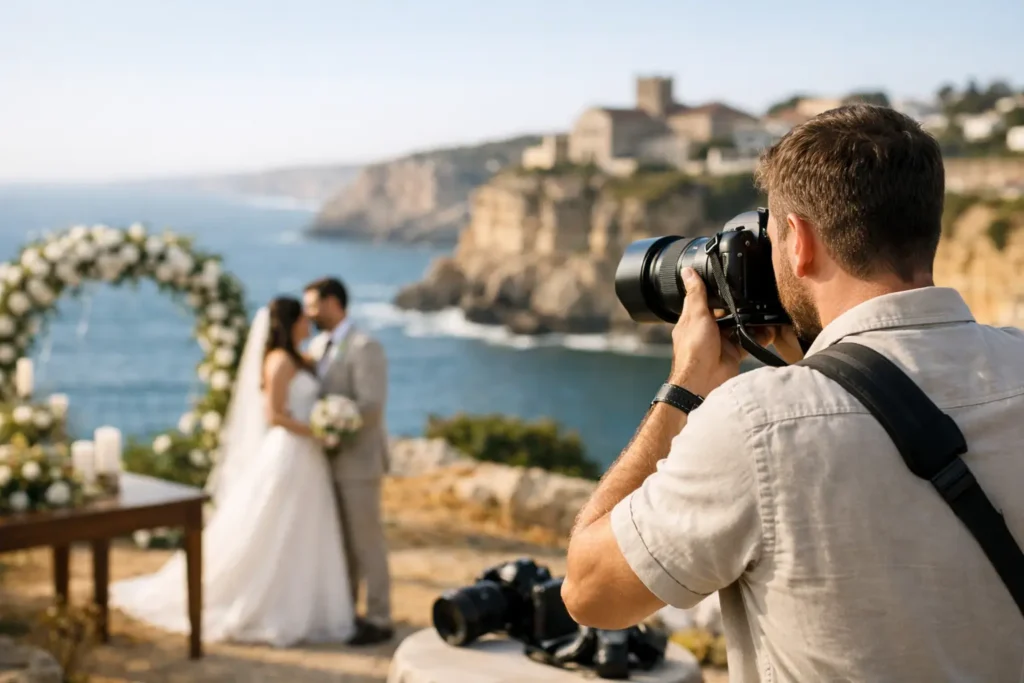
For many destination weddings in Portugal, the ceremony is the visual heart of the day. The right ceremony time can make a greater difference than nearly any decorative choice.
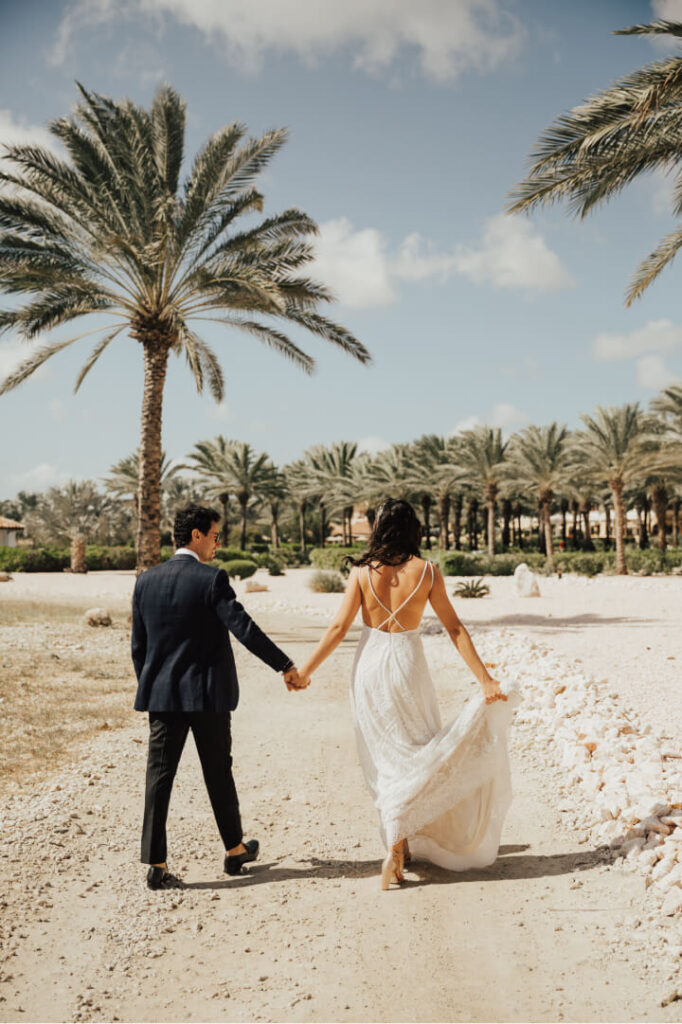
In summer, midday sun can be bright, high, and unforgiving, particularly in the Algarve and open areas of the Douro Valley. A ceremony in direct sun may leave guests squinting and create strong shadows across faces. If your venue has an elegant shaded courtyard, a garden with filtered light, or an indoor ceremony room with large windows, a midday ceremony can still work beautifully. Otherwise, a later afternoon start is often more comfortable and flattering.
In spring and fall, light softens earlier, but the day also ends sooner. Couples planning an outdoor ceremony should allow enough time afterward for family photographs, a relaxed cocktail hour, and portraits before darkness falls. In winter, a daytime ceremony may be the most practical choice, especially for a venue with a scenic view you want to experience in your images.
A useful approach is to plan your ceremony roughly two to three hours before sunset, then adjust according to the venue’s shade and the season. Your photographer and planner can help refine this. The goal is not to chase a rigid formula, but to give yourselves breathing room and avoid turning sunset portraits into a rushed appointment.
Think About Where You Will Stand
The couple’s position matters as much as the ceremony time. Whenever possible, avoid facing directly into the sun. Gentle backlight or side light tends to feel more romantic in photographs, while allowing you and your guests to remain comfortable.
Ask your planner to consider where the officiant will stand, how the aisle is oriented, and whether guests will look toward the sun. A small adjustment to the ceremony layout can protect the experience for everyone and create a calmer, more natural setting for your vows.
Create an Evening Atmosphere, Not Just Brightness
Once daylight fades, lighting becomes part of the emotional design of the celebration. The most memorable reception lighting is rarely the brightest. It is layered, warm, and intentional.
Start with the venue’s existing light. Many Portuguese venues have beautiful fixtures, stone walls, tiled details, or architectural features worth preserving. Then build gentle layers around them: candlelight on tables, warm overhead festoon lights for an outdoor dinner, and discreet uplighting to give depth to a courtyard or historic room.
Candlelight is especially beautiful for intimate dinners and speeches because it brings warmth close to the table. For safety and venue rules, consider high-quality LED candles if open flames are restricted. They will not replicate every flicker of a real flame, but they can still create a soft, elegant feeling without risking a last-minute change of plan.
Festoon lights can define an open-air space and make an outdoor reception feel inviting after dark. Their trade-off is scale. Too few strands can disappear in a large setting, while too many can feel busy or compete with the view. Use them to frame a dining area, terrace, or dance floor rather than covering every available space.
Choose Warm, Consistent Color Temperature
One of the quiet details that has a major impact on photographs is color temperature. Warm lighting generally feels inviting and flattering. Cool white lighting can make skin look pale, shift flowers toward blue, and give a reception space a harsher mood than intended.
For candles, bulbs, and decorative fixtures, choose warm white tones whenever possible. More importantly, try to keep the color consistent. Mixing warm string lights, blue uplighting, and bright white LEDs can make a room feel visually unsettled and creates difficult color casts in photographs.
There are exceptions. A carefully designed dance floor can hold a little more energy and contrast, particularly later in the evening. The key is to separate the moodier party lighting from the soft, warm ambiance where guests dine, speak, and connect.
Protect the Moments That Matter Most
Some wedding moments deserve particular lighting consideration: the first dance, speeches, cake cutting, and any cultural traditions planned after dark. These moments happen quickly, and they are often emotionally rich. A dark dance floor with a single dramatic spotlight can look striking in person, but it may isolate you from your guests and leave little sense of the celebration around you.
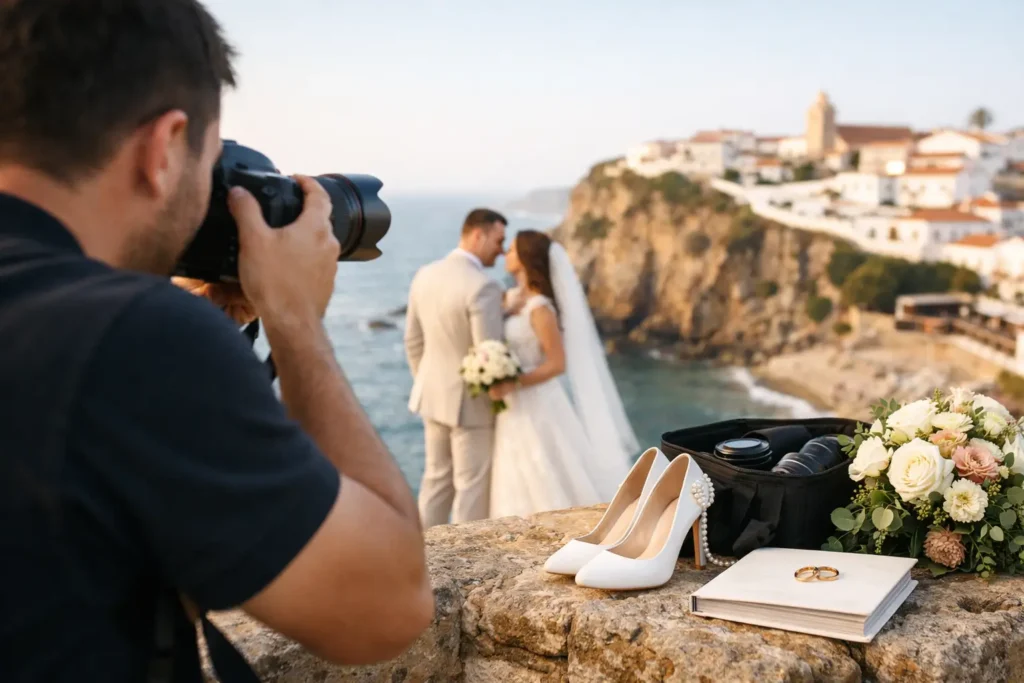
A better balance is often soft ambient light with focused illumination where needed. Your photographer can use subtle professional lighting to preserve natural-looking skin tones and the atmosphere of the room without turning the moment into a staged production.
Let your photographer know in advance if you are planning fireworks, sparklers, a nighttime exit, or an outdoor first dance. These moments can be extraordinary, but timing, safety requirements, wind, and venue restrictions all shape what is possible. Sparklers, for example, create a beautiful visual line, yet they burn quickly and require clear coordination so the experience remains joyful rather than chaotic.
Work With Your Photographer and Planner Early
Lighting is one of the most collaborative parts of destination wedding planning. Your planner understands the venue’s practical limits, including power sources, installation rules, and curfews. Your lighting designer knows how to create atmosphere. Your photographer understands how the light will translate into lasting images.
Share your priorities early. If sunset portraits are essential to you, protect that time in the schedule. If you imagine a candlelit reception with a quiet, cinematic mood, mention it before rentals are confirmed. If you care most about a lively dance floor and photographs full of movement, build the evening lighting around that energy.
At Wedding Photographer Portugal, we often encourage couples to think beyond what a setup looks like in a styled image. Consider how it will feel when your guests arrive, how it will change after sunset, and where the most meaningful interactions will take place. The best lighting plan supports the day rather than asking the day to perform for it.
A Few Practical Details for Portugal
Portugal’s climate makes outdoor celebrations wonderfully possible, but conditions can change. Coastal wind can affect taper candles, lightweight installations, and open flames. Summer heat may make a late-afternoon outdoor ceremony more comfortable than an earlier one. In the Douro Valley, hills can bring shade sooner than a sunset time alone suggests.
Historic venues may also have restrictions on hanging fixtures, running cables, or using flames. Ask about these details before falling in love with a particular lighting concept. A thoughtful alternative is almost always available, and working within the character of the venue often leads to a more elegant result.
Leave room in the timeline for a few quiet minutes outside after dinner if the setting allows. Night portraits under warm lights, beneath a clear sky, or beside the glow of your reception can become some of the most personal images of the day. You do not need to disappear from your guests for long. Sometimes ten unhurried minutes, held in the right light, are enough to remember exactly how it all felt.
Related Articles