A Portuguese wedding day can move from sunlit ceremony vows to candlelit dinner with an ease that feels almost cinematic. But that feeling is created well before anyone lifts a glass. A thoughtful Portugal wedding planning timeline gives you room to choose the right setting, assemble a trusted local team, and make decisions without turning your celebration into a spreadsheet.
Portugal rewards couples who plan early, particularly when a specific venue, season, or photographer matters deeply. The Algarve’s warm-weather dates, Lisbon’s design-led venues, Porto’s historic character, and the Douro Valley’s intimate estates all have their own rhythms. Start with what you want the experience to feel like, then let the timeline support that vision.
18 to 14 months: Choose the feeling and the region
Before comparing venues, decide what kind of gathering feels true to you. Is it a small ceremony overlooking the Atlantic, a long table among Douro vines, or a city celebration where guests can wander from dinner into Lisbon’s evening energy? Guest count, travel style, and the atmosphere you hope to create will guide nearly every later choice.
This is also the moment to consider season honestly. May, June, September, and October are especially sought after because they often bring beautiful light and comfortable temperatures. They can also be busy and more expensive. July and August offer long, bright days, but heat can affect ceremony comfort, especially inland or in the Algarve. Winter can be wonderfully intimate, with lower demand and softer light, though daylight hours are shorter and rain plans deserve real attention.
Once you have a preferred region and a range of dates, begin conversations with venues. Ask about guest capacity, curfews, accommodation, rain options, exclusivity, and what is included in the fee. A venue that looks extraordinary in photographs may require extensive rentals, transport, or a separate backup space. The most beautiful choice is usually the one that works as graciously as it looks.
For couples traveling from the United States, this is a wise time to set a realistic overall budget in euros, with a reserve for exchange-rate changes and destination logistics. Build in transportation, welcome events, farewell brunches, vendor travel, and guest shuttles if your location calls for them.
14 to 12 months: Book the people who shape the day
After your date and venue are secure, book the vendors whose availability will influence the rest of the plan. A Portugal-based wedding planner can be invaluable if you are coordinating from abroad, particularly for contracts, local communication, site visits, and the fine details that are hard to assess from another time zone.
Photography should be an early priority, not a final addition. The right photographer does more than preserve the finished design. They help you consider the pace of the day, the direction of the light, portrait locations, and the amount of time you will actually have with the people you love. At Wedding Photographer Portugal, this guidance is part of creating imagery that feels natural rather than arranged.
As you meet photographers, look beyond a highlight gallery. Ask to see complete wedding stories in similar conditions: bright coastal sun, low-light dinners, historic interiors, or multi-location celebrations. You are looking for consistent storytelling, calm direction, and photographs that still feel like the people in them.
Secure your planner, photographer, videographer if desired, and entertainment next. If a particular florist, celebrant, hair and makeup artist, or band is central to your vision, book them now as well. Popular Saturday dates can disappear more quickly than couples expect.
12 to 9 months: Make the destination easy for guests
This phase is about hospitality. Send save-the-dates early, especially for a wedding in a region that requires connecting flights or limited accommodation. Guests coming from the US will appreciate a clear wedding website or information document with airport options, suggested hotels, transfer guidance, dress expectations, and a simple outline of events.
Choose whether you want to host additional gatherings. A welcome dinner can soften the distance between guests who have traveled from different places, while a farewell brunch gives everyone a gentle ending. Neither is required. A smaller wedding may feel more relaxed with one excellent meal and a little unscheduled time.
Begin building your design direction with your planner and florist. Portugal offers remarkable natural texture: tiled courtyards, pale stone, olive branches, vineyard rows, and dramatic coastlines. Let the setting lead. Rather than bringing a concept that competes with the venue, choose details that give its character room to breathe.
If you are planning a legal marriage in Portugal, start confirming requirements with the appropriate authorities or a qualified local professional at this stage. Documentation rules, translations, apostilles, and timelines can vary depending on nationality and personal circumstances. Many international couples choose to complete the legal marriage at home and hold a symbolic ceremony in Portugal, which can simplify the experience without making the vows any less meaningful.
9 to 6 months: Turn ideas into a real wedding day
By now, your guest list should be taking shape, which allows you to refine catering, rentals, transportation, and floor plan options. Schedule a tasting if you can travel to Portugal beforehand. If not, ask your planner for detailed menus, photographs, and recommendations grounded in your priorities, whether that means regional wines, a formal plated dinner, or a relaxed family-style meal.
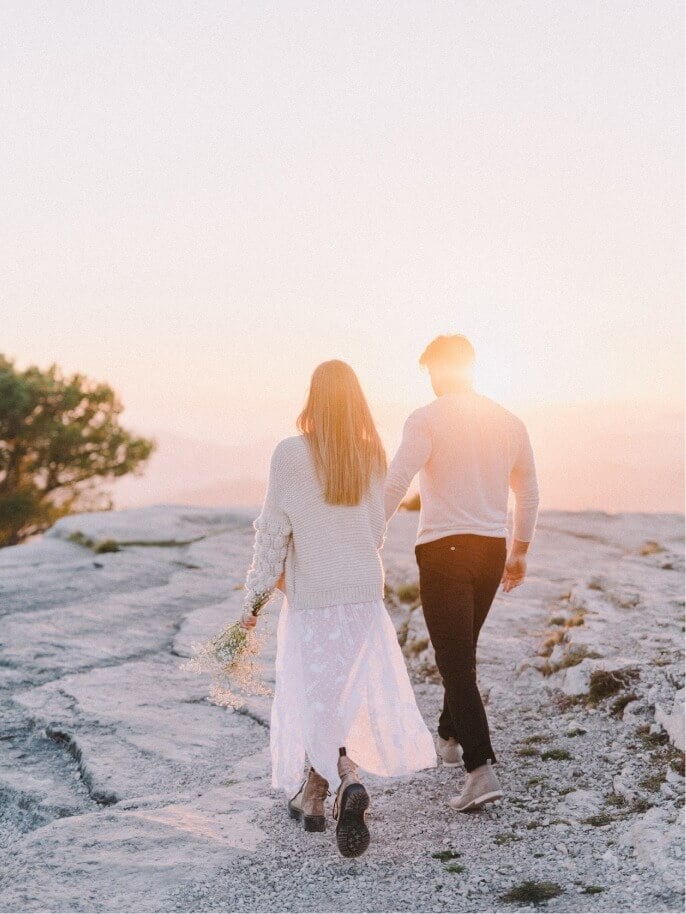
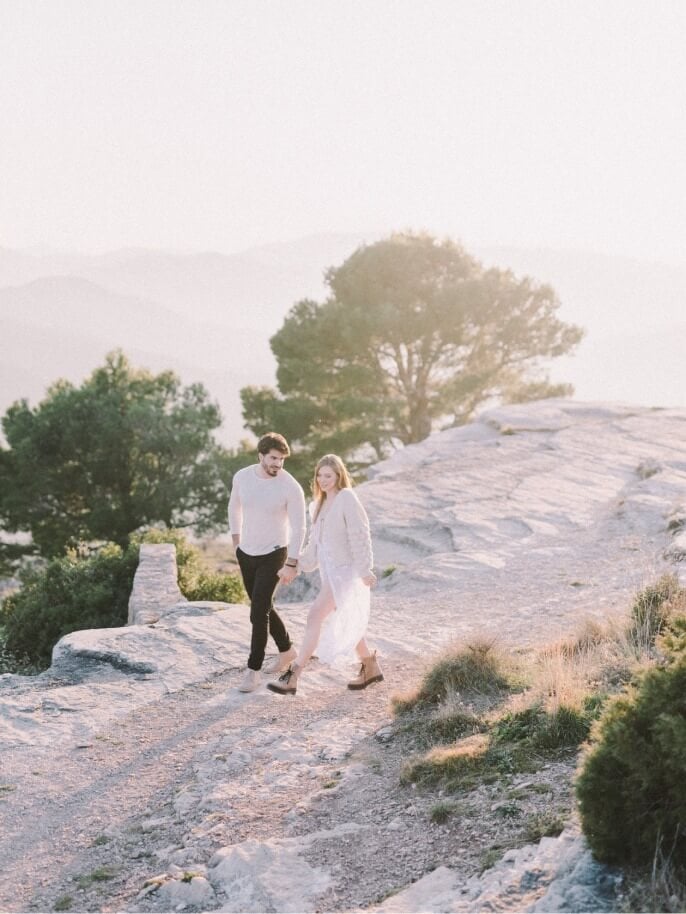
This is the ideal window to plan a pre-wedding photo session if you will be in Portugal before the celebration. It is not only an opportunity for beautiful images in a place you have chosen together. It also gives you time to become comfortable with your photographer’s direction before the wedding day. The result is often a quieter, more confident portrait experience when the day arrives.
Think carefully about ceremony timing. In summer, a late-afternoon ceremony is usually kinder to guests and far more flattering in photographs than midday sun. In spring or fall, you may have more flexibility, but sunset arrives earlier. Your photographer and planner should work backward from the light, dinner service, and venue curfew so the schedule feels generous rather than rushed.
6 to 3 months: Confirm the details that protect calm
Send invitations, finalize attire, arrange beauty trials, and begin collecting meal choices and travel details from guests. If you are using shuttles, identify pickup points that are easy to understand after a long flight. If your venue is remote, communicate clearly about taxi availability and late-night transportation.
Your planner should now be coordinating final production details with each vendor. This includes power needs for music, access times for deliveries, rental quantities, table layouts, weather contingencies, and the schedule for speeches or cultural traditions. Quiet preparation is what allows a day to feel effortless.
For photography, share the people and moments that matter most to you. Mention a grandparent who would cherish a quiet portrait, a family tradition during the ceremony, or friends who have crossed an ocean to be there. A brief, meaningful list is more useful than an exhaustive collection of posed requests. Your photographs should hold space for the planned moments and the unexpected ones: the deep breath before the aisle, the hand squeeze under the table, the laughter that begins before the toast is finished.
8 weeks to 2 weeks: Finalize, then make room to be present
Confirm your final guest count and vendor balances according to your contracts. Review the timeline with your planner, venue, and creative team. It should include practical points such as getting-ready locations, travel time, family photographs, ceremony start time, sunset portraits, dinner entrance, and the final departure.
Keep the schedule realistic. A ten-minute drive in a map app may become twenty minutes when guests are boarding shuttles, navigating a historic property, or stopping to greet one another. Build in small buffers. They are not empty time; they are the breathing room that keeps the day from feeling managed by the clock.
Pack important items in clearly labeled bags, including rings, vows, attire accessories, and any heirlooms you would like photographed. Give one trusted person responsibility for questions on the day. You should not be locating place cards or answering a delivery call while getting ready.
The wedding week: Let Portugal do what it does best
Arrive early enough to recover from travel, settle into the setting, and spend a little unstructured time together. Walk through the neighborhood near your hotel, have a slow dinner, and notice the details that brought you here in the first place. The celebration begins before the ceremony.
At the final venue walk-through, check only what needs checking: weather plans, ceremony positioning, transportation, and the flow between key moments. Then let your team carry the logistics. If the forecast changes or the schedule shifts, a capable local team will adapt with far more ease than a couple trying to solve it from the center of the celebration.
On the day itself, leave room for one private pause. Step outside after the ceremony, share a few minutes before dinner, or simply hold hands as you watch your guests arrive. Those small intervals often become the memories that stay closest. A well-made timeline does not make the day feel controlled. It gives you the freedom to be fully there for it.
Related Articles