Your wedding photographs will outlive the flowers, the menu, and even the small details you spent months perfecting. When you choose wedding photo style, you are not simply choosing an editing preset or a pose. You are deciding how the day will be remembered: full of movement and laughter, quietly cinematic, fashion-led and polished, or honest in the wonderfully imperfect moments between plans.
For a destination wedding in Portugal, that decision has another layer. The soft Atlantic light in Lisbon, the drama of the Douro Valley, a sun-warmed Algarve evening, or Porto’s textured historic streets all shape the visual language of your images. The best style is one that reflects who you are while allowing the place, the people, and the feeling of the day to remain beautifully present.
Start with the feeling you want to return to
Before saving more photographs to a mood board, think about the experience you want to relive years from now. Do you want to remember the anticipation before the ceremony, the tears in your parents’ eyes, and the irrepressible energy of your friends on the dance floor? Or do you picture a collection with a composed, editorial quality, where every frame feels considered and elegant?
Most couples do not fit neatly into one category. You may love refined portraits but still want the reception documented with spontaneity. You may be drawn to cinematic landscapes while wanting your connection, rather than the setting, to remain at the center. That is not indecision. It is a useful recognition that a wedding day has many emotional textures.
Try describing your ideal gallery with a few feeling words rather than photography terms: intimate, joyful, effortless, sophisticated, nostalgic, vibrant, calm. These words give your photographer a far clearer sense of what matters to you than saying you want images that are simply “natural” or “editorial.”
The main wedding photography styles, honestly considered
Style labels are useful starting points, but they can be misleading when treated as fixed categories. A thoughtful photographer often moves between approaches as the day requires. Still, understanding the distinctions will help you recognize what draws you in.
Documentary and candid photography
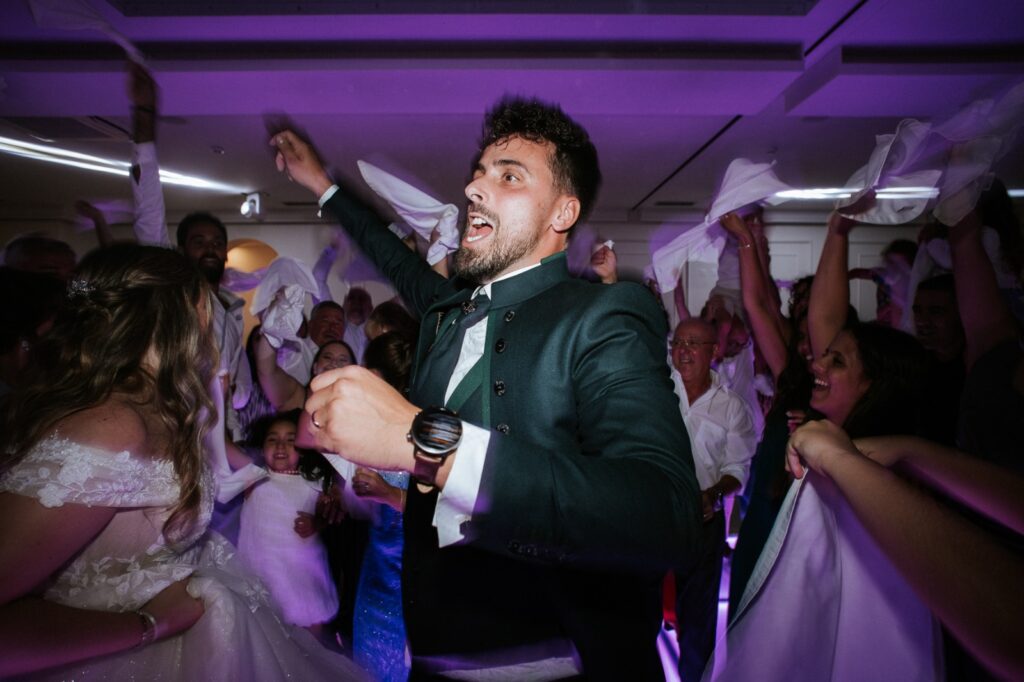
Documentary photography is centered on real moments as they unfold. It notices a hand squeeze during the vows, a flower girl watching from the aisle, the glance you share just before guests enter dinner. The photographer observes closely and directs lightly, allowing emotion and movement to lead.
This approach is ideal if you value presence and do not want to spend your wedding performing for the camera. The trade-off is that genuine moments are not always visually perfect. A meaningful embrace may happen in difficult light, or a joyful reaction may be partly obscured by a guest. Those imperfections are often part of what makes the image feel true.
Editorial and fine-art photography
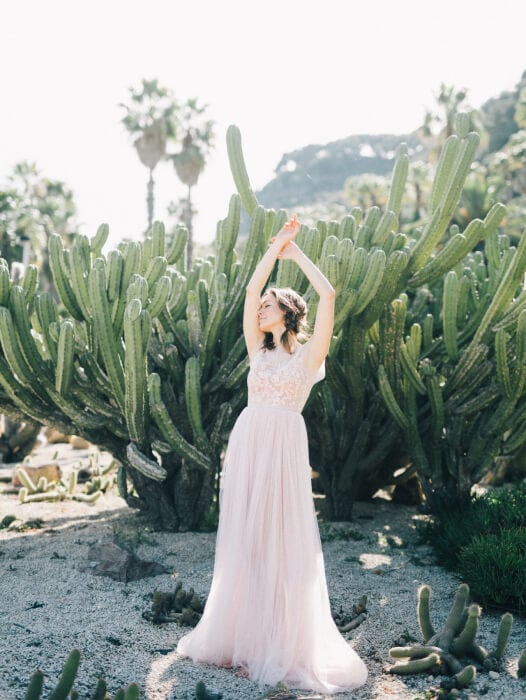
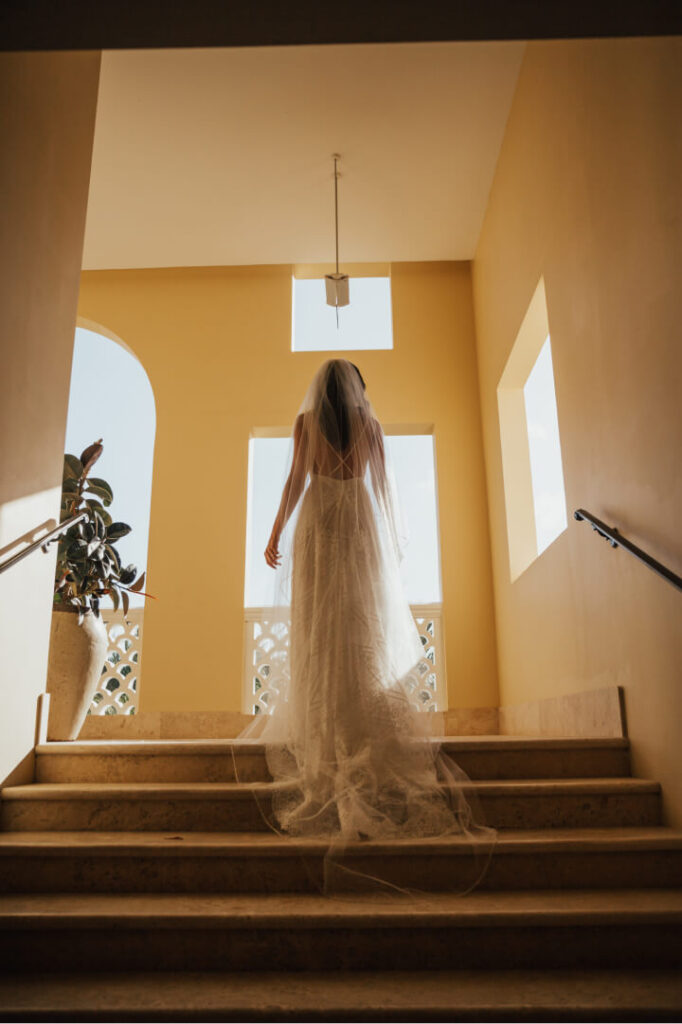
Editorial wedding photography takes inspiration from fashion, design, and magazine storytelling. Composition, wardrobe, architecture, florals, and light are given careful attention. Portraits may feel more sculpted, sophisticated, and intentionally styled.
This can be especially beautiful at a villa, palace, vineyard, or coastal venue with strong visual character. It does require some willingness to slow down and accept direction. A skilled photographer can make that direction feel relaxed, but editorial images rarely come from entirely hands-off coverage.
Timeless, natural photography
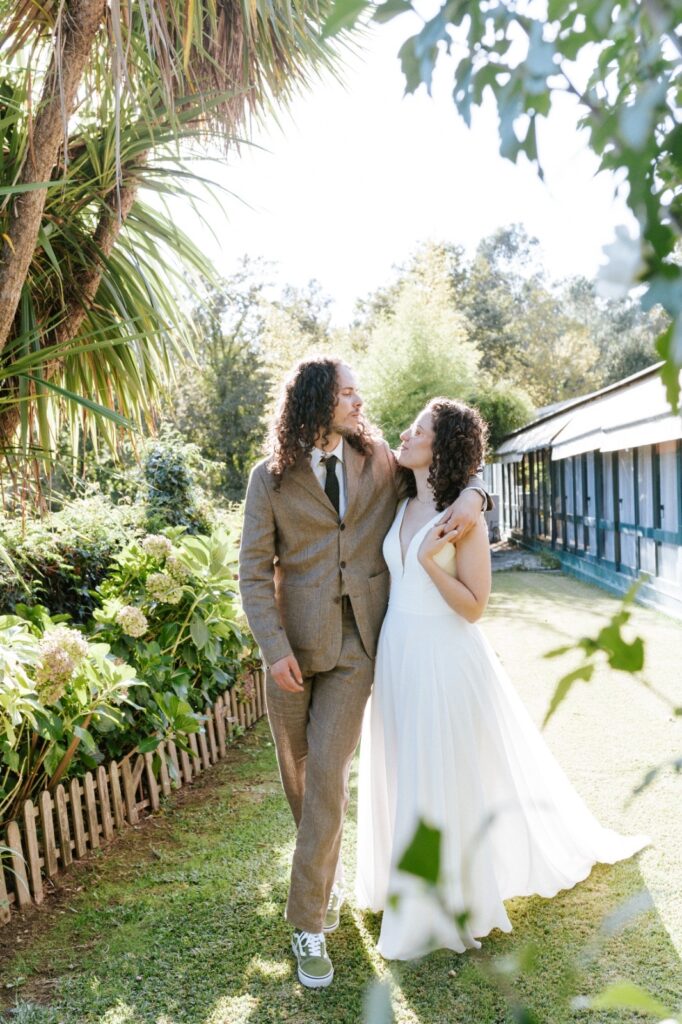
Timeless photography seeks images that will still feel beautiful and emotionally recognizable decades from now. Colors tend to remain believable, skin tones are handled with care, and editing supports rather than overwhelms the moment. The work may include candid storytelling, gentle portrait guidance, and thoughtful compositions without relying on short-lived visual trends.
For many destination couples, this balance feels right. Portugal’s landscapes are already expressive. Natural color, flattering light, and an unforced connection often create more lasting impact than heavy filters or dramatic effects.
Dark and moody or bright and airy editing
Editing strongly affects mood. Darker work can feel cinematic, intimate, and dramatic, with deeper shadows and muted tones. Bright and airy work often feels soft, romantic, and luminous, with a lighter palette and delicate contrast.
Neither is inherently more timeless. The question is whether the photographer handles a full wedding day consistently. Look beyond sunset portraits. Study getting-ready images, indoor ceremonies, family photographs, rain, strong midday sun, and dance floors. A style should hold its beauty in every condition, not only in the most flattering light.
How to choose wedding photo style from a real gallery
A photographer’s social feed is a curated first impression. A complete gallery is the better measure of their ability to tell a wedding story. Ask to see one or two full weddings that resemble yours in season, venue type, guest count, or light conditions.
As you look, pay attention to what happens between the highlights. Are there meaningful photographs of family and friends, not only portraits of the couple? Do the images flow naturally from preparation to ceremony to celebration? Can you feel the atmosphere of the day? Are group photos organized and flattering without appearing stiff?
Also notice how the photographer photographs people who are not professional models. You should be able to imagine yourselves in the images, not admire them from a distance. Beautiful work is not only about dramatic scenery or impeccable styling. It is about making real people look and feel like themselves.
Match the style to your wedding, not just your mood board
Your setting and timeline influence which approach will serve you best. An intimate elopement in the Douro Valley may invite slower, landscape-led portrait time. A full celebration in Lisbon with a large guest list needs space for unscripted interactions and the lively pace of the day. A summer Algarve wedding might call for portraits near sunset, when the light becomes gentler and the heat recedes.
Consider the practical details, too. If you want formal family portraits, set aside time for them. If you are drawn to editorial images, plan a calm window for portraits rather than hoping they will appear in five rushed minutes. If candid coverage matters most, protect time in your schedule to be with your guests.
A good photography style is not imposed on the wedding. It works with the rhythm you have created. This is why local knowledge matters for destination celebrations. Knowing when the light changes, how long a transfer really takes, and where a private portrait location can be found helps turn a visual preference into a relaxed experience.
Choose a photographer whose direction feels comfortable
Even the most documentary photographer will offer guidance at certain moments. Family groupings need organization. Portraits benefit from a little help with where to stand, how to use the light, and what to do with your hands when nerves arrive. The difference is in the feeling of that guidance.
Look for language that makes you feel understood. Some photographers create images through precise posing and detailed styling. Others give prompts that create movement and connection, then step back to let the moment breathe. Neither approach is wrong, but one will likely feel more natural to you.
During a consultation, be direct about your comfort level. Say whether you feel camera-shy, whether you love being photographed, or whether you are worried about looking posed. Share which images make you pause and explain why. An experienced photographer will translate your preferences into a plan, rather than expecting you to know the right terminology.
Let trends inspire you, but do not let them decide for you
A wedding photograph can be modern without being tied to a passing trend. Flash-heavy party images, motion blur, direct flash portraits, grain, desaturated color, and unusual crops can all be expressive choices. They may also become the visual signature of a particular moment in time.
If you truly love a trend, include it. Your photographs should feel personal, not overly cautious. The wisest approach is often to use trend-led images as an accent within a gallery grounded in honest storytelling, flattering portraits, and considered color. That way, the photographs carry the energy of your celebration without sacrificing the moments you will want to see clearly forever.
A simple way to communicate your vision
Bring a small, edited collection of inspiration to your photographer, ideally 15 to 25 images. More is not always better. Include photographs for their feeling, light, composition, setting, and energy, then identify what you love about each one.
Be equally clear about what you do not want. Perhaps you dislike overly orange skin tones, rigid posing, heavily muted greens, or photographs that feel too dark to see the details. This gives your photographer meaningful boundaries while leaving room for their artistry and for the reality of your own day.
Then trust the person you chose. The most moving photographs rarely happen when every moment is controlled. They happen when you can be fully present with each other, knowing that someone attentive is preserving the story as it naturally unfolds.
Related Articles


One comment on “How to Choose Wedding Photo Style That Feels Like You”
[…] or substantially altering the final edit. Your photographer’s editing is part of the visual story you chose them for. If an image needs a different crop for a frame or social format, a quick […]