The camera arrives just as your wedding day begins to move faster than expected. You may have searched “how to pose naturally wedding” because you love heartfelt photographs, yet worry that you will not know what to do with your hands, your smile, or the sudden awareness of being watched. The reassuring truth is that natural wedding photographs are rarely about knowing poses. They are about feeling safe enough to be present with the person you chose.
A thoughtful photographer will guide you when guidance helps, then leave enough room for the small, unscripted moments that make an image feel like yours. A hand reaching for your partner’s, a private laugh after the ceremony, the way you lean closer without realizing it – those are not accidents. They are the foundation of timeless wedding storytelling.
How to Pose Naturally for Wedding Photos
Natural posing is less about holding a perfect position and more about creating movement, connection, and ease. A still photograph can look beautifully composed while the moment that created it felt completely alive.
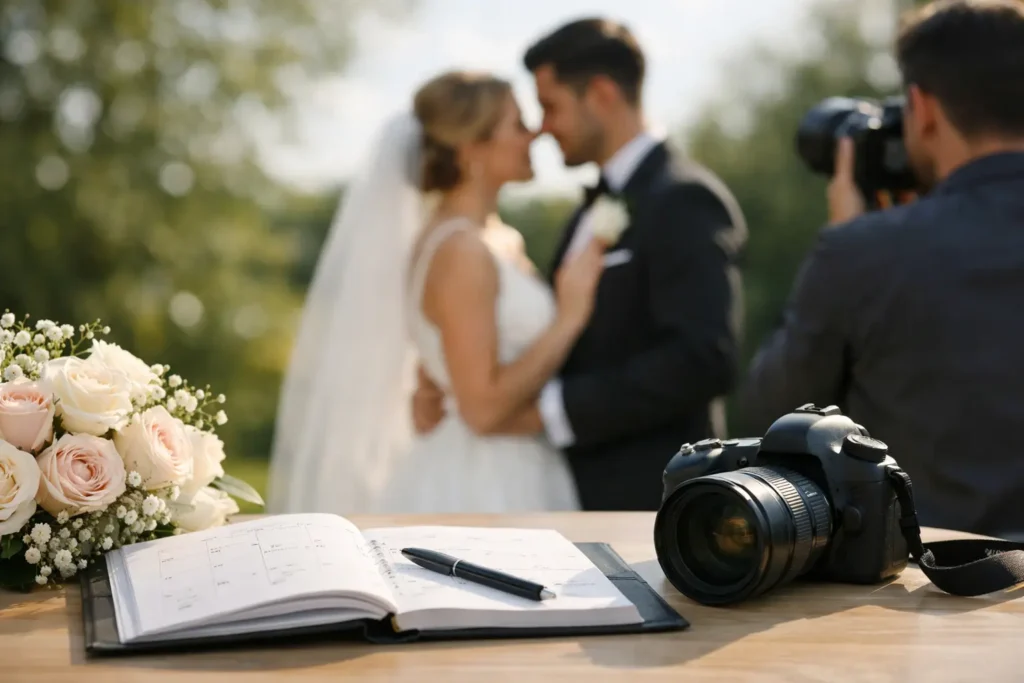
Instead of asking you to stand rigidly and smile at the lens, your photographer may ask you to walk slowly together, turn toward one another, or pause for a quiet embrace. These simple prompts give your body something genuine to do. They also move your attention away from the camera and back to your partner.
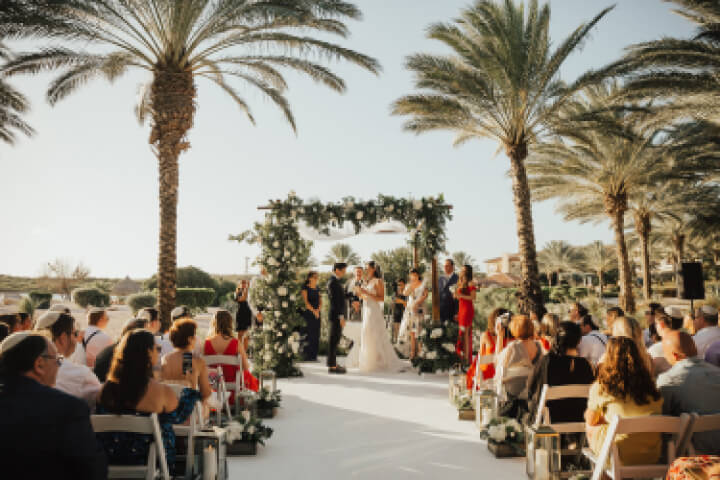
This is especially valuable at a destination wedding, when the setting may be unfamiliar and the day carries the happy pressure of travel, guests, and a carefully planned celebration. Whether you are exchanging vows on the Algarve coast, walking through Lisbon’s older streets, or stepping into the soft vineyard light of the Douro Valley, you do not need to perform for the landscape. Let the setting support the feeling already between you.
Start with connection, not the camera
When portrait time begins, look at your partner before you look at the photographer. Notice something specific: how they look in their wedding clothes, the relief after the ceremony, a detail from the day that made you laugh. Speak quietly if it helps. A simple “we did it” can create more honest expression than any instruction to smile.
Physical closeness also reads beautifully in photographs. Stand close enough that your shoulders or hips lightly touch. Hold hands with a little softness rather than gripping tightly. Place a hand on your partner’s chest, arm, waist, or cheek only if it feels like a gesture you would naturally make. The goal is not to copy a pose from a wedding magazine. It is to make your affection visible.
If eye contact feels intense for too long, do not force it. Look at your partner’s shoulder, their hands, the flowers, or the view beyond them. A photograph does not need both people looking at each other or the camera to feel romantic. In fact, variety gives your final gallery a more natural rhythm.
Give your hands a gentle purpose
Hands are usually the first thing couples worry about, and the simplest solution is to let them interact. Hold your bouquet naturally, adjust a cuff, touch the edge of a veil, straighten a lapel, or trace your partner’s fingers. These small actions prevent the stiff, hanging-arm feeling without making the image look overly arranged.
Try not to flatten your hands directly against your body or clench them into fists. Keep your fingers relaxed, as though you are about to reach for something delicate. If your photographer adjusts the angle of your hand, it is not a criticism. Small refinements can make a large difference in a photograph while still preserving a moment that feels effortless.
For couples who are not naturally affectionate in public, hand placement can be quieter. Stand side by side with linked fingers. Let one hand rest in a jacket pocket while the other holds your partner’s. Share a small glance. Intimacy does not have to look dramatic to be deeply felt.
Let movement do the work
Movement is one of the most reliable ways to soften camera nerves. Walking gives you a shared focus, creates natural changes in posture, and brings life into clothing, hair, and fabric. Walk more slowly than you normally would, close enough to stay connected, and allow yourselves to talk or laugh along the way.
Your photographer may ask you to walk toward the light, walk away from it, then return to a particular spot. It can feel repetitive in the moment, but each pass creates a different expression, a new line in the dress, or an unexpected glance. Trust the process rather than trying to make every second look photogenic.
A few gentle actions also work wonderfully during quieter portraits: swaying together, resting your foreheads together, taking one deep breath, or sharing a hug that lasts longer than usual. The key is to move slowly. Quick movements can look rushed, while slow ones give the photographer time to notice the in-between expressions.
There is a balance, of course. Constant movement may not suit every image, particularly when a dramatic ceremony backdrop or an elegant architectural setting deserves a more composed frame. In those moments, a photographer may offer clearer direction for your posture and placement. A posed image can still feel natural when the emotion inside it is real.
Use posture to feel confident, not formal
Good posture in wedding photographs is not about standing at attention. Think of length and ease: shoulders down, chest open, neck relaxed, weight settled into one leg rather than divided equally between both. This creates a graceful line without making you feel as though you are taking a dance examination.
If you are standing together, avoid facing the camera squarely for every frame. Turning slightly toward each other is usually more flattering and immediately feels more connected. Keep a small amount of space between your arms and torso, then let your hands find a natural purpose.
For seated photographs, sit near the edge of the chair or step instead of sinking back. Angle your knees gently, lean toward one another, and let the fabric of your outfit fall naturally before settling. You do not have to hold this position for long. The best images often happen in the few seconds after you have adjusted and relaxed again.
Prepare before the wedding day
The most effective way to feel comfortable is to remove uncertainty before the camera comes out. An engagement session can be especially helpful, not because you need to practice a set of poses, but because it lets you experience the photographer’s approach. By your wedding day, the sound of the shutter and the gentle direction will feel familiar rather than intrusive.
Choose clothing and shoes that allow you to move. A spectacular outfit that restricts breathing, walking, or sitting can make relaxation harder. If your wedding attire includes a long train, veil, cape, or structured jacket, allow a few minutes for the photographer to understand how it moves and how you feel in it. Those details are part of the visual story, but your comfort remains more important than perfection.
Build breathing room into the timeline as well. Portraits feel more intimate when they are not squeezed between a delayed ceremony and an impatient reception entrance. Even 20 calm minutes after the ceremony can give you space to absorb what has happened, reconnect privately, and create images that carry the emotion of the day.
Trust direction, then forget it
A good photographer pays attention to light, background, posture, and timing so you can pay attention to each other. Listen to simple direction, especially when it concerns where to stand or how to turn toward the light. Then let go of the urge to check whether you are doing it correctly.
You do not need to smile continuously. You do not need to look sensual, playful, or emotional on command. Some couples laugh easily; others are quiet and tender. Some want windswept coastal portraits; others prefer the calm elegance of a garden or historic venue. The most beautiful approach depends on who you are together.
At Wedding Photographer Portugal, the intention is never to turn your wedding into a photoshoot. It is to create enough calm, thoughtful direction that your photographs can hold the real atmosphere of the day – the anticipation, the joy, and the quiet certainty of choosing one another.
When you feel the camera nearby, return to one small thing: your partner is there. Hold their hand, take a breath, and let the day unfold. That is where natural photographs begin.