A wedding day moves quickly: your father seeing you ready for the first time, friends laughing during cocktail hour, a quiet hand squeeze before the ceremony. When couples consider documentary versus traditional wedding photography, the real question is not which style is better. It is which approach will let your memories feel most like you.
For a destination wedding in Portugal, that choice also shapes the rhythm of your day. It affects how much direction you receive, how long you spend away from guests, and whether your photographs center spontaneous moments, polished portraits, or a thoughtful balance of both.
What Is Documentary Wedding Photography?
Documentary wedding photography is rooted in observation. Rather than arranging every moment, the photographer watches closely for real gestures, changing expressions, small interactions, and the atmosphere unfolding around them.
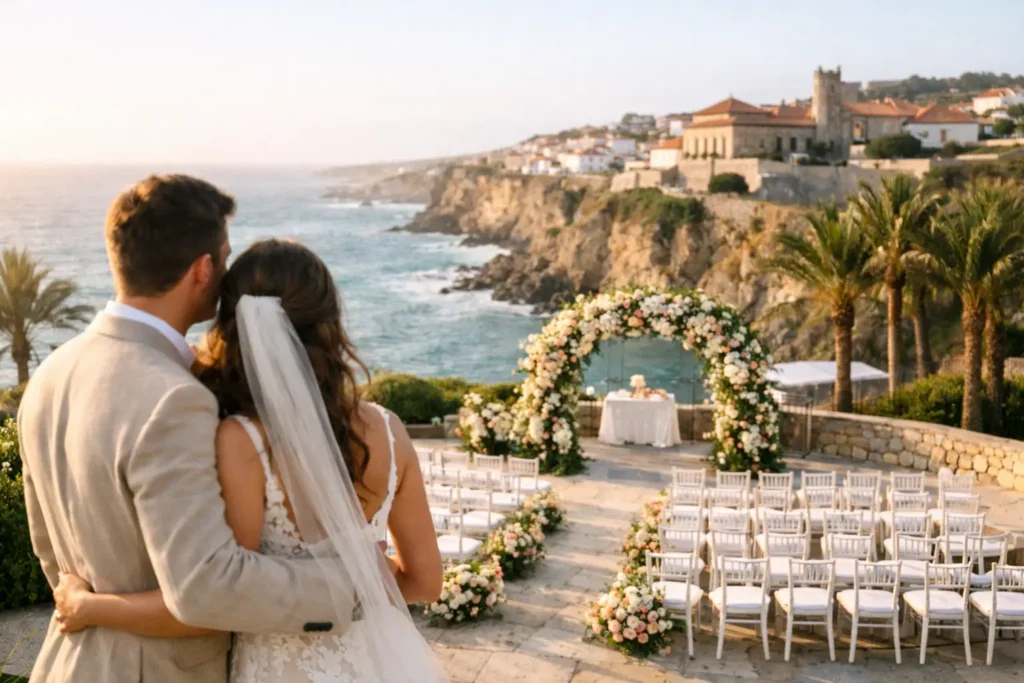
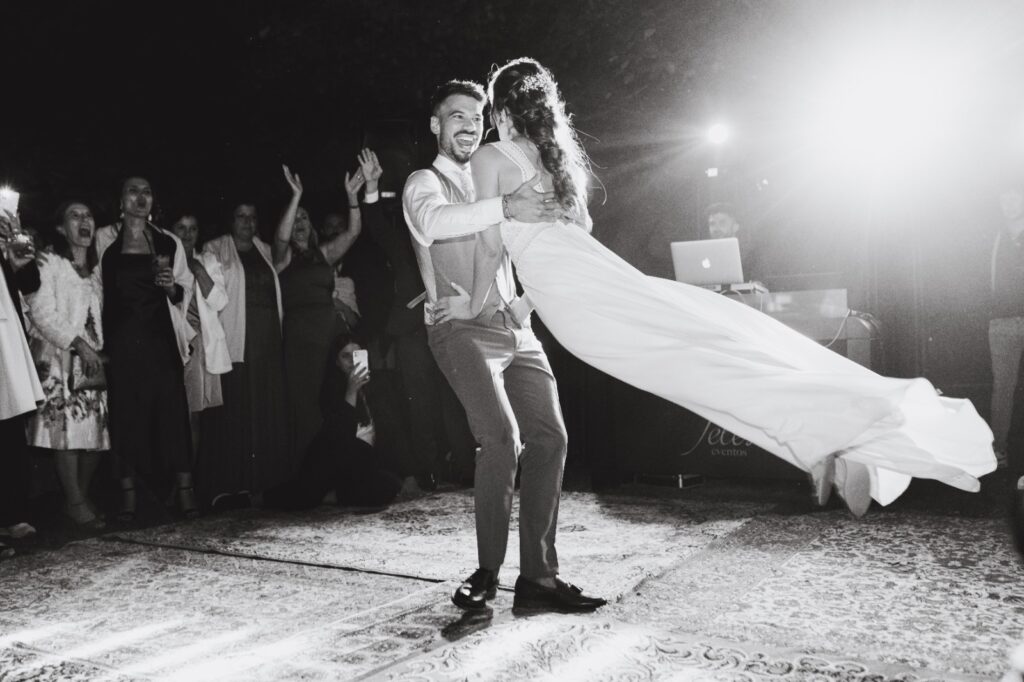
The images often feel immediate because the emotion was not recreated for the camera. A grandmother reaches for your hand during the ceremony. Your friends cheer when the music begins. Wind catches your veil along the Algarve coast, and you laugh because there was no other choice. These are the moments a documentary approach is designed to preserve.
This does not mean the photographer is passive or distant. Meaningful documentary work requires anticipation, sensitivity, and strong technical control. A photographer must read the room, understand where the light will fall, move discreetly, and recognize a fleeting moment before it disappears.
For couples who feel uneasy about being photographed, this can be especially reassuring. Much of the day is lived rather than performed. You are free to be present with the people who traveled to celebrate with you, while your photographer creates a visual record of what the day truly felt like.
The strength of an unscripted story
Documentary imagery gives space to the beautifully imperfect details that make a wedding personal. It includes tears that arrive unexpectedly, children falling asleep during dinner, and the way your guests experience the celebration alongside you.
It can also be deeply suited to destination weddings. Portugal offers dramatic settings, from the intimate streets of Lisbon to the vineyard terraces of the Douro Valley, but the setting should never overpower the story. Documentary photography allows a place to become part of the memory naturally: a passing tram, late-afternoon light on old stone, family gathered around a long table beneath the vines.
The trade-off is that candid moments cannot be guaranteed on command. If you want every family grouping to look precisely arranged, or you have a very specific pose in mind for every part of the day, a purely documentary approach may feel too loose.
What Is Traditional Wedding Photography?
Traditional wedding photography is more directed and intentional. It typically includes formal family portraits, carefully posed couple photographs, and classic compositions where everyone knows when to look at the camera.
This style has endured for good reason. A well-organized portrait of your parents, siblings, and closest friends is often one of the images that gains meaning over time. Traditional photography brings order to a busy day and makes sure important people and essential moments are documented clearly.
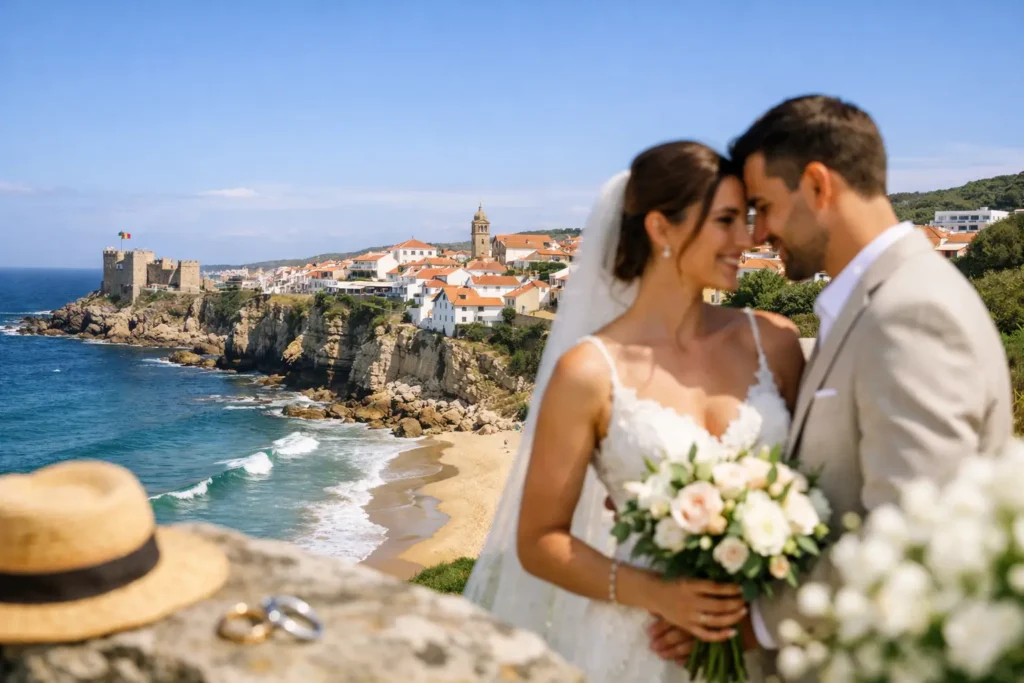
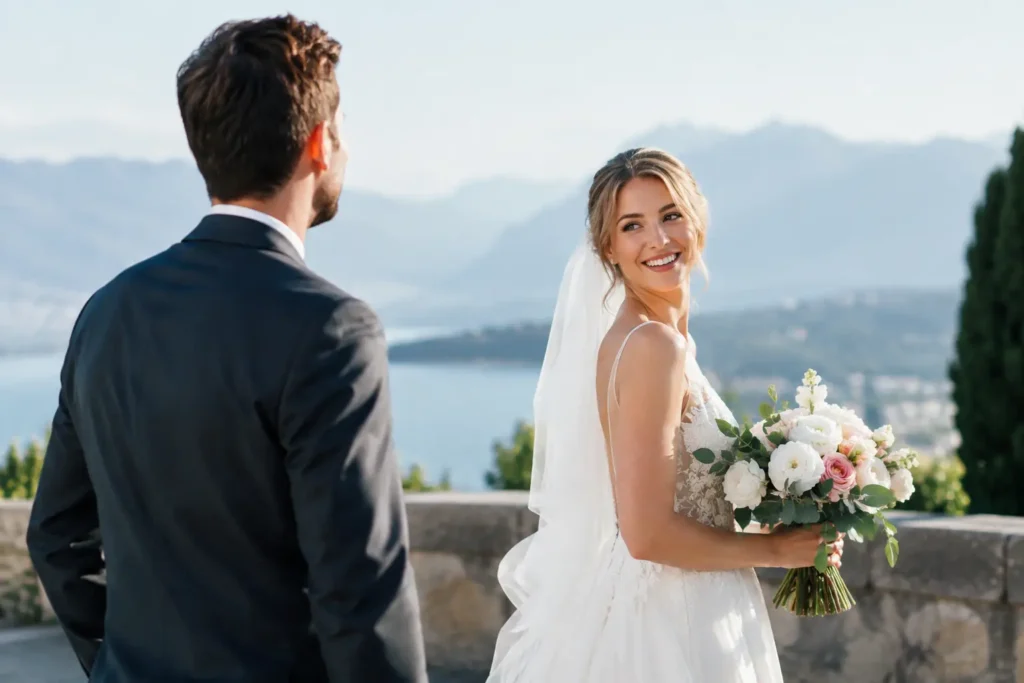
Direction can also be valuable when you are in a remarkable location. A photographer may guide you toward the most flattering light, refine your posture, or help you create a composed portrait that does justice to a historic Portuguese venue or coastal landscape. This does not need to feel stiff. Gentle direction can create elegant photographs while still leaving room for warmth and connection.
The value of clear structure
Traditional photography is particularly useful for couples with large families, complex group dynamics, or relatives who place great value on formal portraits. It offers a plan. You can create a family-photo list in advance, allocate a realistic amount of time, and know that those meaningful combinations will not be missed.
The limitation is time and energy. A long list of formal portraits can pull you away from your guests, especially if it is not planned carefully. Highly posed photography can also feel less natural for couples who prefer movement, conversation, and images that are not centered on the camera.
The answer is rarely to skip structure entirely. It is to give it a clear place in the timeline, then protect the rest of the day for real experience.
Documentary Versus Traditional Wedding Photography: Key Differences
The most noticeable difference is the photographer’s role. A documentary photographer primarily observes and responds. A traditional photographer more actively directs and arranges. Both approaches require artistry, preparation, and an eye for flattering light, but they produce a different feeling in the final gallery.
Documentary photographs often prioritize emotional truth over perfection. Someone may be looking away. Your dress may move in the wind. A moment may be slightly chaotic, yet completely alive. Traditional photographs prioritize clarity, balance, and a timeless sense of occasion. Everyone is positioned with care, and the image is intentionally made rather than discovered.
Neither style is inherently more authentic. Authenticity can exist in a candid tear during your vows and in a gently guided portrait where you have a quiet moment together after the ceremony. The deciding factor is whether the direction supports your connection or distracts from it.
Why a Blended Approach Often Feels Right
Most couples do not want to choose between natural emotion and beautiful portraits. They want both. A refined wedding story can be largely documentary in spirit, with thoughtful guidance where it matters most.
That may mean candid coverage during getting ready, the ceremony, cocktail hour, dinner, and dancing. It may also mean setting aside a short, unhurried portrait session where your photographer offers simple prompts instead of rigid poses. You might walk together, take a breath, look at one another, or simply enjoy a few minutes away from the celebration.
For family photographs, a traditional approach is often the kindest and most efficient choice. With a prepared list and a calm photographer who can guide the group, these portraits can be completed quickly. Your family receives the image they will treasure, and you return to your celebration without the session taking over the day.
At Wedding Photographer Portugal, this balance is shaped around the couple rather than a fixed formula. The goal is to create photographs with an editorial sense of beauty while protecting the genuine, unrepeatable moments at the heart of the day.
How to Choose the Right Style for You
Begin by looking beyond a photographer’s most dramatic portfolio images. Pay attention to full wedding stories. Do the couples appear relaxed? Are parents, friends, and small emotional interactions photographed with the same care as the couple portraits? Can you imagine yourself inside those images?
Then consider how you want to spend your wedding day. If your priority is being fully immersed with guests and letting moments unfold, documentary-led coverage may be the best fit. If you love polished portraits, want more guidance, and value formal images with every important family member, a more traditional structure will serve you well.
It also helps to be honest about your comfort level. Many couples say they are awkward in front of the camera when what they really mean is that they do not want to be left without direction. The right photographer can offer calm, minimal guidance without turning your wedding into a photo shoot.
Your timeline matters too. A sunset portrait session in the Algarve may deserve twenty quiet minutes. A winter wedding in Porto, where daylight fades earlier, may call for portraits before the ceremony. Your photographer should help you make these choices according to the season, venue, light, and experience you want for your guests.
Questions Worth Asking Your Photographer
Before booking, ask how the photographer approaches family portraits, whether they provide direction during couple photographs, and how they work during emotionally significant moments. Ask to see a complete gallery from a wedding similar in size, setting, or timing to your own.
You can also share what you do not want. Perhaps you dislike overly posed images, do not want to miss cocktail hour, or feel strongly about a portrait with your grandparents. Clear preferences give your photographer the context to build a day that feels effortless to you.
The best wedding photographs are not created by choosing candid over posed as a rule. They come from making room for the moments you want to live, then trusting an experienced eye to recognize what is worth remembering. When you feel comfortable, connected, and free to enjoy the people around you, the photographs will carry far more than how the day looked. They will bring you back to how it felt.
Related Articles