The most beautiful wedding photographs rarely come from a tightly packed minute-by-minute plan. They happen in the pause after a deep breath, in the laughter between family members, and in the quiet moment when you finally see each other. To schedule wedding photos well, you need more than a list of group portraits. You need a rhythm that lets the day feel like your wedding, not a production.
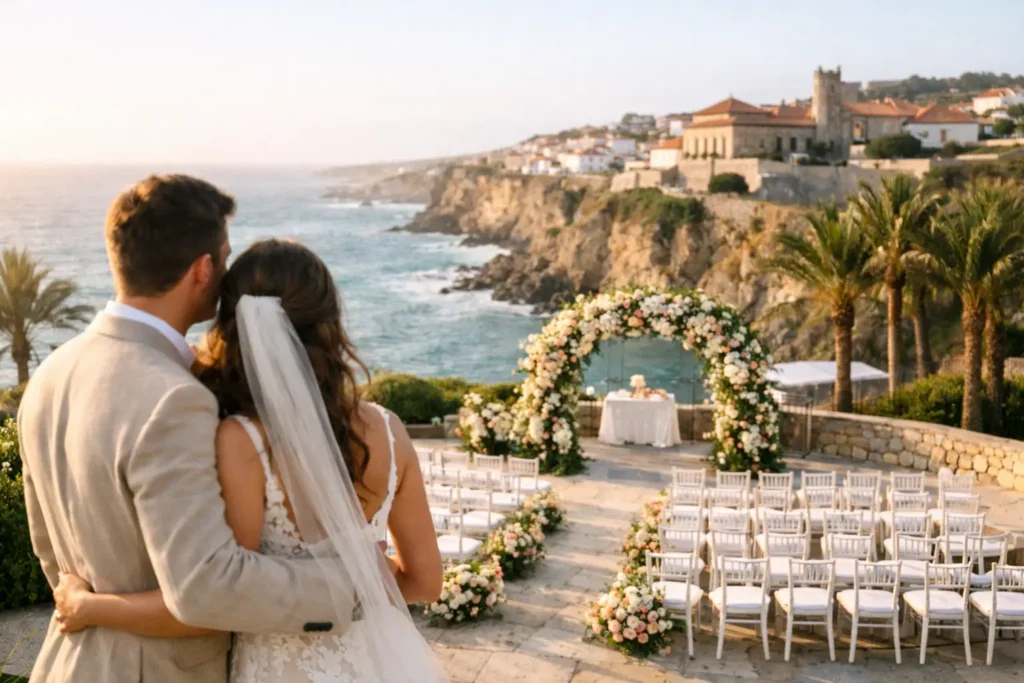
For couples planning a destination celebration in Portugal, timing matters even more. A historic Lisbon hotel, a Douro Valley estate, or a cliffside Algarve ceremony can offer extraordinary light and scenery, but travel distances, seasonal heat, and the pace of a full wedding weekend all deserve thoughtful consideration. A relaxed timeline creates room for natural images and allows you to be present for the people who traveled so far to celebrate with you.
Start With Light, Then Build Your Wedding Day
Photography timing should begin with the ceremony time and the available natural light, not with the number of formal photos on a checklist. In Portugal, summer light can remain bright well into the evening, while spring and fall sunsets arrive earlier and often bring a softer, more forgiving glow. Your photographer can help you understand what the light will do at your venue on your wedding date.
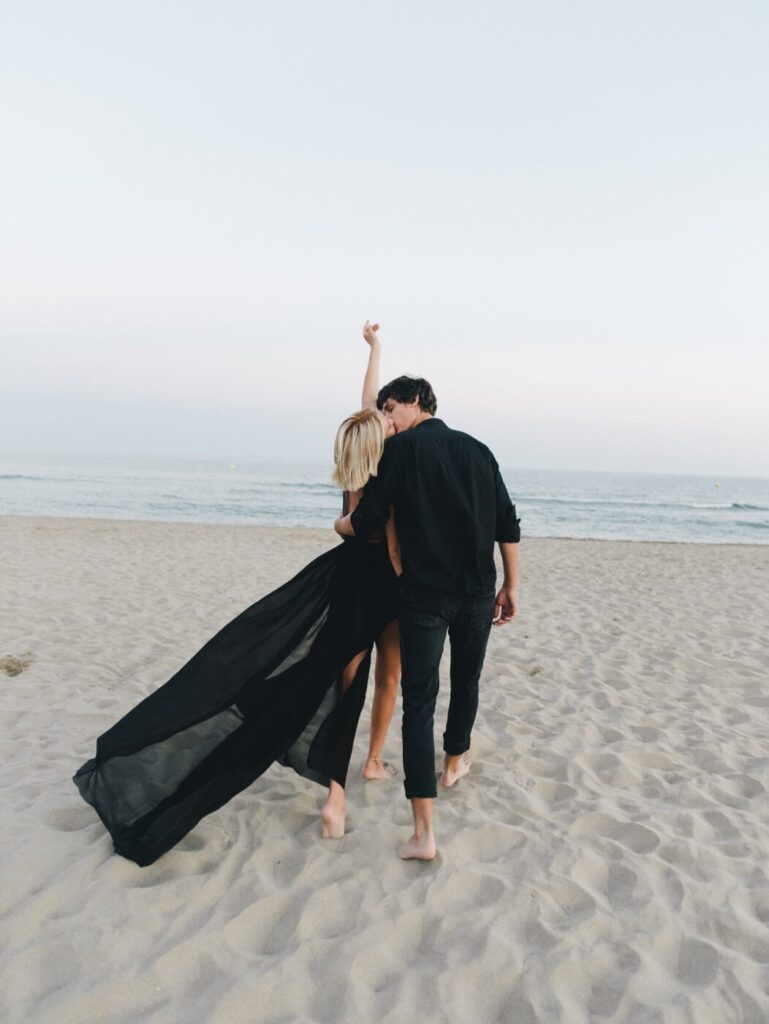
If you are dreaming of romantic portraits at sunset, protect that time before filling the schedule with other events. A short portrait session during the last hour of daylight can create a completely different feeling from photographs taken at midday. The light is gentler, the pace is calmer, and you have usually had enough time to settle into the joy of being married.
That does not mean every couple needs a sunset session. If sunset falls during dinner, or you would rather remain at the table for every speech, plan portraits earlier and choose locations with open shade, elegant interiors, or beautiful architecture. The best schedule is always the one that reflects your priorities.
Schedule Wedding Photos Around Real Moments
A thoughtful photography timeline is not about keeping a camera in front of you all day. It is about allowing enough space to document what is already meaningful: your friends helping with final details, a parent seeing you ready, the anticipation before the ceremony, and the celebration that follows.
Most full wedding days benefit from coverage beginning during preparations. Allow approximately 60 to 90 minutes for each partner’s getting-ready photographs, depending on travel between locations, the size of the wedding party, and how many details you would like documented. If you are getting ready in the same venue, the flow is usually easy. If one person is across town, factor in travel time generously rather than hoping traffic will cooperate.
Details such as rings, stationery, flowers, shoes, and attire photograph best when they are gathered in one place before the photographer arrives. This small preparation protects time during a part of the day that can become unexpectedly busy.
Build in a First Look, If It Feels Right
A first look is not required, and there is something deeply moving about seeing each other for the first time at the ceremony. Still, for many destination couples, a private first look offers a calmer alternative. It gives you a few uninterrupted minutes together and allows couple portraits, wedding party photographs, and some family groupings to happen before guests arrive.
The trade-off is simple: a first look changes the traditional sequence of the day, but it can give you more time at cocktail hour. Couples who value an unhurried celebration often find that worthwhile. Couples who feel strongly about the ceremony reveal should honor that feeling and plan their portraits afterward with care.
Give Family Portraits Clear Structure
Family photographs do not need to feel formal or lengthy, but they do need organization. Plan 20 to 30 minutes after the ceremony for immediate family groupings, or complete some of them before the ceremony if you choose a first look. For larger families, cultural traditions, or multiple divorced-parent combinations, allow longer.
Create a concise list in advance and designate one person who knows everyone to help gather relatives. This prevents the newlyweds from spending cocktail hour searching for an uncle who has wandered toward the bar. Keep the list focused on the relationships that matter most. Your gallery should hold meaningful family history, not dozens of nearly identical group arrangements.
A Sample Timeline for Natural Wedding Photography
Every celebration has its own pace, but this example shows how a six-hour photography window might feel for a ceremony beginning at 4:30 p.m. Adjust it according to the season, venue layout, and whether you plan a first look.
At 1:30 p.m., photography begins with final getting-ready moments and details. At 3:00 p.m., a first look and couple portraits can take place, followed by wedding party and immediate family photographs. Guests arrive around 4:00 p.m., with the ceremony at 4:30 p.m. Afterward, allow a brief window for any remaining family portraits before joining cocktail hour.
Around sunset, step away for 15 to 20 minutes together. This is often one of the most peaceful parts of the day: the formalities are complete, your guests are enjoying themselves, and you can simply walk, talk, and take in the fact that you are married. Then return for your entrance, dinner, speeches, first dance, and a lively dance floor documented without pulling you away from the celebration.
If you are not having a first look, shift couple portraits and wedding party photographs to the period after the ceremony. In that case, consider extending cocktail hour slightly or ensuring your venue has a nearby portrait location. You should never have to spend an hour in a car while your guests wait.
Leave More Time Than You Think You Need
The most common timeline mistake is treating every transition as if it takes no time. Dresses need fastening, bouquets arrive late, elevators are slow, and a heartfelt conversation with a grandparent may matter more than staying precisely on schedule. A timeline with no breathing room turns ordinary delays into stress.
Add a 10- to 15-minute cushion before the ceremony, before portraits, and before reception entrances. If nothing runs late, that time becomes a gift. You can drink water, touch up makeup, greet guests, or simply be together. These pauses also give your photographer the freedom to notice the unscripted moments that make a gallery feel personal.
This is particularly valuable for weddings in locations with dramatic views. In the Douro Valley, for example, a portrait location may be only a short walk away but still require careful footwear and a little time to move safely. Along the Algarve coast, wind and strong afternoon sun may influence where portraits are most comfortable. Local knowledge helps, but a flexible schedule makes that expertise useful.
Keep the Portrait Experience Comfortable
Natural-looking photographs are not created by leaving couples without direction. They come from gentle guidance, a comfortable pace, and enough time for you to forget about the camera. Rather than planning an exhausting 90-minute portrait session, many couples prefer two shorter sessions: one earlier in the day and one near sunset.
Wear shoes you can walk in, or bring a second pair for moving between locations. Have water nearby, especially for warm-weather weddings. If your outfit has a long train or a delicate veil, choose a portrait route that feels beautiful without becoming difficult. These practical choices protect your energy and help you look as relaxed as you feel.
You can also tell your photographer if there are particular people, traditions, or emotional details you hope are captured. A wedding photography schedule should provide structure, but it should never become a rigid script. The goal is to make room for the story already unfolding around you.
Let Your Reception Stay Yours
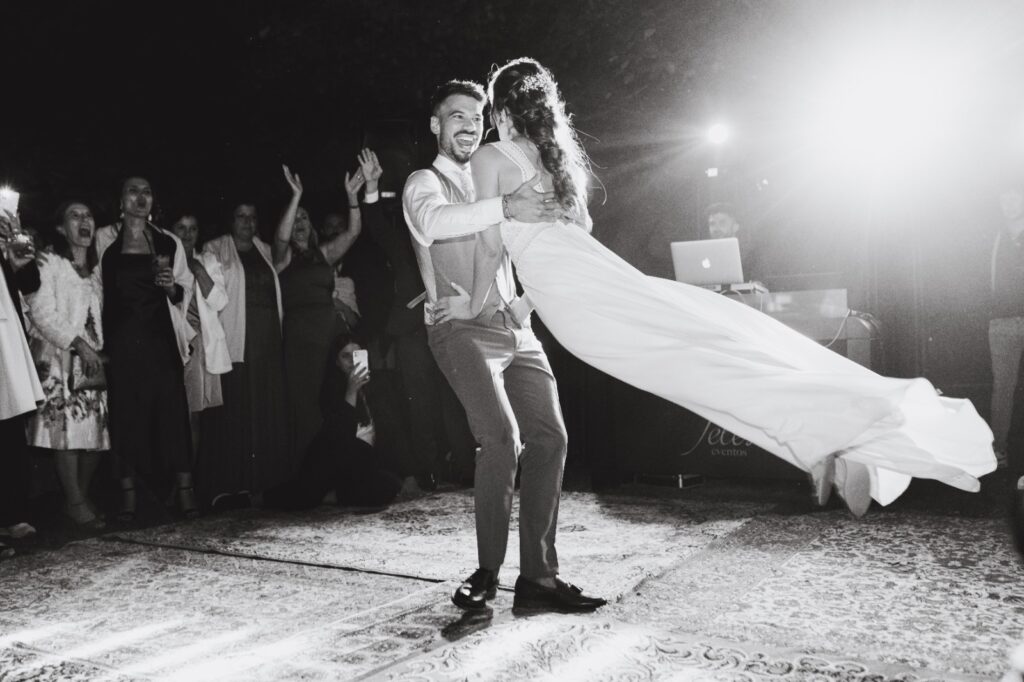
Once dinner begins, most couples want to be with their guests. Plan speeches, dances, and cultural traditions with enough notice that they can be photographed beautifully, but resist filling every moment with an activity. The energy of a reception lives in the spaces between the planned events: a shared glance across the table, friends laughing during dinner, grandparents dancing, and the first few guests who bravely begin the party.
If you would like nighttime portraits, they can take as little as 10 minutes. They are a lovely option for couples drawn to editorial, atmospheric images, especially at venues with candlelight, architectural details, or a view of the city. But they should feel like a choice, not another obligation.
A well-planned photography schedule is ultimately an act of care for yourselves. Leave room for light, for movement, for the people you love, and for the unexpected moments you will remember most clearly. When the timeline gives you permission to slow down, your photographs can hold not only how the day looked, but how it truly felt.