Wedding

Proposal Photo Story: What Makes It Feel True

A hand reaches into a pocket. A familiar walk slows down. Then comes the moment neither of you will experience in quite the same way again. A proposal photo story is not simply proof that a question was asked. It is a visual record of anticipation, surprise, relief, laughter, and the quiet minutes afterward when the world feels suddenly different.

For couples planning an engagement in Portugal, the most meaningful photographs rarely come from a perfectly choreographed scene. They come from allowing the proposal to remain personal while giving the moment enough thoughtful structure to be photographed beautifully.

What a Proposal Photo Story Should Hold

A single image of the ring is lovely. A complete story gives that image a heartbeat.

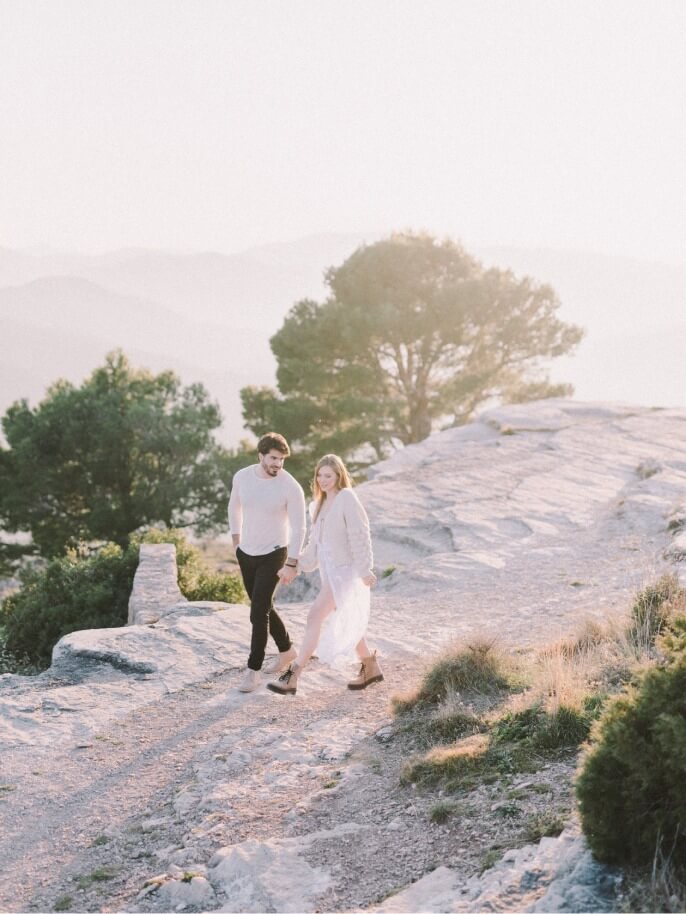
The beginning matters: the setting before the proposal, the way you arrive together, and the small details that place the memory in time. It may be early light over the Douro Valley, an unhurried walk through a Lisbon viewpoint, or the sea just beyond an Algarve path. These photographs create context, but they should never compete with the two people at the center of the moment.

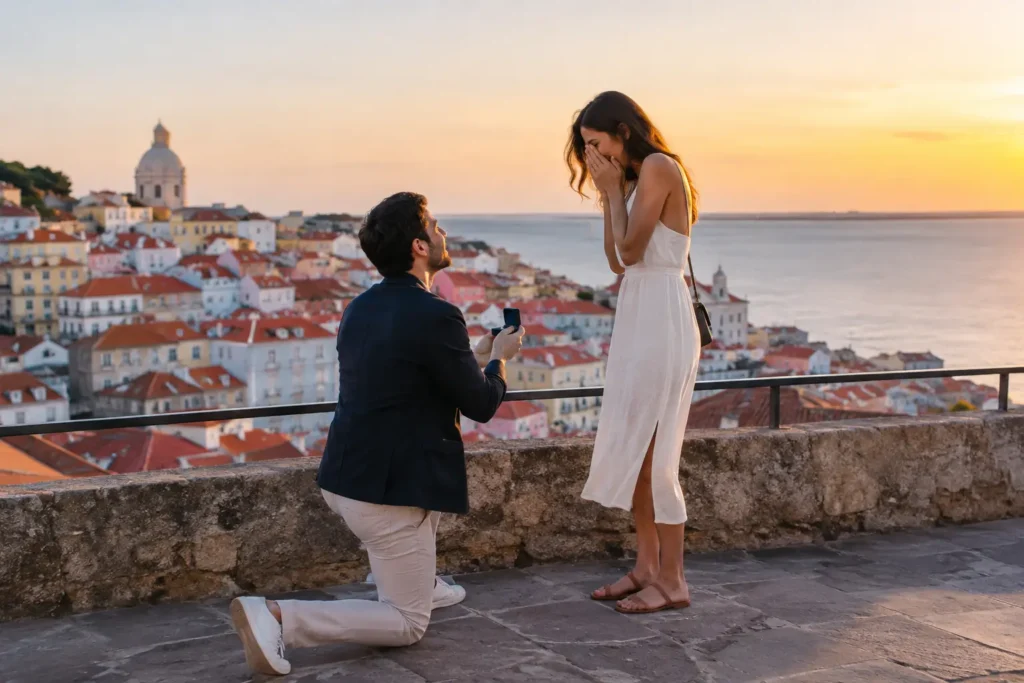
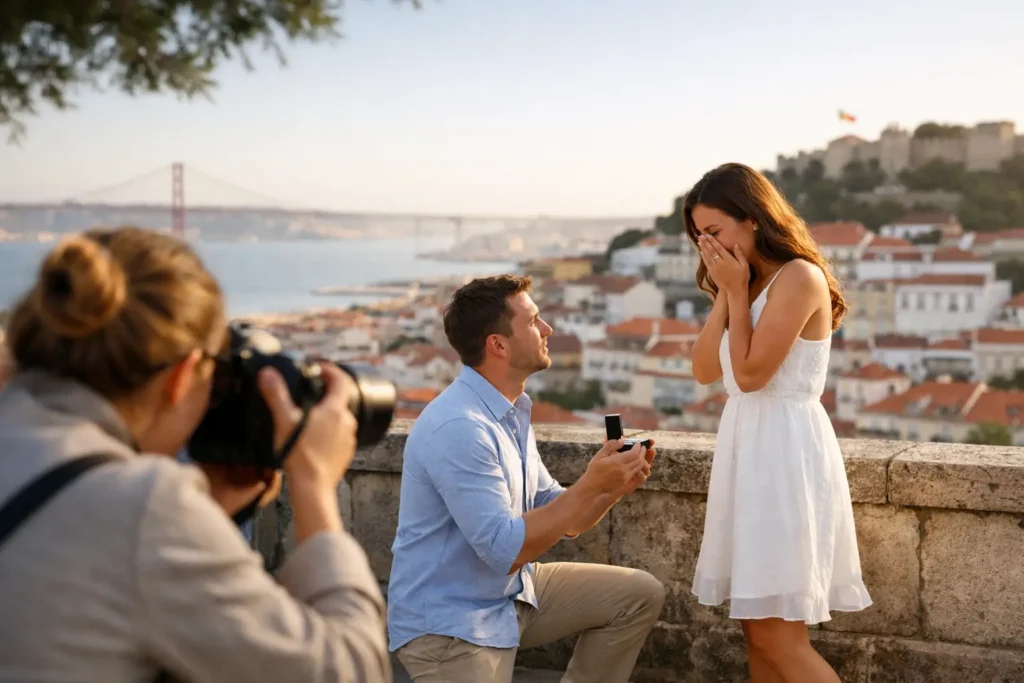
Then there is the proposal itself. This is where experience matters most. The photographer needs to anticipate rather than interrupt: to find a discreet position, read the light, and recognize the gestures that happen quickly and only once. The glance before getting down on one knee, the hands covering a face, the instinctive embrace – these are not poses. They are the images couples return to because they feel unmistakably theirs.

The story continues after the answer. Many people focus so intensely on the surprise that they forget the joy which follows it. Give yourselves time to breathe, look at the ring, call a loved one if that feels right, and simply be together. A short portrait session afterward can preserve the newly engaged energy that is impossible to recreate on another day.

Planning the Proposal Without Making It Feel Staged

There is a balance to strike. A proposal benefits from planning, especially when it happens in a country you are visiting, but too much choreography can make a meaningful moment feel like a production.

Start with the experience you want your partner to have. Some couples are drawn to a secluded location and a quiet sunrise. Others want the life and color of a historic neighborhood, a private dinner, or a grand view at sunset. The best choice is not necessarily the most famous one. It is the place that fits your relationship and your partner’s comfort with attention.

A photographer can help assess the practical details behind a romantic idea. At a popular lookout, for example, the view may be extraordinary but the space can be busy, windy, or crowded at the exact hour you imagined. A nearby alternative might offer the same atmosphere with more privacy and cleaner backgrounds. In the Douro Valley, distance between estates and viewpoints can shape the timeline more than couples expect. Along the coast, tides, access paths, and changing weather can affect where it makes sense to stand.

The goal is not to remove every unknown. The slight unpredictability of a real proposal is part of its beauty. The goal is to prevent logistical stress from stealing your attention when it matters most.

Choose a believable reason to be there

The cover story should feel natural to both of you. A sunset walk, a dinner reservation, a sightseeing plan, or a couple’s photo session can all work. The right choice depends on what your partner would genuinely expect while traveling in Portugal.

If your partner is likely to suspect something during a formal photo session, build the plan around an activity instead. If they love getting dressed up and enjoy photographs, a portrait session can create a relaxed, elegant framework for the proposal. There is no universally perfect approach. Authenticity comes from choosing what already sounds like the two of you.

Keep the timeline generous

Rushing is visible in photographs. Plan to arrive early, allowing for traffic, parking, a wrong turn, or a moment when you simply need to pause. If sunset is important, the proposal should happen before the light disappears, not at the final possible minute.

Afterward, protect at least 30 to 60 minutes for photographs and celebration. You do not need to fill every minute with direction. Gentle guidance is often enough: a walk, a hand held close, a chance to take in the view. The strongest portraits come when couples are allowed to settle into the reality of what just happened.

The Quiet Work Behind Natural Proposal Photos

Natural-looking images are not accidental. They require a photographer who understands how to work unobtrusively and when to step forward.

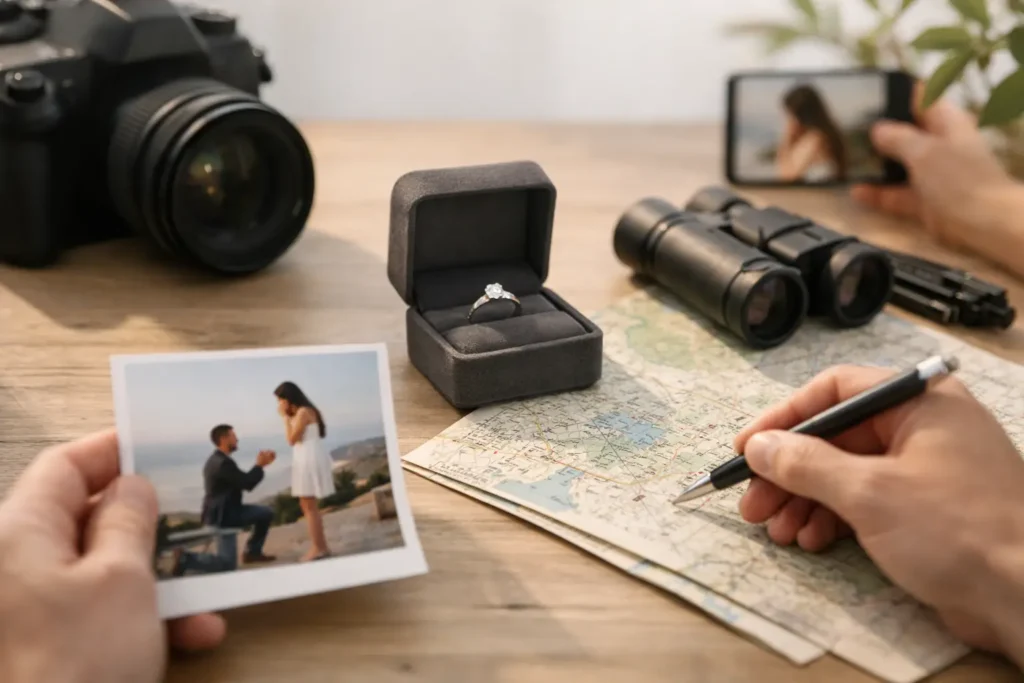
Before the proposal, communication is usually discreet and specific. You may share reference photos, clothing plans, a location pin, the direction from which you will approach, and a simple signal that confirms the moment is about to happen. This preparation allows the photographer to be in position without wandering into the scene or drawing attention.

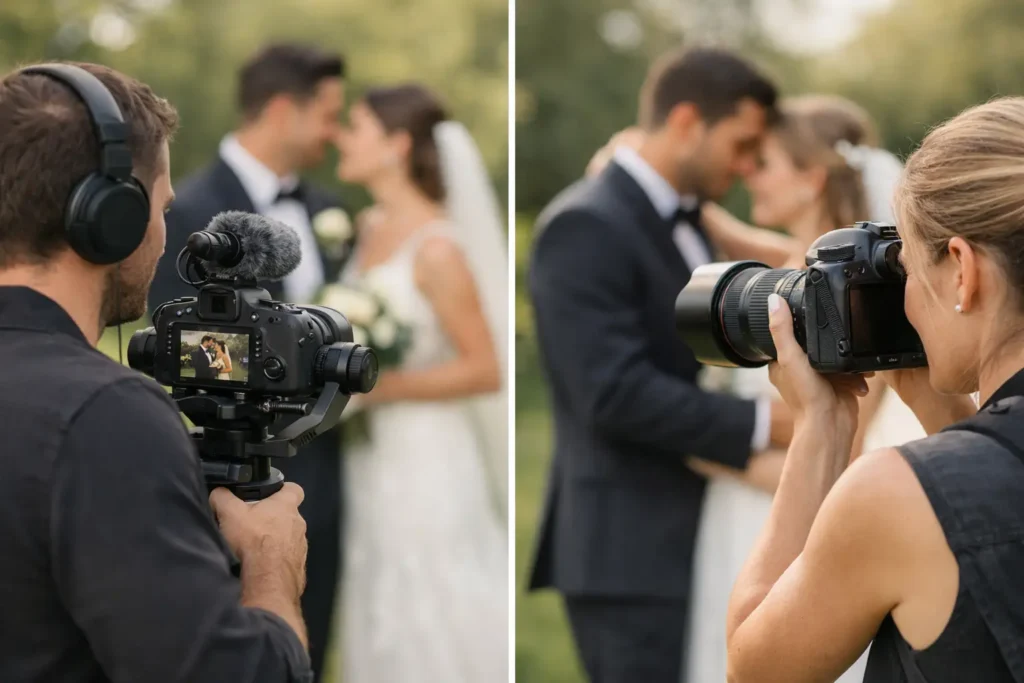
During the proposal, discretion matters more than constant proximity. A long lens can preserve distance when the setting calls for privacy, while a closer perspective may suit an intimate city scene where the photographer can blend into the surroundings. Each choice has a trade-off. Greater distance can protect the surprise, but it may limit certain expressions. A more direct setup can offer richer emotional detail, but only if it feels believable within the environment.

Once the question has been asked, the approach changes. This is the moment for reassurance and light direction, especially for people who say they are not comfortable in front of a camera. No one needs to perform romance. A good photographer notices how you naturally move toward one another, then creates small opportunities for that connection to appear in the frame.

Details That Make the Story Last

Years from now, you may remember the broad shape of the day: where you stood, what you wore, and the sound of the answer. Photographs help bring back the details that memory softens over time.

That can include the ring in your hand against Portuguese tile or vineyard light, the note you carried with you, champagne poured after the proposal, or the architecture and landscape that made the place feel chosen. These details work best as supporting images, not as a checklist. They should deepen the story rather than distract from it.

Clothing deserves some consideration, too. Choose something that feels like an elevated version of yourselves, comfortable enough to walk and move in. Soft neutrals, classic shapes, and colors that suit the location tend to photograph with lasting elegance. But comfort matters more than a perfectly coordinated palette. If your partner feels unlike themselves, that feeling will be harder to forget than any styling advantage.

Weather is another part of destination planning that deserves honesty. Portugal often offers beautiful light, but wind, rain, heat, and coastal mist are all possible. A thoughtful backup plan may involve shifting the time, choosing a covered architectural setting, or embracing a softer, more intimate mood. Not every proposal needs golden sun to be moving. Sometimes the weather becomes part of the memory you tell for years.

Let the Moment Belong to You

The most successful proposal photographs do not ask you to choose between a meaningful experience and beautiful images. With careful planning and a photographer who knows when to remain unseen, both are possible.

Think less about recreating an image you have seen and more about the feeling you hope your partner carries away from the day. Choose the place, pace, and atmosphere that make room for that feeling. The photographs will then have something far more valuable than perfection: the unmistakable truth of your beginning.

Share

Leave a Reply

Your email address will not be published. Required fields are marked *

Wedding

Proposal Photo Story: What Makes It Feel True

A hand reaches into a pocket. A familiar walk slows down. Then comes the moment neither of you will experience in quite the same way again. A proposal photo story is not simply proof that a question was asked. It is a visual record of anticipation, surprise, relief, laughter, and the quiet minutes afterward when the world feels suddenly different.

For couples planning an engagement in Portugal, the most meaningful photographs rarely come from a perfectly choreographed scene. They come from allowing the proposal to remain personal while giving the moment enough thoughtful structure to be photographed beautifully.

What a Proposal Photo Story Should Hold

A single image of the ring is lovely. A complete story gives that image a heartbeat.

The beginning matters: the setting before the proposal, the way you arrive together, and the small details that place the memory in time. It may be early light over the Douro Valley, an unhurried walk through a Lisbon viewpoint, or the sea just beyond an Algarve path. These photographs create context, but they should never compete with the two people at the center of the moment.

Then there is the proposal itself. This is where experience matters most. The photographer needs to anticipate rather than interrupt: to find a discreet position, read the light, and recognize the gestures that happen quickly and only once. The glance before getting down on one knee, the hands covering a face, the instinctive embrace – these are not poses. They are the images couples return to because they feel unmistakably theirs.

The story continues after the answer. Many people focus so intensely on the surprise that they forget the joy which follows it. Give yourselves time to breathe, look at the ring, call a loved one if that feels right, and simply be together. A short portrait session afterward can preserve the newly engaged energy that is impossible to recreate on another day.

Planning the Proposal Without Making It Feel Staged

There is a balance to strike. A proposal benefits from planning, especially when it happens in a country you are visiting, but too much choreography can make a meaningful moment feel like a production.

Start with the experience you want your partner to have. Some couples are drawn to a secluded location and a quiet sunrise. Others want the life and color of a historic neighborhood, a private dinner, or a grand view at sunset. The best choice is not necessarily the most famous one. It is the place that fits your relationship and your partner’s comfort with attention.

A photographer can help assess the practical details behind a romantic idea. At a popular lookout, for example, the view may be extraordinary but the space can be busy, windy, or crowded at the exact hour you imagined. A nearby alternative might offer the same atmosphere with more privacy and cleaner backgrounds. In the Douro Valley, distance between estates and viewpoints can shape the timeline more than couples expect. Along the coast, tides, access paths, and changing weather can affect where it makes sense to stand.

The goal is not to remove every unknown. The slight unpredictability of a real proposal is part of its beauty. The goal is to prevent logistical stress from stealing your attention when it matters most.

Choose a believable reason to be there

The cover story should feel natural to both of you. A sunset walk, a dinner reservation, a sightseeing plan, or a couple’s photo session can all work. The right choice depends on what your partner would genuinely expect while traveling in Portugal.

If your partner is likely to suspect something during a formal photo session, build the plan around an activity instead. If they love getting dressed up and enjoy photographs, a portrait session can create a relaxed, elegant framework for the proposal. There is no universally perfect approach. Authenticity comes from choosing what already sounds like the two of you.

Keep the timeline generous

Rushing is visible in photographs. Plan to arrive early, allowing for traffic, parking, a wrong turn, or a moment when you simply need to pause. If sunset is important, the proposal should happen before the light disappears, not at the final possible minute.

Afterward, protect at least 30 to 60 minutes for photographs and celebration. You do not need to fill every minute with direction. Gentle guidance is often enough: a walk, a hand held close, a chance to take in the view. The strongest portraits come when couples are allowed to settle into the reality of what just happened.

The Quiet Work Behind Natural Proposal Photos

Natural-looking images are not accidental. They require a photographer who understands how to work unobtrusively and when to step forward.

Before the proposal, communication is usually discreet and specific. You may share reference photos, clothing plans, a location pin, the direction from which you will approach, and a simple signal that confirms the moment is about to happen. This preparation allows the photographer to be in position without wandering into the scene or drawing attention.

During the proposal, discretion matters more than constant proximity. A long lens can preserve distance when the setting calls for privacy, while a closer perspective may suit an intimate city scene where the photographer can blend into the surroundings. Each choice has a trade-off. Greater distance can protect the surprise, but it may limit certain expressions. A more direct setup can offer richer emotional detail, but only if it feels believable within the environment.

Once the question has been asked, the approach changes. This is the moment for reassurance and light direction, especially for people who say they are not comfortable in front of a camera. No one needs to perform romance. A good photographer notices how you naturally move toward one another, then creates small opportunities for that connection to appear in the frame.

Details That Make the Story Last

Years from now, you may remember the broad shape of the day: where you stood, what you wore, and the sound of the answer. Photographs help bring back the details that memory softens over time.

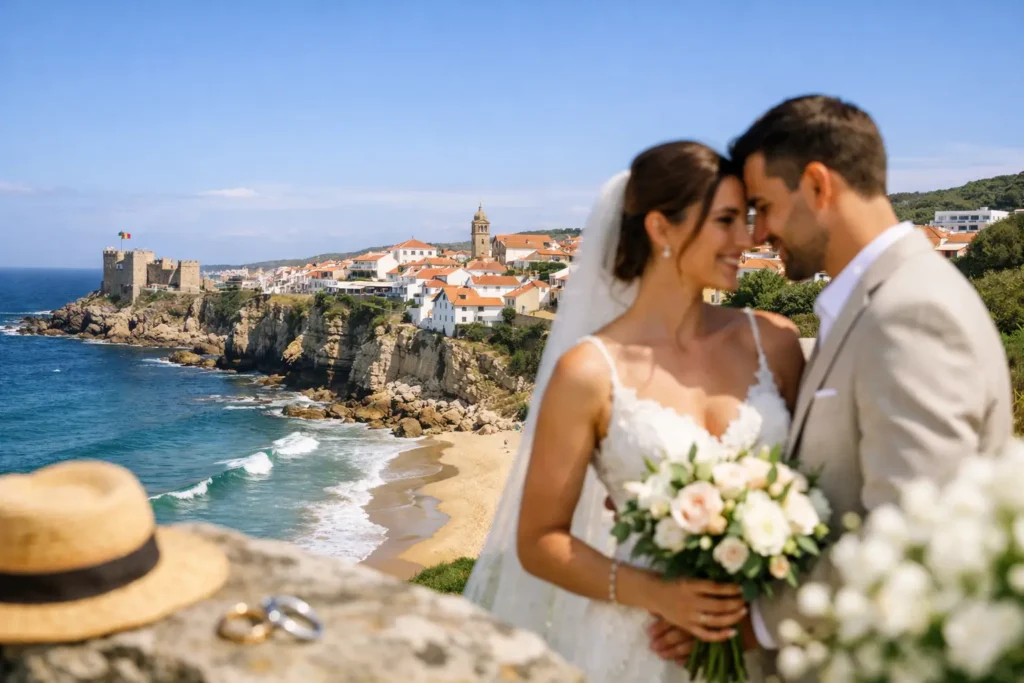
That can include the ring in your hand against Portuguese tile or vineyard light, the note you carried with you, champagne poured after the proposal, or the architecture and landscape that made the place feel chosen. These details work best as supporting images, not as a checklist. They should deepen the story rather than distract from it.

Clothing deserves some consideration, too. Choose something that feels like an elevated version of yourselves, comfortable enough to walk and move in. Soft neutrals, classic shapes, and colors that suit the location tend to photograph with lasting elegance. But comfort matters more than a perfectly coordinated palette. If your partner feels unlike themselves, that feeling will be harder to forget than any styling advantage.

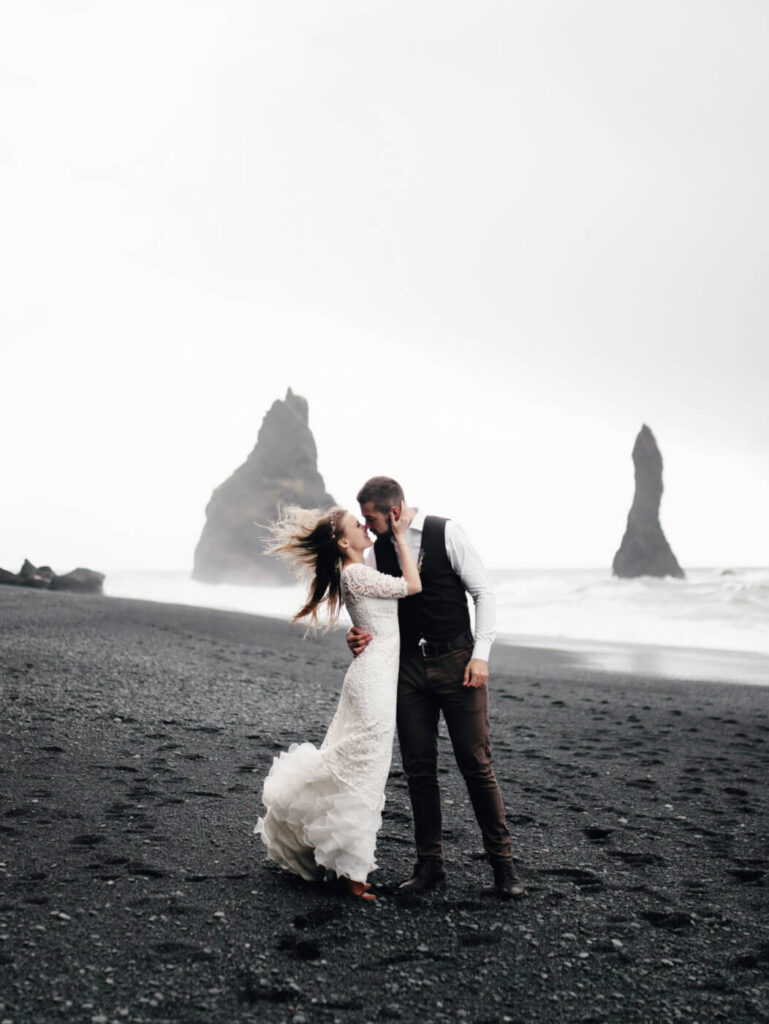
Weather is another part of destination planning that deserves honesty. Portugal often offers beautiful light, but wind, rain, heat, and coastal mist are all possible. A thoughtful backup plan may involve shifting the time, choosing a covered architectural setting, or embracing a softer, more intimate mood. Not every proposal needs golden sun to be moving. Sometimes the weather becomes part of the memory you tell for years.

Let the Moment Belong to You

The most successful proposal photographs do not ask you to choose between a meaningful experience and beautiful images. With careful planning and a photographer who knows when to remain unseen, both are possible.

Think less about recreating an image you have seen and more about the feeling you hope your partner carries away from the day. Choose the place, pace, and atmosphere that make room for that feeling. The photographs will then have something far more valuable than perfection: the unmistakable truth of your beginning.

Share

Leave a Reply

Your email address will not be published. Required fields are marked *