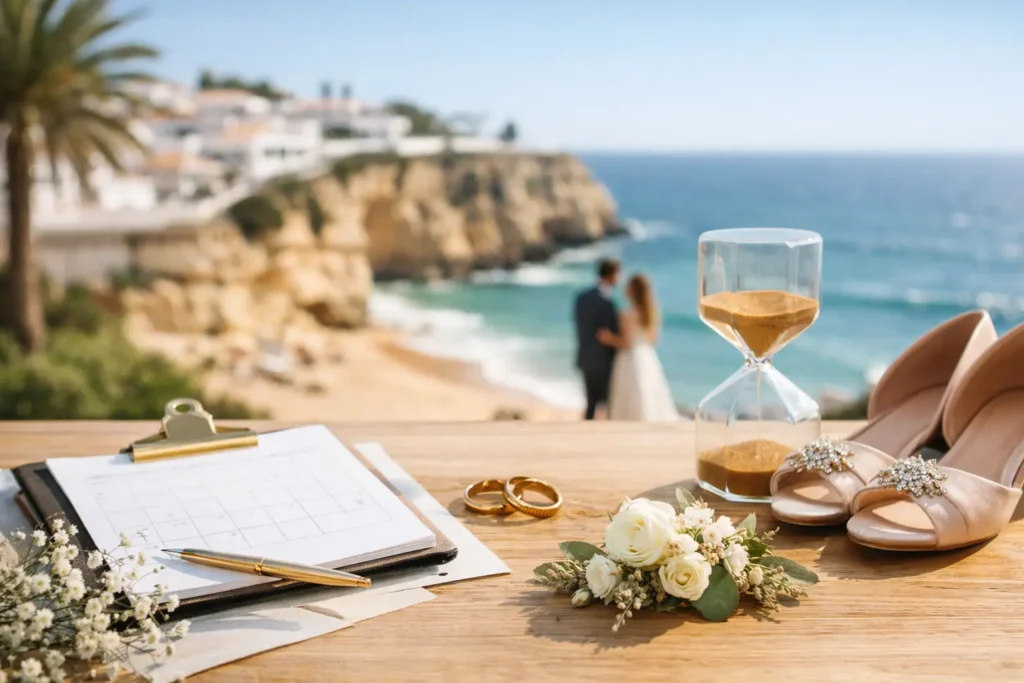
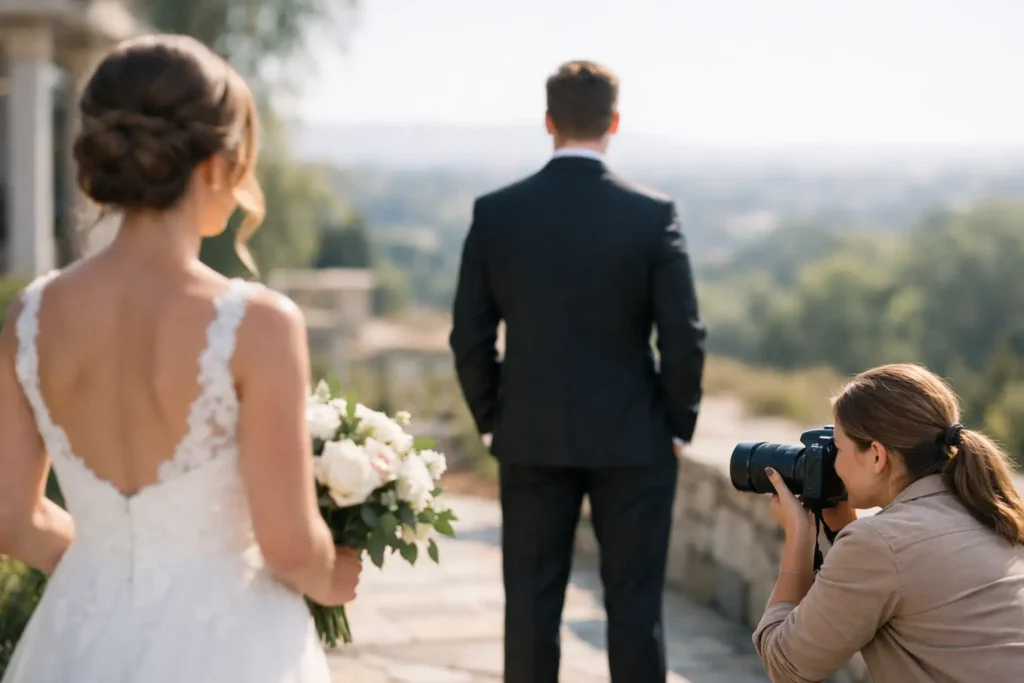
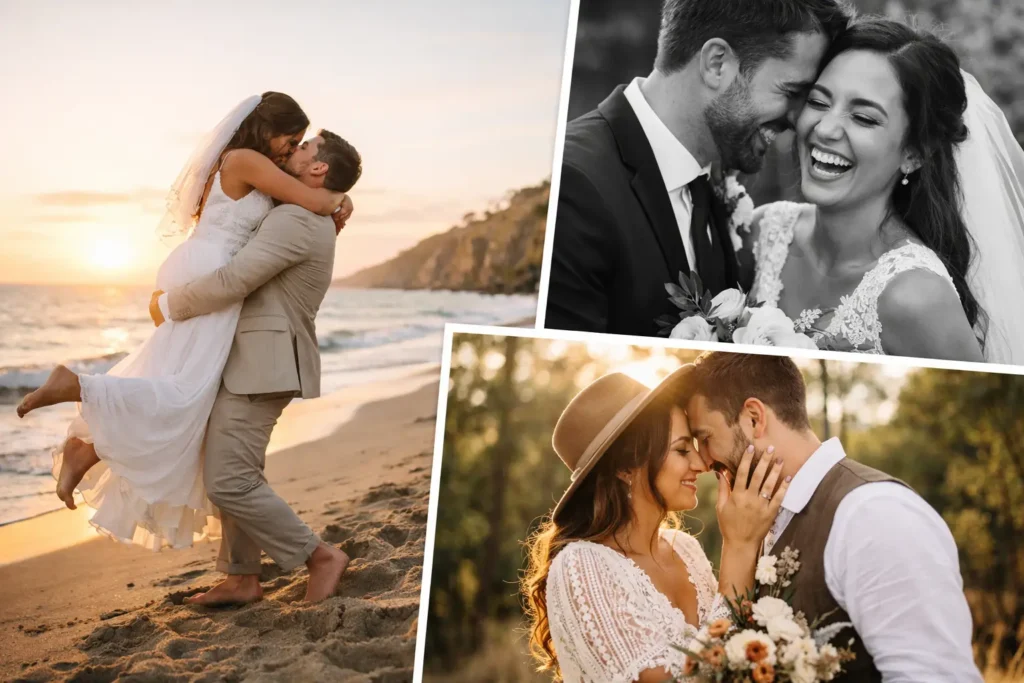
The quiet moment after your wedding, when you receive a gallery filled with the people, light, and emotion you never want to forget, is not the moment to wonder what you are allowed to do with the images. A clear wedding photography rights guide helps you understand the difference between owning photographs and having the freedom to enjoy them fully – in albums, on your walls, and in the memories you share with the people you love.
For couples planning a destination celebration, clarity matters even more. You may be booking from another country, working with international vendors, and hoping to preserve a once-in-a-lifetime experience in Portugal. Photography rights should feel simple, respectful, and clearly set out before the wedding day.
What wedding photography rights actually mean
The phrase “photography rights” can sound more complicated than it is. In most professional photography arrangements, there are two separate ideas: copyright ownership and image-use permission, often called a license.
Copyright is the legal ownership of the photograph as a creative work. In many countries, including Portugal, copyright generally stays with the photographer unless a written agreement transfers it. This recognizes the photographer’s authorship, artistic direction, editing, and distinctive visual approach.
Your license is your permission to use the finished images. A thoughtful wedding photography contract will explain this in plain language. For most couples, the license allows personal use: downloading the gallery, making prints, creating albums, sharing images with family, posting on social media, and keeping the photographs for a lifetime.
This arrangement is not a limitation on your memories. It is a practical way to protect both sides of a creative collaboration. You can live with, display, and share your photographs, while your photographer retains the right to protect the work from unauthorized commercial use, misleading edits, or resale.
Wedding photography rights guide: what couples can usually do
Every contract is different, so the agreement you sign is always the final reference. Still, a personal-use license commonly lets you print images at the size you wish, order artwork, send photographs to friends and family, and use them in announcements or thank-you cards.
You can also usually share images on personal social accounts. For a destination wedding, that may mean sending a favorite image to loved ones back home before you have even left Portugal, or building an album that lets guests revisit a golden evening in the Douro Valley years later.
There are a few common boundaries. You typically cannot sell the images, submit them to a brand campaign, give them to a publication for paid use, or allow a business to use them in advertising without the photographer’s written approval. A florist, venue, planner, or dress designer may wish to share an image from your day. That is often wonderful for everyone involved, but the proper permissions should be arranged rather than assumed.
The same principle applies if your wedding has a sponsored element, a public profile, or a commercial partnership. A personal Instagram post is very different from paid promotional content. Let your photographer know in advance if commercial use may be part of your plans, so the license can reflect it clearly.
Printing, albums, and heirlooms
Ask whether your collection includes high-resolution files, professional print access, or both. High-resolution digital files generally give you flexibility to print for personal use, but professional labs and photographer-designed albums can offer more reliable color, paper, and craftsmanship.
For images intended to become heirlooms, the experience matters. A photograph of your ceremony in Lisbon may look beautiful on a phone screen, but it becomes something else when it is printed with care and held in your hands. Your rights should support that enjoyment without leaving you uncertain about where or how you may print.
Social sharing and photo credit
Giving credit to your photographer when you post is a gracious professional courtesy, and it helps future couples find the artist behind the work. It is not always a legal requirement, unless your contract says so, but it is a meaningful acknowledgment of creative authorship.
It is also wise to avoid applying heavy filters, cropping out a watermark, or substantially altering the final edit. Your photographer’s editing is part of the visual story you chose them for. If an image needs a different crop for a frame or social format, a quick conversation can often provide a beautiful solution.
Questions to ask before you sign
The best time to discuss rights is during the booking process, not after the gallery arrives. A good contract should answer the essentials without legal jargon. Ask whether you receive digital files, whether they are high resolution, and whether your personal-use license is perpetual. You should also know how long your gallery will remain online and whether archiving is available after that period.
Ask directly about social media, printing, vendor sharing, and publication. If privacy is important, discuss whether your photographer may feature your images on their website, social channels, portfolio, or submissions to wedding publications.
You may also want to ask about the following circumstances, especially for an international celebration:
- Whether the contract specifies the governing law and how any dispute would be handled.
- Whether photographs can be shared with destination vendors after the wedding.
- Whether you can request that certain guests, children, or private moments not be published.
- Whether a private gallery, password protection, or restricted sharing option is available.
These are not difficult questions. They are a sign that you are protecting the experience you are investing in.
Can you request complete privacy?
Yes, and this is worth discussing early. Some couples are delighted for their photographs to be shared as part of a photographer’s portfolio. Others prefer a more private approach due to family circumstances, professional visibility, cultural preferences, or the intimacy of their celebration.
Privacy can take different forms. You may be comfortable with selected images being shared but not ceremony images. You may prefer no guest photos online, or you may want the wedding kept entirely off public platforms. A photographer can only honor the boundaries they understand, so communicate them clearly before the day.
There can be a trade-off. Portfolio use helps photographers show the real work that allows future clients to choose them with confidence. For this reason, some studios may offer different terms or pricing for full confidentiality. Neither choice is more correct. The right choice is the one that lets you feel at ease.
For a destination wedding, consider guest privacy as well. Let your planner and photographer know about any attendees who should not appear in publicly shared images. A short conversation can prevent an avoidable mistake during a day that should feel safe and joyful.
Do you need the RAW files?
RAW files are unfinished capture files, not the polished photographs you see in a final gallery. They require specialist software and contain the unedited starting point before color work, exposure refinement, cropping, and the many quiet decisions that shape a finished image.
Most professional wedding photographers do not provide RAW files. This is standard, not a sign that anything is being withheld. The final edited collection is the intended work, delivered in the visual language you selected when you chose your photographer.
If there is a specific concern – perhaps you need a particular image adjusted, an alternate crop for a large frame, or a photo prepared for a publication – ask. Many requests can be handled through a finished file without compromising the integrity of the work.
Why clear rights protect the relationship
Wedding photography is both a personal service and an authored creative work. Your photographer is invited into emotional, unrepeatable moments: a parent taking a breath before the ceremony, a glance across the dinner table, the joy that arrives when formal plans fade into celebration. Mutual clarity around rights allows that trust to remain intact long after the final gallery is delivered.
At Wedding Photographer Portugal, we believe photographs should be easy to return to, share, print, and treasure. The contract should support that feeling, not create uncertainty. Read it before booking, raise questions without hesitation, and keep a copy with your wedding records.
The most valuable photographs are not the ones that sit forgotten in a download folder. They are the ones you bring into your life – framed in a home, sent to a parent, opened on an anniversary, and recognized immediately as the feeling of being there.