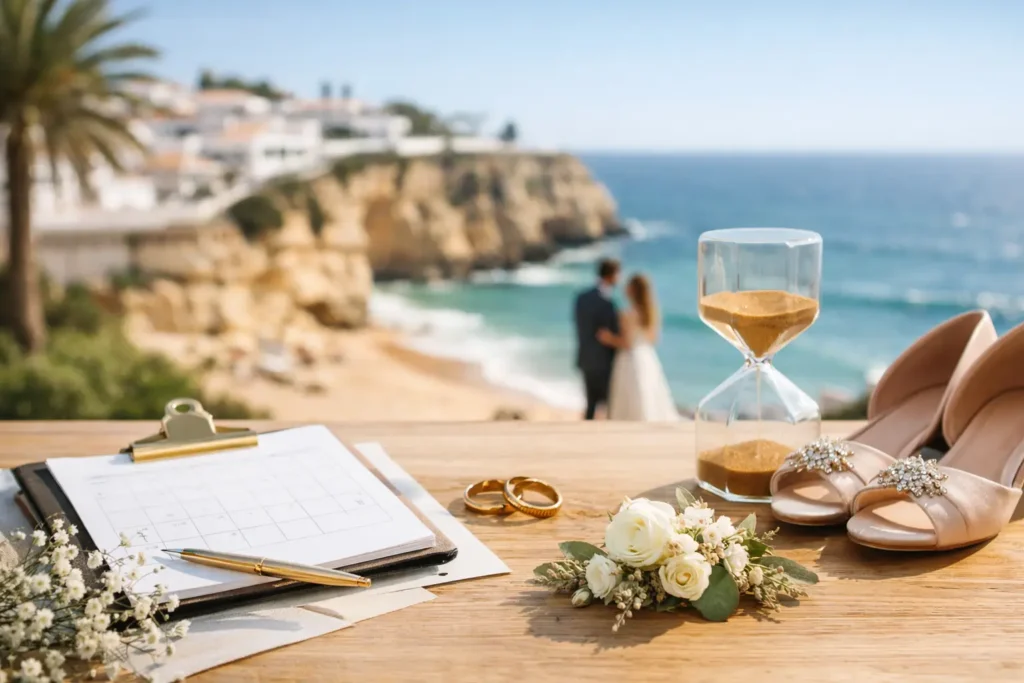
The decision between first look versus aisle portraits is rarely just about photography. It is about how you want to meet one another on a day that will move faster and feel fuller than you expect. Some couples dream of that quiet, private moment before the ceremony. Others have waited their whole lives to see each other for the first time as one walks down the aisle.
Neither choice is more romantic, more meaningful, or more photogenic by default. The right choice is the one that gives you space to be yourselves and lets your wedding story unfold in a way that feels honest.
First Look Versus Aisle Portraits: The Emotional Difference
A first look creates a pause before the celebration begins. Away from the arrival of guests and the formal rhythm of the ceremony, you can turn toward each other, take in every detail, and react without feeling watched. For couples who are private, emotional, or simply nervous about being the center of attention, that calm can be a gift.
The photographs from a first look often feel intimate because the moment belongs only to the two of you. There is room for a long hug, a few tears, laughter, and conversation. Nothing needs to be rushed. A thoughtful photographer will stay close enough to preserve the feeling while allowing the moment to breathe.
Waiting for the aisle has a different kind of power. There is an unmistakable anticipation in not seeing each other until the ceremony. The doors open, music begins, and all of the planning gives way to one shared glance. For many couples, the presence of family and friends makes that reaction even more meaningful. It becomes part of the ceremony itself, held by everyone who loves you.
Aisle portraits can be beautifully unguarded. You may not remember exactly what your partner’s expression looked like as you approached, and that is where photography becomes especially precious. The images preserve the exchange: the deep breath, the smile through tears, the hand reaching forward.
How Each Choice Shapes Your Wedding Day
The practical difference matters, particularly for a destination wedding in Portugal, where light, travel between locations, and the rhythm of your venue can shape the day.
A first look typically happens before the ceremony, which allows most couple portraits, wedding party photographs, and family groupings to be completed early. After the ceremony, you can join cocktail hour sooner and spend more time with the people who traveled to celebrate with you. This is often especially helpful for a winter wedding, a later ceremony, or a celebration with a full reception schedule.
It also gives you a buffer. If hair and makeup run late, if transport takes longer than planned, or if the weather shifts, a well-planned first look can make the photography timeline feel less pressured. You have already created time together, rather than depending entirely on the short window after the ceremony.
If you choose to wait for the aisle, portraits can still feel relaxed and beautifully considered. They simply require intention. Your photographer may recommend a short portrait session before the ceremony with each partner separately, followed by a protected window after the ceremony for the two of you. In Portugal, that can mean stepping away for a gentle walk through a Lisbon courtyard, a quiet view over the Douro Valley, or the soft evening light along an Algarve terrace.
The trade-off is that your post-ceremony time may overlap with cocktails or require guests to wait briefly before dinner. For some couples, this is no disadvantage at all. Those first minutes as newlyweds can feel wonderfully private, and the anticipation of seeing each other after the vows often brings a natural energy to the photographs.
Consider the Light, Not Just the Clock
Photography is shaped by light, and destination venues do not always follow a standard schedule. In high summer, Portugal’s most flattering outdoor light arrives later in the evening. A first look at midday may be emotionally beautiful but visually brighter and warmer than you imagined. In that case, you can still choose a first look for the experience, then plan a short sunset portrait session after dinner.
A winter ceremony presents the opposite consideration. With less daylight available, a first look may be the most practical way to create portraits in natural light. This does not make the decision less heartfelt. It simply protects the time and conditions needed to document it well.
An experienced photographer will look at your ceremony hour, venue orientation, season, travel time, and priorities before suggesting a plan. The goal is not to force your day into a formula. It is to make room for the moments that matter most to you.
Who Usually Loves a First Look?
A first look often suits couples who want a quieter start, who feel anxious about being photographed, or who value time with guests after the ceremony. It can also be ideal when you are getting ready at the same venue and can step into a secluded location without adding complicated logistics.
It is a lovely choice if you know you will want to talk when you first see each other. A few private words can settle the nerves and make the ceremony feel more present. Many couples say that once they had that moment together, they were able to focus fully on the vows rather than worrying about the attention around them.
A first look does not remove the emotion of the aisle. The feeling changes, but it does not disappear. Seeing your partner again, now ready to make a lifelong promise, can still be profoundly moving. Often, it is even more emotional because you have already shared a quiet moment and now understand the significance of what is about to happen.
Who May Prefer the Aisle Reveal?
If tradition feels deeply personal to you, honor that instinct. Some couples have always imagined the aisle reveal, and no efficient timeline is worth replacing a moment you may later wish you had experienced. Your wedding day should not feel like a photo shoot with a ceremony placed in the middle. Photography should serve the meaning of the day.
The aisle reveal can be particularly fitting for ceremonies where the entrance has symbolic or cultural importance. It also works beautifully for couples who enjoy a little anticipation and want their guests to witness that first reaction.
If you choose this path, build a realistic portrait plan around it. Keep family groupings organized, allow more time than you think you need after the ceremony, and consider a sunset session for relaxed portraits away from the reception. A skilled photographer can guide you efficiently without turning your newlywed time into a series of instructions.
You Can Create a Meaningful Middle Ground
This does not have to be an all-or-nothing choice. Some couples exchange letters or gifts without seeing each other. Others hold hands around a doorway, share a prayer, or have a first touch before the ceremony. These moments offer connection and calm while preserving the visual reveal for the aisle.
Another approach is to do a first look but save certain details for later. You might meet before the ceremony in a simple getting-ready outfit, then see each other again in complete wedding attire as you enter the ceremony. What matters is not whether your day follows a familiar rule. It is whether the structure supports your emotions rather than competing with them.
Let Your Priorities Lead the Decision
When deciding on first look versus aisle portraits, begin with one question: what do you want to feel when you first see each other? If your answer is privacy, conversation, and a chance to release nervous energy, a first look may be right for you. If your answer is anticipation, tradition, and the joy of sharing the moment with your loved ones, wait for the aisle.
Then consider the practical details with care: your ceremony time, the season, the available daylight, your guest experience, and how much portrait time you want. A thoughtful plan can honor either choice.
The most timeless images are never created by copying someone else’s wedding day. They come from choosing the moments that feel true to you, then allowing yourselves to be fully present when they arrive.