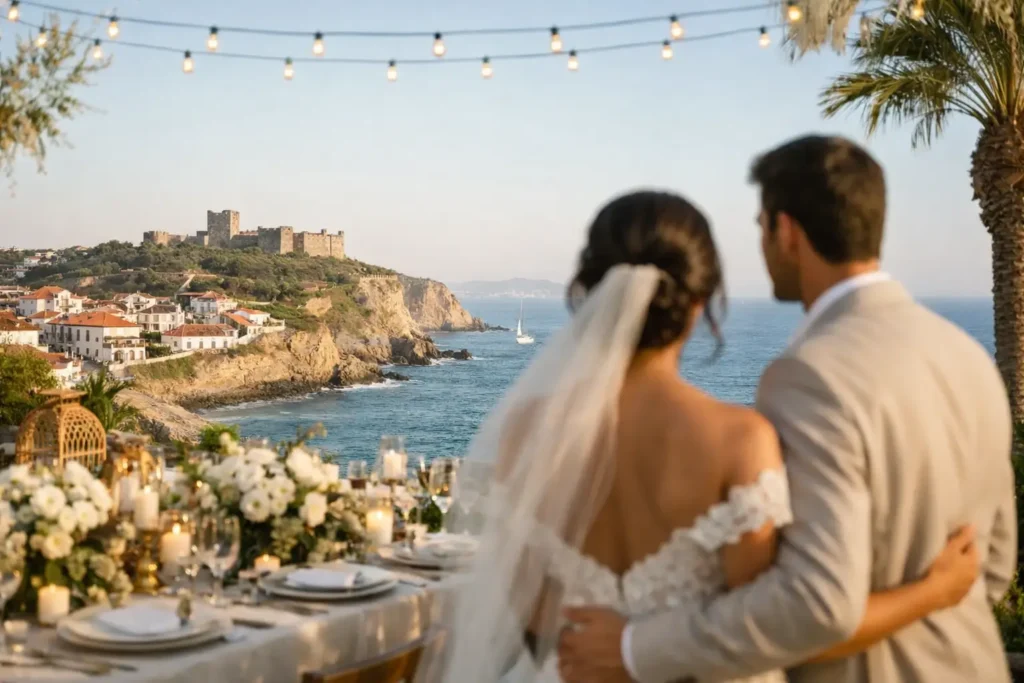
Portugal has quietly become one of the most desired wedding destinations in Europe. From the dramatic cliffs of the Algarve to the historic streets of Porto and the romantic palaces of Sintra, the country offers an almost cinematic backdrop before a camera even starts recording. That is exactly why cinematic wedding photography in Portugal has exploded in popularity among modern couples looking for something more meaningful than traditional wedding albums.
Recent industry reports show that the European destination wedding market reached $27.3 billion in 2025, with personalized and multi-day wedding experiences leading the growth. Portugal has positioned itself as one of the strongest destinations within that market thanks to its climate, luxury venues, affordability compared to Italy or France, and breathtaking scenery. In fact, Portugal was recently ranked among the world’s best wedding destinations because of its hospitality infrastructure, weather, and accessibility.
Unlike traditional wedding photography that often focuses on posed portraits and formal moments, cinematic wedding photography is about storytelling. It captures movement, atmosphere, emotion, light, and all the small in-between moments that create the heartbeat of a wedding day. Think of it less as documentation and more like creating scenes from a romantic film where the couple becomes the main characters.
Before diving deeper into what makes Portugal such a dream location for cinematic weddings, let’s explore the complete structure of this guide.
What Is Cinematic Wedding Photography?
The phrase cinematic wedding photography gets used frequently across wedding websites and social media platforms, but what does it actually mean? Imagine watching your favorite romantic film. The scenes feel alive. The lighting creates emotion. The camera captures subtle glances, nervous smiles, and moments that feel spontaneous rather than staged. Cinematic photography applies those same storytelling principles to a wedding day.
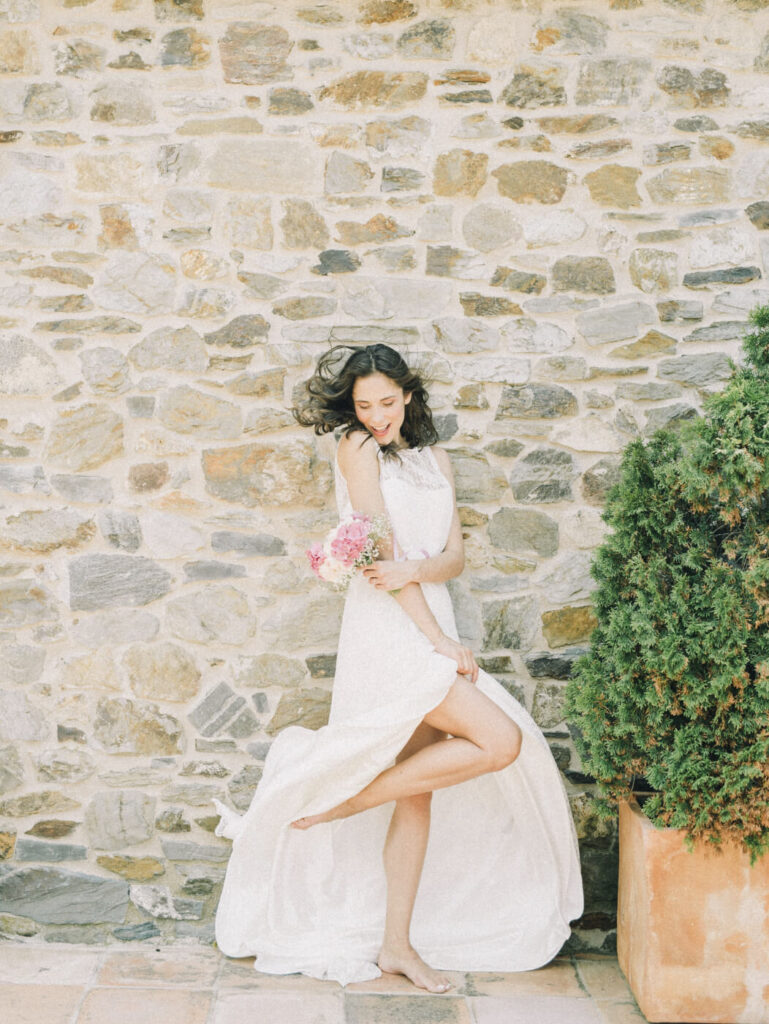
Instead of focusing solely on perfect poses, cinematic photographers prioritize atmosphere. They pay attention to how sunlight filters through a chapel window, how a bride’s dress moves in the wind, or how parents react during an emotional speech. The result is a collection of photographs that feel less like isolated images and more like scenes from a larger narrative. Each frame contributes to a story rather than existing independently.
The growing popularity of destination weddings has accelerated this trend. Couples are no longer searching for photographers who simply record events. They want artists capable of transforming their celebrations into visual experiences that feel immersive and emotional. The wedding becomes the script, the location becomes the set design, and the people become the characters.
This approach also creates stronger emotional value over time. Years later, couples often discover that the images they treasure most are not the perfectly posed portraits. Instead, they are the unexpected moments: tears during vows, laughter during dinner, or a quiet embrace after sunset. Cinematic photography thrives in those moments because it prioritizes authenticity above perfection.
The Difference Between Traditional and Cinematic Styles
Traditional wedding photography often follows a checklist. Family portraits, ceremony images, cake cutting, first dance, and formal group shots are captured systematically. While these photographs remain important, cinematic photography approaches the day from a different perspective.
A cinematic photographer searches for emotion rather than simply documenting events. Instead of asking couples to constantly look at the camera, they encourage interaction. Movement becomes part of the image. Natural reactions replace rigid poses. Shadows, reflections, and environmental elements are intentionally incorporated to create depth and atmosphere.
Think about the difference between reading a list of events and watching a compelling movie. Both communicate information, but only one creates emotional immersion. That is the essence of cinematic wedding photography.
Why Modern Couples Prefer Storytelling Photography
Today’s couples grew up in a visual world dominated by Instagram, Pinterest, Netflix, and high-quality digital content. Their expectations have evolved dramatically. They are drawn toward experiences that feel authentic rather than overly manufactured.
Wedding trends for 2025 and 2026 show a clear movement toward personalization, intentional design, and emotional storytelling. Industry experts report increasing demand for immersive wedding experiences and documentary-style imagery that reflects genuine moments rather than staged perfection.
Couples want their wedding photographs to feel like memories, not performances. They want to remember how the day felt rather than simply how it looked. Cinematic photography delivers exactly that. It captures the atmosphere, energy, and emotions that make each celebration unique.
Why Portugal Is Perfect for Cinematic Wedding Photography
Portugal feels almost as if it was designed specifically for cinematic storytelling. Every region offers a different visual language. One moment you are standing on a cliff overlooking the Atlantic Ocean. The next, you are walking through centuries-old palaces surrounded by mist-covered forests.
The country’s remarkable diversity makes it particularly attractive for photographers and couples alike. Portugal combines coastal landscapes, vineyards, mountains, medieval architecture, and vibrant urban environments within relatively short travel distances. Few European destinations offer such visual variety.
Another major advantage is the quality of light. Photographers often describe Portugal’s sunlight as soft, warm, and incredibly photogenic. Golden hour seems to last longer here, creating ideal conditions for romantic portraits and atmospheric storytelling.
According to recent destination wedding reports, Portugal continues to attract international couples because it combines luxury experiences with relatively accessible pricing compared to destinations such as Italy and France. This accessibility allows couples to invest more heavily in photography, videography, and personalized experiences.
Natural Light and Weather Conditions
Light is the foundation of every photograph. Without great light, even the most beautiful location can feel uninspiring. Portugal’s climate provides photographers with consistent opportunities throughout much of the year.
The country enjoys over 300 days of sunshine annually in many regions, particularly in the Algarve. This creates predictable lighting conditions that are ideal for outdoor ceremonies and portraits. Soft morning light, golden evening sunsets, and dramatic coastal skies all contribute to cinematic imagery.
For photographers, this reliability reduces uncertainty. For couples, it increases the likelihood of achieving the visual style they envision.
Diverse Landscapes for Every Love Story
Some couples dream of elegant palace weddings. Others imagine intimate vineyard celebrations or barefoot ceremonies overlooking the ocean. Portugal accommodates every aesthetic.
From historic estates and castles to modern luxury resorts, the country offers endless creative possibilities. Many venues are specifically designed to integrate seamlessly with their natural surroundings, creating visually stunning environments that enhance storytelling.
The result is a destination where every wedding can feel completely unique while still benefiting from Portugal’s distinctive charm.
The Most Cinematic Wedding Locations in Portugal
Sintra’s Fairytale Palaces
Few places in Europe feel as magical as Sintra. Surrounded by lush forests, historic estates, and romantic architecture, Sintra often resembles a movie set rather than a real town.
Photographers love Sintra because every corner offers visual depth. Mist rolling through the hills creates atmosphere. Colorful palaces add drama. Ancient gardens provide texture and mystery. Weddings held here often feel timeless, blending history, romance, and cinematic beauty into a single experience.
Luxury venues such as Penha Longa Resort have become internationally recognized for destination weddings because they combine world-class hospitality with extraordinary scenery.
Porto’s Historic Streets
Porto offers a completely different cinematic language. Instead of fairytale romance, Porto delivers authenticity, character, and urban elegance.
Its narrow streets, colorful facades, historic bridges, and riverside atmosphere create visually rich environments. Documentary-style photographers particularly appreciate Porto because the city feels alive. Every street corner offers spontaneous interactions, unique textures, and compelling compositions.
The combination of history and modern creativity makes Porto one of Portugal’s strongest destinations for cinematic storytelling.
Algarve’s Dramatic Coastline
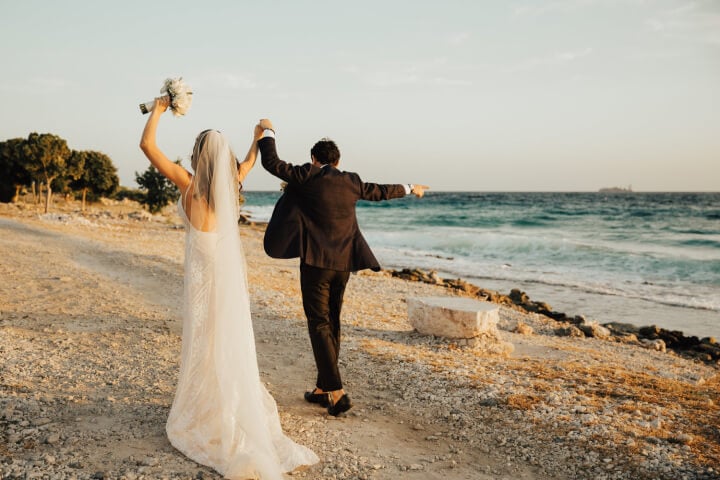
When couples imagine destination weddings in Portugal, the Algarve often comes to mind first. Towering cliffs, turquoise waters, hidden beaches, and endless sunsets create naturally cinematic environments.
The region’s coastal landscapes provide scale and drama. Small human moments become even more powerful when framed against vast ocean horizons. This contrast creates photographs that feel epic while remaining deeply personal.
Many of Portugal’s most sought-after wedding venues are located throughout the Algarve because of these extraordinary natural advantages.
Douro Valley Vineyards
The Douro Valley offers something entirely different: elegance, tranquility, and timeless beauty.
Terraced vineyards stretch across rolling hills, creating patterns and textures that photograph beautifully. Morning fog, golden sunsets, and historic wine estates contribute to a cinematic atmosphere that feels both luxurious and intimate.
For couples seeking romance without crowds, the Douro Valley remains one of Portugal’s most captivating wedding destinations.
Key Elements of Cinematic Wedding Photography
Creating cinematic imagery is about far more than owning expensive cameras. The magic lies in understanding storytelling, light, composition, and emotion.
Light as a Storytelling Tool
Light shapes mood. Soft light creates intimacy. Harsh shadows create drama. Golden sunsets evoke romance. Skilled photographers use light intentionally rather than treating it as a technical necessity.
In cinematic photography, light becomes part of the narrative itself. It directs attention, creates atmosphere, and influences emotional perception. This is why experienced photographers often schedule portraits around sunrise or sunset rather than midday.
Composition and Framing
Composition determines how viewers experience an image. Strategic framing can make a scene feel grand, intimate, mysterious, or emotional.
Cinematic photographers frequently incorporate architecture, landscapes, reflections, and negative space. These elements add depth and visual interest while reinforcing the story being told.
Authentic Emotion Over Posing
The strongest wedding photographs often emerge during unscripted moments. A spontaneous laugh. A tearful glance. An unexpected embrace.
Rather than constantly directing couples, cinematic photographers create environments where genuine emotions can naturally unfold. This produces images that feel authentic and emotionally resonant.
Documentary Meets Editorial
One of the most exciting developments in modern wedding photography is the fusion of documentary and editorial styles.
Documentary photography focuses on reality. Editorial photography focuses on aesthetics. Combining the two creates imagery that feels both authentic and visually sophisticated.
Capturing Real Moments
Documentary photographers act as observers. They anticipate emotion and react quickly without interfering. The goal is not to control events but to capture them honestly.
This approach preserves the natural rhythm of the wedding day. Couples remain present rather than feeling like participants in an endless photoshoot.
Creating Magazine-Worthy Portraits
Editorial influences introduce intentional artistry. Lighting, composition, and styling receive careful attention. Portraits become elegant, refined, and visually impactful.
The result is a wedding gallery that balances genuine emotion with luxury aesthetics. It feels real while still looking extraordinary.
Destination Weddings and Cinematic Storytelling
Destination weddings naturally lend themselves to cinematic photography because the story extends beyond the wedding day itself.
Multi-Day Wedding Experiences
Current wedding industry data shows that multi-day celebrations dominate the destination wedding market, representing nearly 65% of destination wedding experiences.
Welcome dinners, boat excursions, vineyard tastings, beach parties, and farewell brunches all contribute additional chapters to the story. These experiences create opportunities for richer storytelling and deeper emotional connections.
Cultural Elements That Enhance the Story
Portugal offers cultural experiences that add authenticity and character to wedding narratives. Traditional cuisine, local wines, historic architecture, and regional customs create visual and emotional layers that elevate storytelling.
According to tourism research, gastronomy, local experiences, and cultural immersion remain among the strongest attractions for destination wedding groups visiting Portugal.
Choosing the Right Cinematic Wedding Photographer in Portugal
Selecting the right photographer is arguably one of the most important wedding decisions a couple can make. Flowers fade. Music ends. Decorations disappear. Photographs remain.
Portfolio Evaluation
A photographer’s portfolio reveals far more than technical ability. It demonstrates consistency, storytelling skills, emotional intelligence, and artistic vision.
Look for galleries rather than isolated highlights. Anyone can produce a few beautiful images. The real challenge is maintaining quality throughout an entire wedding day.
Questions to Ask Before Booking
| Question | Why It Matters |
|---|---|
| How do you approach storytelling? | Reveals creative philosophy |
| Have you photographed at our venue? | Demonstrates familiarity |
| How do you handle difficult lighting? | Shows technical expertise |
| Can we see complete galleries? | Confirms consistency |
| How do you direct couples? | Reveals working style |
These conversations help determine whether a photographer’s approach aligns with the couple’s vision.
Wedding Photography Trends in Portugal for 2026
The future of wedding photography is becoming increasingly emotional, artistic, and personalized.
Film-Inspired Imagery
Industry experts report growing demand for film-inspired aesthetics. Couples are drawn toward imagery that feels nostalgic, imperfect, and emotionally rich.
Film characteristics such as grain, softness, and natural color palettes create a timeless quality that many digital images struggle to replicate.
Editorial Luxury Weddings
Luxury weddings are increasingly influenced by fashion photography. Couples seek imagery that feels sophisticated enough for magazine publication while remaining emotionally authentic.
This blend of documentary storytelling and editorial elegance has become one of the defining characteristics of modern cinematic wedding photography.
Investment and Pricing Expectations
Pricing varies significantly depending on experience, coverage, travel requirements, and deliverables. Destination wedding photographers in Portugal often offer customized collections rather than fixed packages.
| Service Level | Typical Range |
|---|---|
| Emerging Photographer | €1,500 – €3,000 |
| Experienced Professional | €3,000 – €6,000 |
| Luxury Destination Specialist | €6,000 – €15,000+ |
While budget always matters, photography should be viewed as an investment rather than an expense. Long after the wedding ends, photographs become the primary way couples revisit those memories.
The best photographers do more than take pictures. They preserve emotions, relationships, and moments that cannot be recreated.
Conclusion
Cinematic wedding photography in Portugal represents far more than a visual trend. It reflects a shift in how couples want their stories preserved. Rather than focusing solely on perfect poses and formal documentation, modern couples seek emotion, atmosphere, and authenticity.
Portugal provides an extraordinary canvas for that vision. From the palaces of Sintra and the historic charm of Porto to the vineyards of the Douro Valley and the dramatic coastline of the Algarve, every region offers opportunities for unforgettable storytelling. Combined with exceptional light, world-class venues, and a thriving destination wedding industry, Portugal continues to establish itself as one of the most compelling wedding destinations in the world.
The most powerful wedding photographs are not simply images. They are memories transformed into art. They allow couples to revisit emotions, hear laughter in silence, and remember details that time would otherwise erase. That is the true beauty of cinematic wedding photography. It does not just show what happened. It allows people to feel it all over again.
FAQs
1. What makes wedding photography cinematic?
Cinematic wedding photography focuses on storytelling, emotion, atmosphere, movement, and natural interactions rather than heavily posed portraits. The goal is to create images that feel like scenes from a film.
2. Why is Portugal popular for destination weddings?
Portugal offers beautiful weather, diverse landscapes, luxury venues, excellent hospitality, and more affordable pricing compared to many other European wedding destinations.
3. Which region in Portugal is best for cinematic wedding photography?
It depends on the desired aesthetic. Sintra offers fairytale romance, Porto provides historic urban charm, the Algarve delivers dramatic coastal scenery, and the Douro Valley creates elegant vineyard landscapes.
4. Is cinematic wedding photography more expensive?
Not necessarily, but photographers specializing in cinematic storytelling often invest significant time in planning, editing, and creative direction, which may influence pricing.
5. How far in advance should we book a wedding photographer in Portugal?
For popular wedding months between May and October, couples should ideally book 12 to 18 months in advance, especially when hiring established destination wedding photographers.
Related Articles