A wedding day can feel beautifully full before it has even begun: a dress being fastened, family arriving from different corners of the world, light moving across a historic venue, and two people trying to take in a moment they have waited for. A thoughtful wedding photography timeline guide gives those moments room to happen. It is not about turning your celebration into a production. It is about protecting the time needed for photographs that feel relaxed, elegant, and true to you.
For destination weddings in Portugal, timing matters even more. The landscape, the season, the travel logistics, and the rhythm of a multi-day gathering all shape the day. The best timeline leaves space for genuine connection while placing your portraits in the most beautiful available light.
Start With Light, Then Build the Wedding Day
Many couples begin with a ceremony time, then try to fit photography around it. A more considered approach is to begin with the light and work backward. Natural light changes quickly, especially along the coast, in the Douro Valley, or within the narrow streets and shaded courtyards of Lisbon and Porto.
In summer, the sun may remain high and bright well into the evening. A ceremony at 4:00 p.m. can be warm, while portraits immediately afterward may come with stronger shadows than you expect. A later ceremony, followed by a short cocktail hour and portraits near sunset, often creates a softer, more flattering atmosphere. In spring or fall, sunset arrives earlier, so the entire schedule needs to move forward.
Your photographer should know the venue well enough to identify where the light will be kindest at each stage of the day. That might mean placing family portraits in an open garden before the ceremony, choosing a shaded terrace for your first look, or stepping away from dinner for ten quiet minutes when the sky turns golden.
A Wedding Photography Timeline Guide That Feels Unrushed
Every wedding has its own pace, but the following framework works beautifully for many destination celebrations. Treat it as a starting point rather than a rulebook. A larger guest count, a traditional church ceremony, several locations, or a long drive between venues will all require more time.
Give getting-ready photographs more time than expected
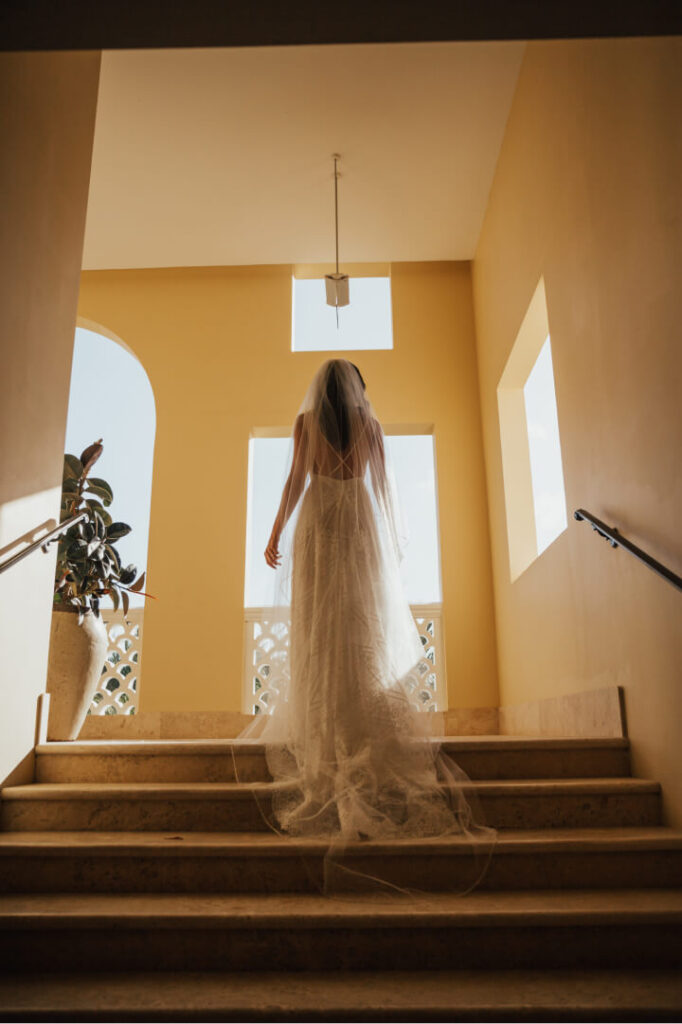
Plan for 60 to 90 minutes of photography during preparations. This is not only for detail images of the stationery, rings, attire, and flowers. It is also where some of the most intimate images happen: a parent seeing you dressed for the first time, friends sharing a glass of champagne, or a quiet pause before the day gathers momentum.
Choose a preparation space with natural window light and enough room to move comfortably. A cluttered hotel suite can make even the most beautiful morning feel visually busy, so consider setting aside one clear corner for portraits and important details. Have your dress, shoes, jewelry, fragrance, invitation suite, and heirlooms ready in one place when the photographer arrives.
Consider a first look for more freedom later
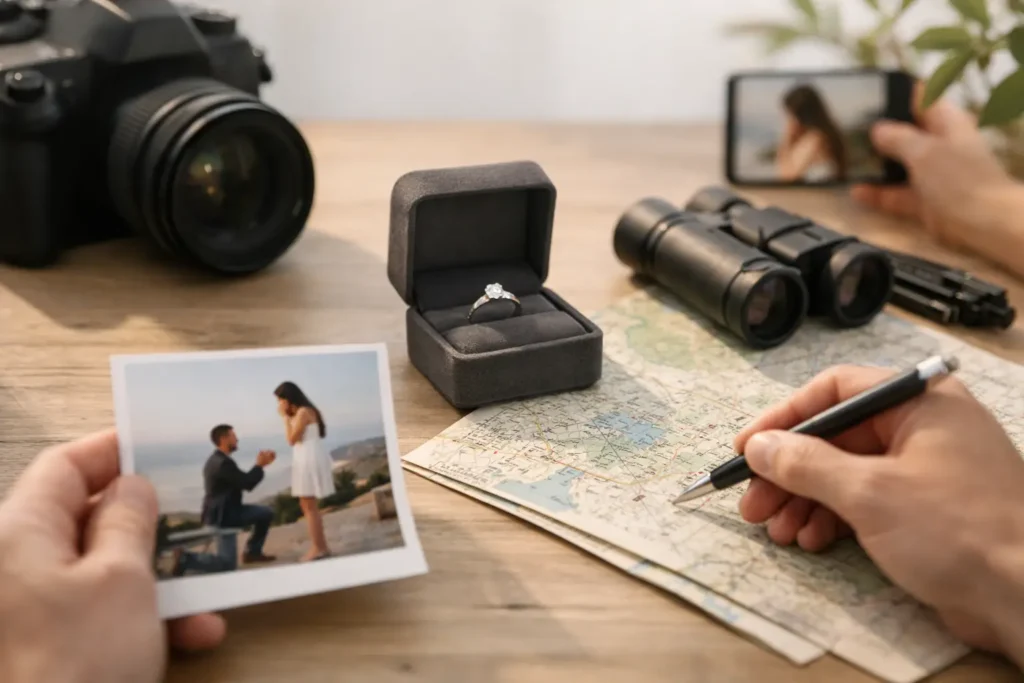
A first look is a private meeting before the ceremony, usually allowing 20 to 30 minutes for the moment itself and a few portraits afterward. It is never required. Some couples deeply value the tradition of seeing one another for the first time at the ceremony, and that anticipation can be extraordinarily moving.
The trade-off is practical. A first look can free up time for couple portraits, wedding party photographs, and even some family combinations before guests arrive. Without one, portraits are usually concentrated during cocktail hour. That can still work beautifully, particularly with a carefully chosen sunset window, but it means a more focused schedule after the ceremony.
Allow 20 to 30 minutes for family portraits
Family photographs deserve intention, not improvisation. Create a short list of essential groupings before the wedding and share it with your photographer. Keeping the list concise helps everyone remain present and prevents loved ones from being pulled away from cocktail hour for too long.
It also helps to appoint one family member from each side who recognizes the key people. They can gather relatives quickly while you stay relaxed. If older guests are involved, schedule their portraits early and provide a shaded or seated option whenever possible.
Protect at least 30 minutes for the two of you
Couple portraits do not need to involve constant posing. The most timeless images often come from simple direction, a beautiful setting, and the space to be together without an audience. Plan for at least 30 minutes, ideally in two shorter parts of the day.
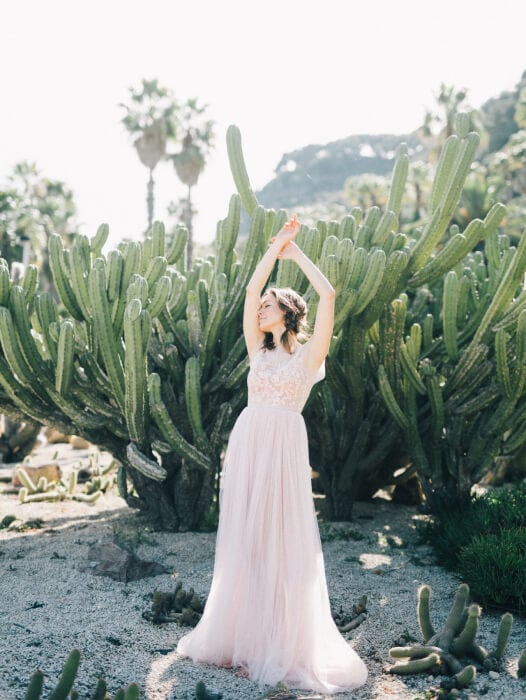
A brief session after the first look or ceremony can capture the architecture and energy of the venue. Then, reserve 10 to 15 minutes around sunset for softer, more atmospheric portraits. This second window is often where Portugal reveals its most romantic side: warm stone, vineyards catching the last light, Atlantic air, or the glow of an old city after the heat has lifted.
Keep cocktail hour for celebration, not just logistics
Cocktail hour is often where a wedding begins to breathe. If your formal portraits are efficiently planned, you can enjoy part of it with your guests rather than missing the entire hour. This is especially meaningful for couples hosting friends and family who have traveled internationally.
Photographically, cocktail hour is rich with unscripted moments: embraces, laughter, children at play, musicians beginning to perform, and the first sense that everyone has arrived together. Give your photographer freedom to document it rather than filling every minute with requested group photos.
Sample Timeline for a Sunset Ceremony
For a summer wedding with a 5:30 p.m. ceremony, a balanced photography schedule might begin with preparations at 2:30 p.m. A first look and pre-ceremony portraits could happen from 4:15 to 5:00 p.m., followed by a short pause before the ceremony. After the ceremony, allow 20 minutes for family photographs and wedding party images, then let cocktail hour begin.
Around 7:45 p.m., step away for 10 to 15 minutes of sunset portraits before returning to dinner. If speeches are planned outdoors, confirm that they will happen before daylight disappears or that the lighting design is flattering for photography. Evening images can be wonderfully cinematic, but only when there is enough intentional light to preserve the feeling of the moment.
Account for Portugal-Specific Timing Details
Destination weddings benefit from a little local awareness. In the Algarve, summer traffic and warm afternoon temperatures can affect travel between hotels, ceremony sites, and coastal venues. In the Douro Valley, winding roads and distances between estates may take longer than they appear on a map. In historic Lisbon or Porto, cobblestones, hills, and limited vehicle access deserve consideration if you are moving between locations in formal attire.
Seasonality matters, too. Portuguese summer light is generous, but midday can be intense. A shaded ceremony site, parasols for guests, and a few cool indoor minutes between portraits can make a substantial difference. During cooler months, the weather can be beautifully soft and atmospheric, although the shorter daylight window requires a more precise schedule and a flexible rain plan.
If your celebration includes a legal ceremony, religious service, or venue with fixed access times, start there and identify what cannot move. Then build photography around those anchors. A trusted local photographer can help you see the timing concerns before they become wedding-day stress.
Make Space for the Moments You Cannot Schedule
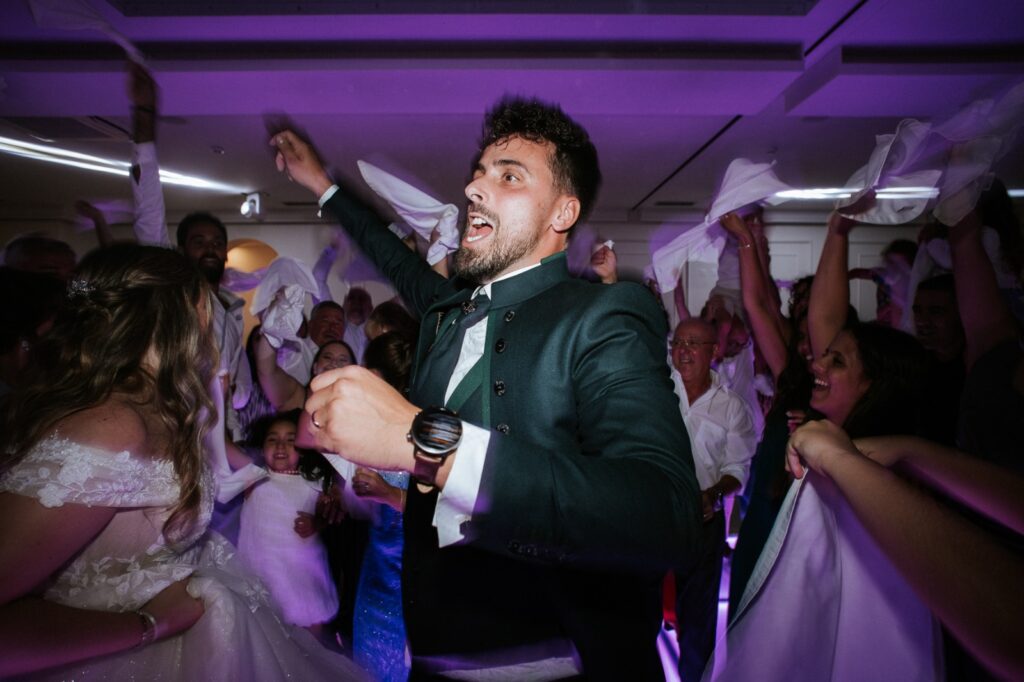
The most meaningful photographs are rarely the ones you can fully predict. They happen when your grandmother reaches for your hand during dinner, when your partner laughs halfway through a speech, or when everyone joins you on the dance floor without being asked twice.
That is why a strong timeline includes breathing room. Add five to ten minutes between major transitions, particularly before the ceremony, dinner entrance, and first dance. Delays are normal, and a schedule with no margin turns small changes into unnecessary pressure.
At Wedding Photographer Portugal, we encourage couples to think of their timeline as a way to protect their experience, not control it. Choose the moments that matter most, give them enough time, and let the rest of the day unfold with the people you love. Your photographs will carry not only how everything looked, but how it felt to be there.
Related Articles