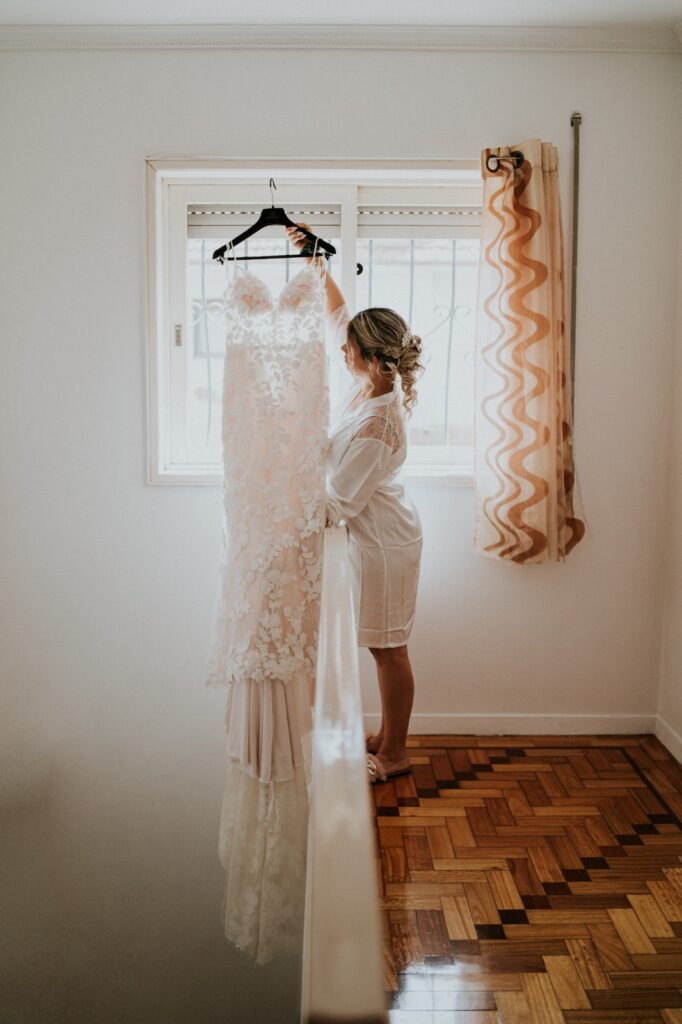
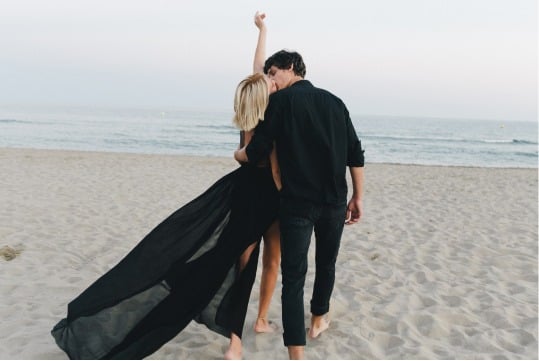
A destination wedding is never only about the view. It is about the quiet moment before the ceremony, the familiar voice that makes you laugh when nerves arrive, and the feeling of having your closest people together somewhere extraordinary. The most meaningful destination wedding photography trends for 2026 reflect that truth: couples are choosing images with atmosphere and artistry, but also with a sense of real life.
For couples planning from abroad, this shift is especially welcome. Portugal offers remarkable architecture, warm coastal light, vineyard landscapes, and historic cities, but beautiful surroundings should support your story rather than overpower it. The strongest photographs feel rooted in a place while still looking unmistakably like you.
Destination wedding photography trends: a move toward meaning
For several years, wedding imagery has been moving away from perfect, highly posed scenes and toward photographs that feel more personal. In 2026, that preference is becoming more refined. Couples still want elegant portraits and carefully considered compositions, but they also want the hand squeeze, the wind in a veil, the glance across a dinner table, and the joyful disorder of a crowded dance floor.
This is not a rejection of direction. Most people feel more comfortable with gentle guidance, particularly when they are in front of a camera on a significant day. The difference is in the approach. Rather than asking a couple to hold a pose that does not feel natural, a photographer may create a small moment – a walk, a private conversation, a simple prompt – and allow genuine connection to do the rest.
The result is polished without feeling rigid. It is a style that photographs beautifully now and will still feel honest decades from now.
Editorial detail, human energy
Editorial-inspired wedding photography remains popular, especially among couples drawn to fashion, design, and destination celebrations with a strong visual identity. The trend is less about imitating a magazine spread and more about bringing intention to the details: a beautifully chosen ceremony space, the texture of a dress, a table set at sunset, or an architectural frame around a portrait.
What makes this approach lasting is balance. A set of elegant, composed portraits can sit beside unguarded documentary images of your guests arriving, your parents watching the ceremony, or friends sharing a toast. Neither style has to compete with the other. Together, they create a wedding gallery with rhythm and emotional depth.
Film-inspired color with a natural finish
Couples are increasingly drawn to imagery that feels soft, dimensional, and slightly cinematic. This often means luminous skin tones, gentle contrast, true-to-life color, and a thoughtful use of shadow. The goal is not to make every location look the same. It is to preserve the mood of the day with a finish that feels cohesive and enduring.
In Portugal, light changes dramatically by region and season. Lisbon can offer bright, reflective afternoon sun against pale stone; the Algarve brings a softer coastal glow; Porto has rich textures and changeable Atlantic skies; the Douro Valley can feel golden and expansive near sunset. A natural edit honors those differences rather than applying a heavy preset that flattens them.
Film-inspired does not have to mean dark, desaturated, or nostalgic. Nor does timeless have to mean overly bright. The best choice depends on your venue, schedule, wardrobe, and the emotional tone you want your photographs to carry. A skilled photographer will help you find a visual direction that complements the setting while keeping faces and fleeting moments at the center.
Intentional quiet time for portraits
One of the most practical trends is also one of the most meaningful: couples are protecting a little time alone on the wedding day. This may be a first look in a quiet courtyard, ten minutes after the ceremony, or a short walk during cocktail hour while guests enjoy drinks and music.
These moments are not only for photographs. They create space to breathe, notice what has just happened, and be together before the celebration gathers pace. Portraits made in that calmer window often feel more intimate because there is no need to rush from one family group to the next.
This does not require disappearing for an hour. For many destination weddings, 20 to 30 well-planned minutes at the right time can be enough. Sunset is lovely, but it is not the only answer. A shaded garden, a tiled hallway, a terrace with open sky, or a quiet corner of your venue can be just as compelling, especially when the light and timeline are planned thoughtfully.
Place matters, but it should never become a prop
A destination is part of the story, and couples want to see it in their photographs. More than simply standing in front of a landmark, though, current destination wedding photography trends favor a stronger sense of place. That might mean the blue-and-white tiles of an old Lisbon street, the river mist in the Douro Valley, the movement of the Atlantic along the Algarve coast, or the intimate scale of a Porto townhouse.
The most beautiful location images are often made when the setting is experienced rather than performed. Walking toward dinner through a vineyard, stepping onto a balcony after getting ready, or embracing while guests gather below can tell us much more than a portrait designed only to prove where you were.
There is a trade-off to consider. Iconic viewpoints can be breathtaking, but they may involve travel time, crowds, wind, or restrictions on wedding-day access. Sometimes the most personal choice is to stay close to your venue and let the atmosphere unfold naturally. Local knowledge is invaluable here: it helps couples choose locations that are beautiful, practical, and appropriate for the pace of the day.
Flash photography returns for the celebration
Direct flash has become a favorite for receptions, after-parties, and late-night portraits. Used well, it brings energy, color, and a lively editorial feeling to photographs made after dark. It is particularly effective when the dance floor is full, candles are glowing, and formal portraiture is no longer the mood.
This is not the same as photographing every moment with harsh light. Flash works best as one part of a complete visual story. Natural light can carry the morning preparations and ceremony, while flash gives the evening a more spontaneous, celebratory character. A few intentional flash portraits can also become some of the most memorable images in a gallery.
If you love this look, tell your photographer early. The design of the reception, including ambient lighting, candles, reflective surfaces, and color palette, can influence how these images feel.
Smaller celebrations, fuller stories
Elopements and intimate destination weddings continue to shape how couples think about photography. With fewer guests and a slower schedule, there is often room for a more complete record of the experience: a morning coffee together, a boat ride, a walk through town, handwritten vows, or dinner under the stars.
Larger weddings are borrowing this sensibility, too. Even with a full guest list, couples are prioritizing experiences that feel personal over traditions included simply because they are expected. That gives wedding photography more room for story. The images become less about checking off a list and more about preserving the emotional texture of the day.
At Wedding Photographer Portugal, this is where thoughtful planning and unobtrusive observation meet. A clear timeline gives space for the photographs you care about, while a calm presence allows real moments to remain real.
Choosing trends that will still feel like you
A trend is useful only when it helps you recognize yourselves in your photographs. Before choosing a visual style, consider what you want to remember most. Is it the grandeur of the landscape, the closeness of your families, the energy of the party, or the softness of a private exchange? Your answer should guide the photography more than any image you have saved online.
Share your priorities with your photographer, along with the images you are drawn to and the ones that do not feel right. Be honest about whether you enjoy attention, whether you want extra time for portraits, and whether you care most about candid moments or a more editorial finish. Those details make it possible to create an experience that feels comfortable as well as beautiful.
The most lasting trend is simple: make room for the moments you would want to relive. When your photographs are built around genuine connection, thoughtful light, and a place that means something to you, they will remain beautiful long after styles have changed.