A photograph of your grandmother laughing during dinner may become one of the images you treasure most. So might the portrait where the two of you are finally still, framed by the warm stone of a Lisbon courtyard or the open vineyards of the Douro Valley. When couples ask about candid versus posed portraits, they are rarely choosing between two photographic styles alone. They are choosing how they want to remember the feeling of the day.
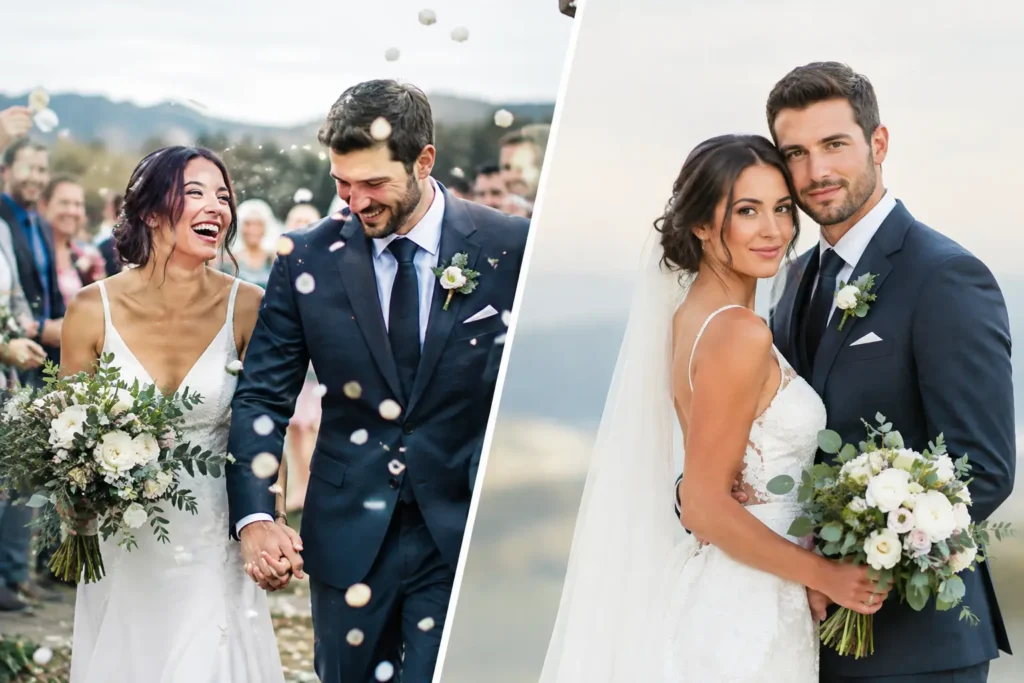
The most meaningful wedding galleries make room for both. Candid images hold the movement, surprise, and emotion no one could repeat. Gently directed portraits create space for connection and beauty when the pace slows down. The goal is not to force a choice. It is to find a balance that feels true to you.
Candid Versus Posed Portraits: The Real Difference
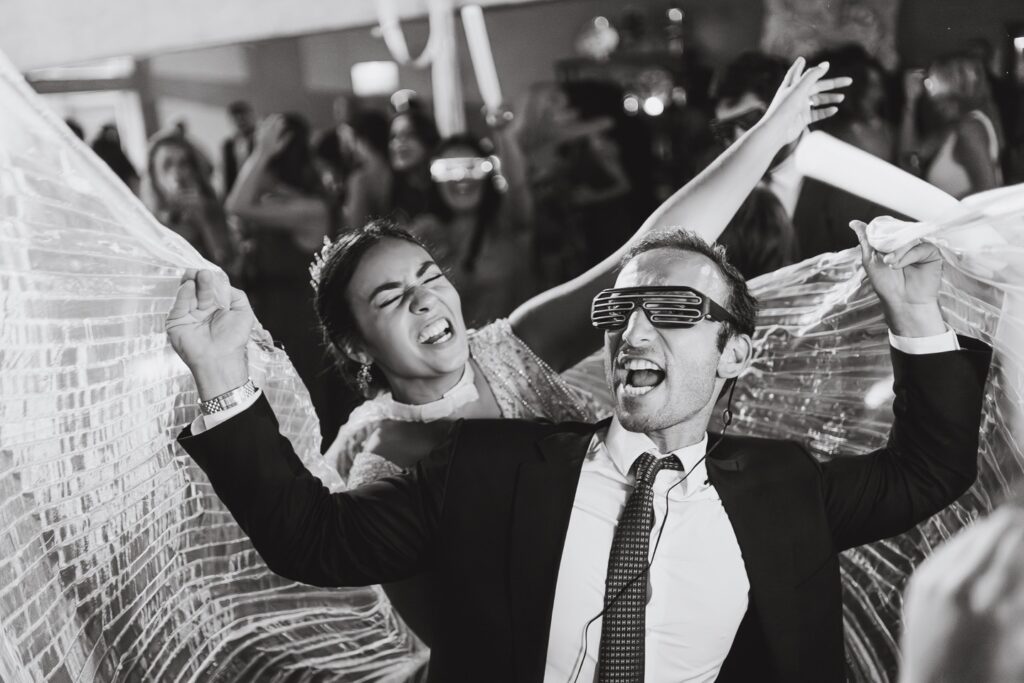
Candid photographs are made in the midst of real life. They may capture your partner taking a breath before the ceremony, friends reacting to a heartfelt toast, or the way your hands instinctively find each other in a crowded room. Nothing needs to be performed for these moments to matter. Their beauty comes from their honesty.
Posed portraits, at their best, are not stiff or overly arranged. They are intentional images created with gentle guidance: where to stand for flattering light, how to hold each other naturally, when to look toward the view, and when to simply forget the camera is there. A portrait can be carefully composed while still feeling entirely like you.
The difference is less about whether a photographer gives direction and more about what the image asks of you. A candid moment asks you to be present in the experience. A portrait asks you to pause within it. Both can be deeply personal.
Why You Do Not Need to Choose One Style
Many couples say they want only candid photography because they do not feel comfortable posing. Usually, what they mean is that they do not want images that feel unnatural. That is a very reasonable concern, especially when you are planning a destination wedding from afar and want every choice to reflect who you are.
But a fully documentary approach can leave little room for the portraits you may want to print, frame, or revisit decades from now. Your wedding day moves quickly. Without setting aside a small amount of time, you may not have a quiet photograph of the two of you together in the beautiful place you chose so carefully.
On the other hand, too much formal portrait time can pull you away from your guests and interrupt the rhythm of the celebration. The ideal approach often sits in the middle: attentive observation throughout the day, paired with a relaxed portrait session that gives you room to breathe.
A skilled photographer should know when to step back and when to offer reassurance. That sensitivity matters more than placing every hand perfectly.
What Natural Direction Actually Looks Like
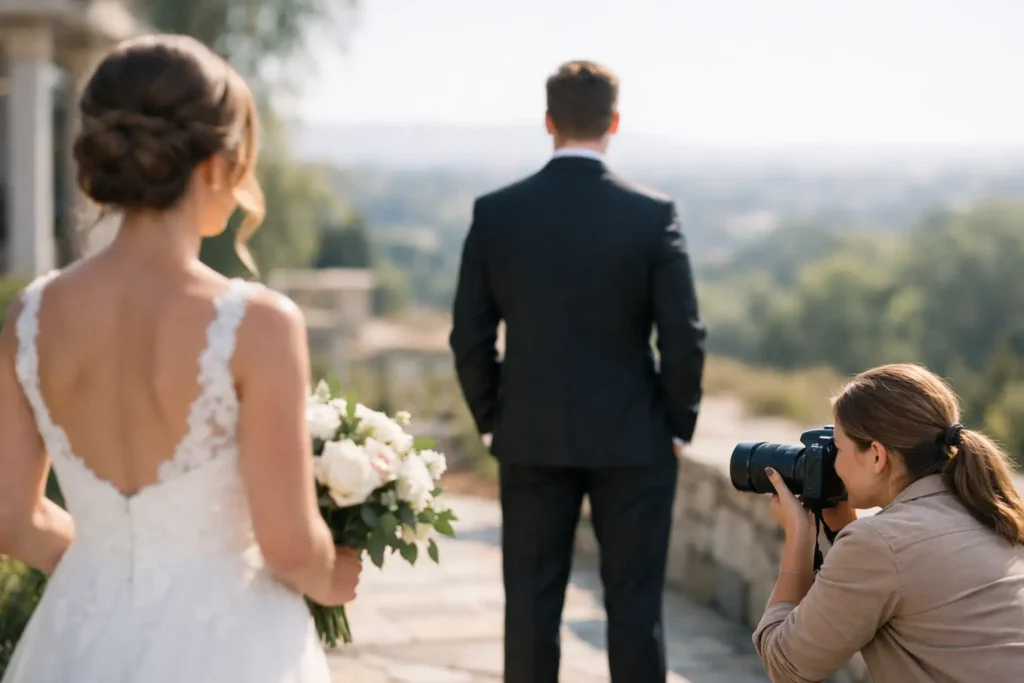
Natural-looking portraits are not created by leaving couples without any guidance. Most people are not expected to know what to do in front of a camera, nor should they be. The right direction is simple, unobtrusive, and based on real interaction.
Rather than asking you to hold an uncomfortable expression, your photographer might invite you to walk slowly together, tell each other what you are most looking forward to, or take a moment with your foreheads close. You are given something to do, not a role to play. Small adjustments to your position, posture, or the light can make an enormous visual difference without changing the feeling of the moment.
This is particularly valuable for couples who describe themselves as camera-shy. Comfort does not always arrive the instant a session begins. It grows when you realize there is no need to perform, and that a photographer is paying attention to the details that let you relax.
The Quiet Portraits Often Matter Most
Some of the strongest portraits happen in the few minutes after a ceremony, when the emotion is still close to the surface. Others happen at sunset, when the formalities are complete and you can step away together for a brief pause.
These are not necessarily dramatic, heavily styled scenes. They may be as simple as a hand at the waist, a shared laugh, or a quiet look that says more than a perfect smile ever could. The composition may be refined, but the connection should remain your own.
How Your Wedding Timeline Shapes the Gallery
Your photography style is influenced by your schedule as much as your aesthetic preferences. If a wedding timeline has no breathing room, portraits can feel rushed. If it includes a full hour away from the celebration, you may miss moments you would have loved to witness. Neither extreme is required.
For most weddings, a short, thoughtfully planned portrait window works beautifully. Around 20 to 30 minutes after the ceremony or close to sunset can be enough, particularly when the location has been chosen with care. Portugal offers extraordinary light and varied landscapes, but even the most beautiful setting needs time, privacy, and a calm pace to photograph well.
It is also wise to consider travel time between locations, summer heat in the Algarve, and the earlier sunsets of cooler months. A photographer with local experience can help create a plan that protects your time together while making the most of the surroundings.
Build In Space, Not Pressure
A useful timeline includes small margins. A delayed ceremony, an enthusiastic group of guests, or a veil caught by the wind should not derail the experience. When there is room to adapt, portraits feel like a welcome interlude rather than another obligation.
If you are worried about leaving guests during cocktail hour, consider doing a brief set of portraits earlier, then taking only ten minutes around golden hour. You will have variety in your gallery and still be present for much of the celebration. There is no single correct schedule, only the one that serves your priorities.
Choosing the Balance That Fits You
Start with the photographs you are drawn to emotionally, not only visually. Are your favorite images full of laughter and imperfect movement? Do you love a sweeping landscape with the two of you placed thoughtfully within it? Are family photographs especially important, or do you imagine most of your album focused on intimate moments?
Share these preferences openly with your photographer. It also helps to be honest about what makes you uneasy. Perhaps you dislike being watched, feel self-conscious about your hands, or worry that your partner will become impatient during portraits. These are normal concerns, and they can shape the approach in helpful ways.
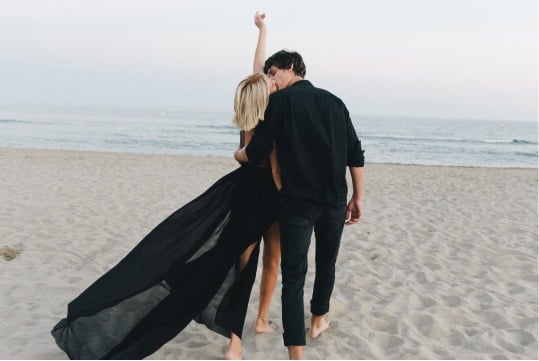
For an elopement or proposal, you may have more flexibility to create a longer, unhurried portrait experience. For a large wedding, the documentary side of the day may take greater priority. A multi-day celebration can offer the best of both: relaxed portraits during a welcome evening or day-after session, with the wedding day itself left open for spontaneous connection.
Family portraits deserve their own consideration. They are posed by necessity, but they do not need to feel formal or joyless. A clear list, good light, and efficient organization allow everyone to return quickly to the celebration. These images become more valuable with time, especially as families change.
Trust the Feeling Over the Formula
The most lasting photographs do not announce whether they were candid or posed. They remind you of how it felt to be there: the nervous anticipation, the relief after your vows, the beauty of being surrounded by people who love you, and the rare quiet of being alone together for a few minutes.
At Wedding Photographer Portugal, our approach is to protect those real moments while offering enough calm direction for portraits that feel elegant, effortless, and unmistakably yours. You should never have to choose between looking beautiful and feeling present.
When you picture your wedding photographs years from now, look for the images that make you pause. Those are often the ones where you can recognize not just how the day looked, but how deeply it was lived.
Related Articles

One comment on “Candid Versus Posed Portraits for Your Wedding”
[…] is a wonderful choice for couples who want photographs that feel personal rather than posed. A proposal can happen naturally during a stroll, followed by portraits through the neighborhood […]