A wedding gallery can be beautiful and still not feel like you. Perhaps the images are perfectly composed, but too polished for the relaxed celebration you imagine. Or perhaps they are candid and energetic, but you want a little more quiet elegance. To find photography style that feels right, look beyond trends and ask a more personal question: how do you want to remember the way your day felt?
Your answer will shape far more than the final photographs. It influences how present you feel, how much direction you receive, and the kind of connection you build with your photographer. For a destination wedding in Portugal, it can also affect the time of day you choose, the locations that suit you, and how your surroundings become part of your story.
Start With the Feeling, Not the Label
Terms such as editorial, documentary, fine art, and traditional can be useful shorthand, but they are not always used consistently. Two photographers may describe their work as documentary while offering very different experiences. One may photograph quietly from a distance; another may gently shape moments so they unfold beautifully in the light.
Begin with the emotional atmosphere you hope to see when you open your gallery years from now. Do you picture laughter during dinner, wind moving through your veil, and everyone gathered close? Do you love a refined image with intentional composition, or do you want photographs that feel spontaneous, imperfect, and full of movement?
Try saving images that make you pause, then notice what they have in common. The useful clues are often subtle: soft natural light, rich color, honest expressions, architectural backgrounds, close-up gestures, or a sense of calm. Your style is rarely one single category. It is usually a balance between the imagery you admire and the way you want to feel while it is being created.
Understand the Styles You Are Drawn To
Most couples do not need to select one style and stay within its boundaries. Still, understanding the differences helps you communicate clearly with a photographer.
Documentary photography
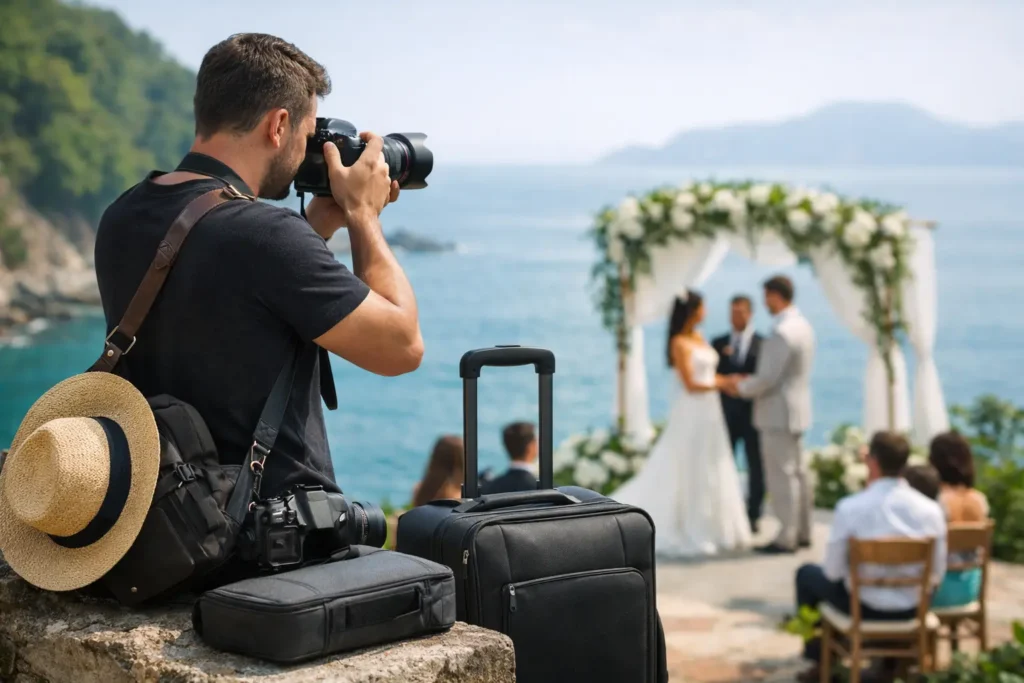
Documentary wedding photography centers on real moments as they happen. It notices the anticipation before a ceremony, a parent adjusting a sleeve, friends laughing during speeches, and the unplanned details that give a day its character. The strength is honesty. The trade-off is that not every image is highly directed or perfectly arranged.
Editorial and fine art photography
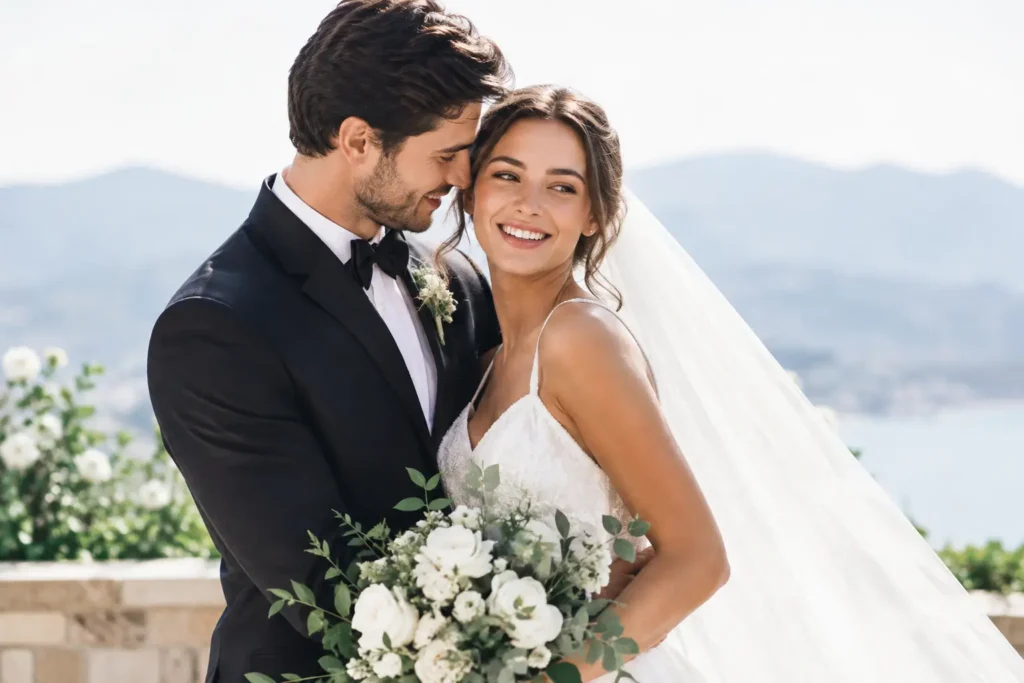
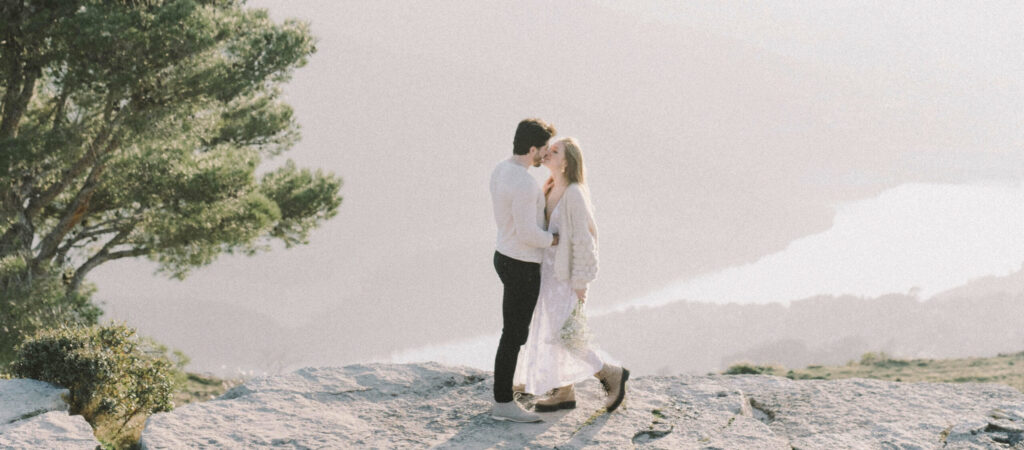
Editorial work tends to be polished, intentional, and visually composed. It often draws from fashion, design, and the beauty of a setting. Fine art photography may feel luminous, airy, romantic, or painterly, with thoughtful attention to light and detail. This approach can create striking portraits, but it generally asks for more time and guidance than a purely observational style.
Traditional photography
Traditional photography places greater emphasis on formal portraits, key events, and family groupings. It can be invaluable when family photographs matter deeply or when you want a clear record of everyone who shared the day. It does not have to feel stiff, but it does benefit from a simple plan and a photographer who can guide groups with warmth and efficiency.
A natural, story-led balance
Many couples are most comfortable with a blend: authentic coverage of the day, graceful direction when it helps, and portraits that never feel disconnected from who they are. This is especially fitting for destination celebrations. You can have space to be present with your guests while still setting aside time for images that honor the landscape, light, and intimacy of your chosen place.
Look at Full Galleries, Not Just Favorite Images
A photographer’s strongest portfolio images should inspire you, but a full wedding gallery tells you how they see an entire day. Ask yourself whether the photographs maintain their warmth in difficult light, busy rooms, and fast-moving moments. Notice whether family portraits feel organized, whether the ceremony is covered with sensitivity, and whether the reception images retain energy after sunset.
This matters because your wedding will not happen only during golden hour in an empty vineyard or along a quiet Lisbon street. There may be bright midday sun, rain, a crowded dance floor, or a ceremony that runs late. An experienced photographer knows how to protect the feeling of the images in changing conditions without making the day feel like a production.
As you review galleries, consider the editing as carefully as the composition. Are skin tones natural? Are colors consistent? Do black-and-white images feel purposeful rather than automatic? Timeless work is not colorless or cautious. It simply avoids editing choices that may distract from the people and emotions in the frame.
Notice How You Want to Be Directed
The right photography style is also an experience. Some couples feel most at ease when they barely notice the camera. Others appreciate gentle prompts because they are nervous about portraits or want a little help knowing what to do with their hands.
Neither preference is better. What matters is choosing someone whose approach gives you confidence. A thoughtful photographer can step back during meaningful moments, then offer clear, relaxed direction when the light is beautiful or when a portrait needs a little shape. The goal is not to make you perform. It is to create enough space for you to be yourselves.
When speaking with a photographer, ask how they approach portraits, family photos, and unexpected changes. Their answer should sound practical as well as artistic. You want to hear that they have a point of view, but also that they listen. Your wedding photographs should carry the photographer’s craft, not overwhelm your personality.
Let Your Location Support the Story
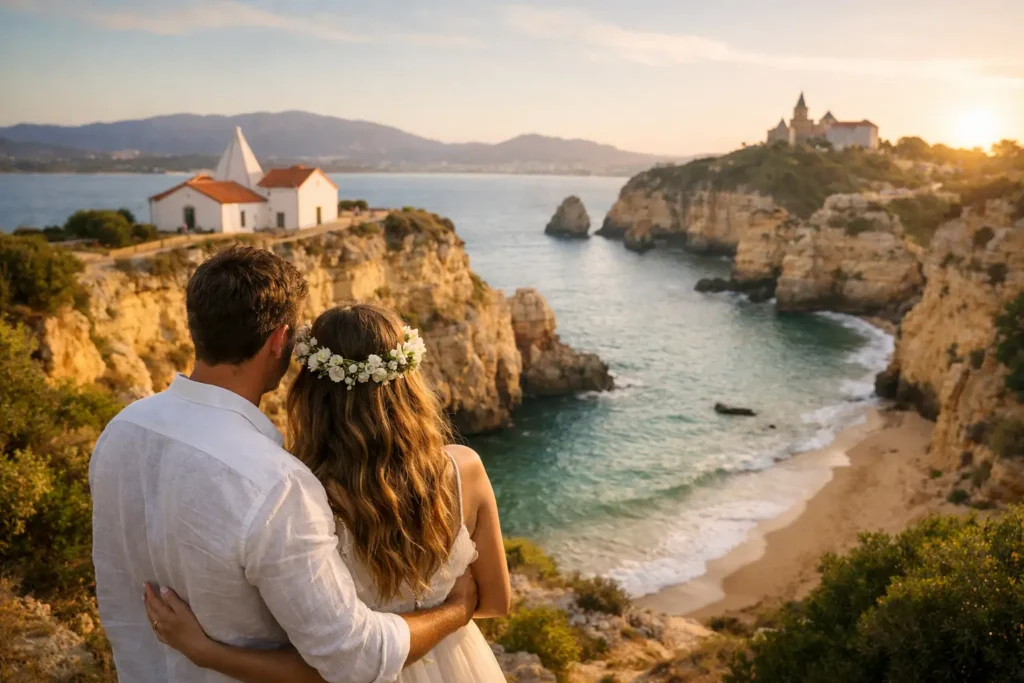
Portugal offers extraordinary variety, and each setting naturally lends itself to a different visual mood. The quiet grandeur of the Douro Valley may invite slower, cinematic portraits among vineyards and river views. Porto can feel textured, intimate, and full of old-world character. The Algarve often brings open skies, warm stone, and a sense of effortless escape.
But location should support your vision, not replace it. A dramatic view is memorable because of the people standing in it. If you are planning an intimate elopement, you may prefer a photographer who knows when to let the landscape breathe and when to move close enough to capture the emotion between you. For a larger celebration, you may need someone equally comfortable documenting atmosphere, relationships, and the rhythm of a full room.
Local knowledge is valuable here. The best light may arrive earlier than expected, a scenic viewpoint may be busiest at a certain hour, and a beautiful route may require more time than a map suggests. These details are part of creating photographs that feel unhurried.
Make a Shortlist Based on Trust
Once you know the feeling and visual qualities you want, narrow your choices to photographers whose work is consistently aligned with them. Then pay attention to the human side. Are their messages attentive? Do they ask thoughtful questions about your plans? Can they explain their process clearly without making promises that feel overly polished?
For couples planning from abroad, communication is part of the service. You should feel supported with timing, location ideas, and the practical decisions that make photography easier on the day. A calm, experienced presence can be just as valuable as a beautiful portfolio, particularly when you are bringing together travel plans, family, weather, and a celebration in a place that may be new to you.
At Wedding Photographer Portugal, the aim is never to place couples into a predetermined look. It is to understand the story they are bringing with them, then photograph it with honest emotion, elegant direction, and a lasting sense of place.
Give Yourself Permission to Choose What Feels Like You
You do not need to choose the style your friends chose, the style that appears most often on social media, or the style that seems most impressive in a single image. Your photographs will become more meaningful when the experience behind them feels comfortable and true.
Bring a few visual references to your photographer, but bring your real priorities too: the people you cannot wait to celebrate with, the moments you fear missing, the places that matter, and the quiet time you hope to share together. The right style begins there, in the details that are already yours. When you choose a photographer who understands them, the camera becomes less of a presence and more of a witness to something beautifully real.
Related Articles