A wedding day rarely unfolds in perfectly still moments. Your father may straighten his tie twice before seeing you. A sudden breeze may lift your veil on a cliffside in the Algarve. Your friends may dissolve into laughter during a toast that was meant to be serious. When couples consider wedding photojournalism versus posed portraits, they are really deciding how they want those moments to feel when they return to them years from now.
The good news is that this is not usually a choice between candid images or beautiful portraits. The most meaningful wedding galleries make room for both. What matters is understanding the role each approach plays, then choosing a photographer whose direction, timing, and sensibility make you feel entirely like yourselves.
What wedding photojournalism captures
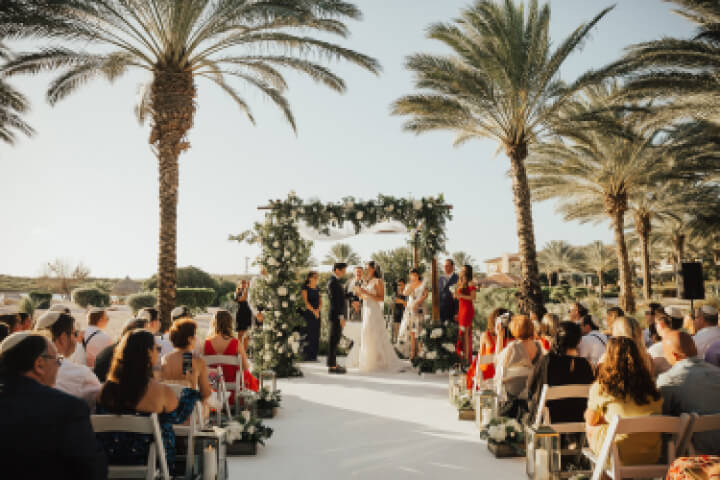
Wedding photojournalism is rooted in observation. Rather than arranging every scene, the photographer watches for the genuine exchanges that give a wedding its emotional texture: a hand held beneath the dinner table, the nervous breath before a ceremony entrance, a grandmother’s expression during vows, or the unplanned joy of a dance floor at midnight.
This approach is not passive. It takes experience to anticipate where a moment is about to happen, to read changing light, and to move quietly through a room without interrupting what is unfolding. The photographer is telling a story in real time, choosing details and gestures that reveal the feeling of the day.
For destination celebrations, photojournalism can be especially valuable. You have brought your favorite people to a place that may be new to many of them. The tiled courtyards of Lisbon, the river light in Porto, or a dinner among Douro Valley vines become part of the narrative not because everyone stops to admire them, but because they frame real connection.
The result often feels intimate and alive. You remember not only how everything looked, but also how it sounded, moved, and felt.
The strength of unscripted photographs
Candid images preserve the things you could not have planned. A flower girl falling asleep on a parent’s shoulder. Your partner’s reaction when they first see you. The way your guests lean closer during a heartfelt speech. These photographs are often the ones that become more precious over time because they hold emotion without asking it to perform.
Photojournalism also allows the day to breathe. Couples who value being present with their guests often appreciate fewer interruptions and less time spent being directed. You can enjoy the cocktail hour you carefully planned, linger over a hug, or take a quiet moment together without feeling that every minute belongs to the camera.
Where posed portraits belong
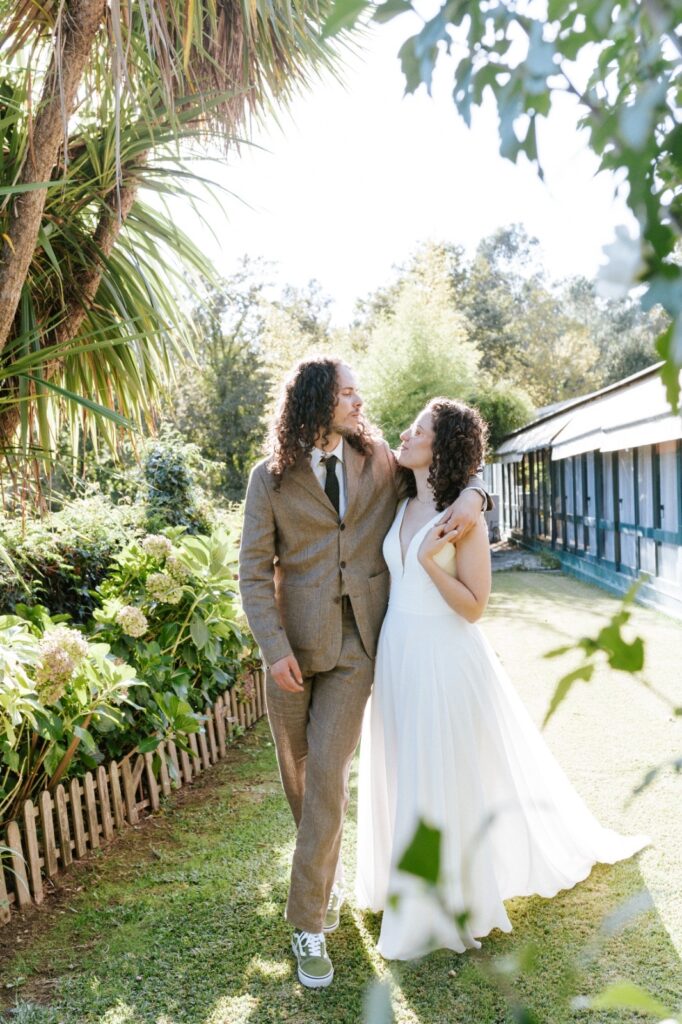
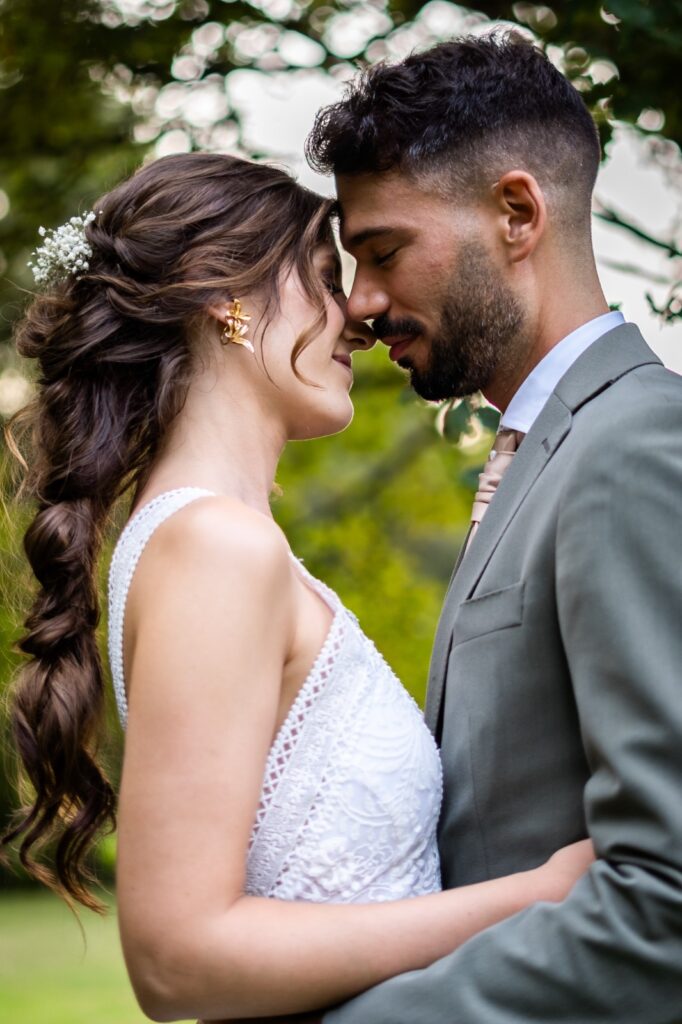
Posed portraits are not the opposite of authenticity. At their best, they are a considered pause within a fast-moving day. They create space for you to look at one another, settle into the landscape, and make images that honor the beauty of your wedding attire, your chosen setting, and the significance of the occasion.
The phrase “posed” can suggest stiff smiles and awkward hands. Thoughtful portrait direction is something else entirely. It may begin with simple guidance: where to stand for flattering light, what to do with your hands, how to walk together, or a small prompt that brings out a natural reaction. The final image can look effortless precisely because you were gently and confidently guided.
Formal family portraits also matter. While they may not carry the spontaneity of documentary photographs, they become part of a family record. A well-organized portrait session gives you a clear, elegant image with parents, siblings, grandparents, and the people who traveled far to celebrate with you. These are photographs that gain meaning across generations.
Why portrait time is worth protecting
Your wedding location deserves its own moment. Perhaps you chose a historic estate near Lisbon because of its architecture, a coastal venue for its open horizon, or the Douro Valley for its extraordinary layers of vineyards. A short portrait session at the right time of day lets that place become more than a backdrop.
Golden-hour portraits can also offer a welcome reset. After the ceremony, when emotions are high and the schedule has begun to move quickly, ten or fifteen quiet minutes together can feel surprisingly grounding. There is no need for a long production. Often, a small window with beautiful light is enough to create images with a calm, editorial elegance.
Wedding photojournalism versus posed portraits: the real trade-off
The trade-off is not between natural and unnatural photography. It is between different priorities at different points in the day.
A heavily documentary approach places maximum value on uninterrupted reality. You will have a gallery full of movement, connection, and unrepeatable details, though some groupings or fashion-forward images may be less polished if they are not intentionally planned. A portrait-led approach offers more control over composition, light, and posture, though it can require more time away from guests and a greater willingness to follow direction.
Neither is automatically better. A small elopement on a windswept Portuguese coast may invite a more relaxed, observational rhythm, with a few intentional portraits woven into the experience. A larger celebration with multiple generations may benefit from a clear family-photo plan and dedicated portrait time, while still allowing the reception to be documented honestly.
The question is not, “Do we want candid photos or posed photos?” Ask instead: “Which moments do we want to protect, and how do we want the day to feel while they are being photographed?”
How to choose the balance that feels like you
Begin with the images you return to instinctively. If you are drawn to photographs where people are mid-laugh, tearing up, dancing, or looking at one another rather than the camera, documentary coverage should be the heart of your day. If you love clean composition, cinematic scenery, and portraits where every detail feels intentional, reserve meaningful time for guided images.
Then consider your comfort level. Some couples feel most relaxed when they are barely aware of the camera. Others appreciate clear direction because it removes the uncertainty of what to do. There is no need to be naturally confident in front of a lens. A skilled photographer can give you enough structure to feel at ease without turning your wedding into a sequence of poses.
It also helps to think about the people you love. If a grandparent’s presence is deeply important, make time for a portrait with them early in the day, before energy and schedules shift. If your friends are central to the celebration, tell your photographer that candid guest images matter as much as formal moments. If you chose Portugal for its landscape, build a little daylight into the timeline rather than hoping the scenery will photograph itself after dark.
A balanced timeline makes better photographs
A calm timeline is one of the most generous gifts you can give yourselves. It creates room for honest moments and intentional portraits without rushing either.
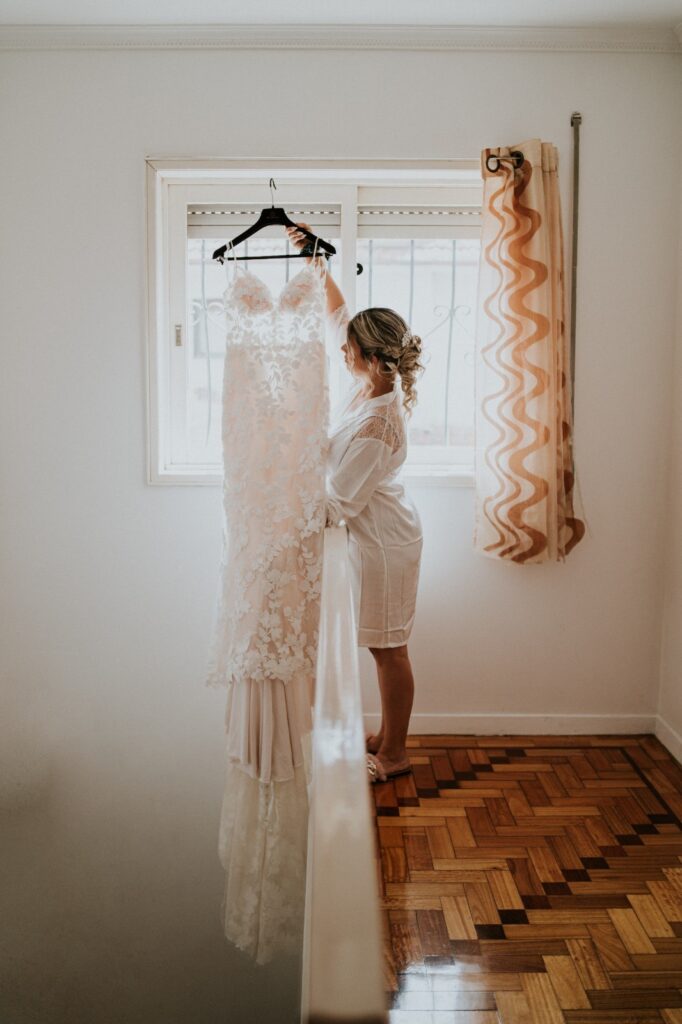
Allow extra time for getting ready, especially if your venue has multiple locations or you are navigating a destination schedule. Keep family portraits focused by preparing a short list in advance. Plan a brief couple’s session around the best available light, then return to your guests. When there is breathing room, the photographs feel less managed because the day itself feels less managed.
At Wedding Photographer Portugal, the goal is never to pull you away from your own celebration for longer than necessary. It is to offer calm direction when it serves the image and then step back when the story belongs to the moment.
What to ask before booking your photographer
A portfolio can tell you a great deal, but ask to see full wedding galleries as well as highlight images. Look for consistency in challenging situations: dim interiors, midday sun, fast ceremonies, emotional family moments, and crowded dance floors. Beautiful portraits are meaningful, but they should be supported by a complete story.
Ask how the photographer approaches family formals, how much direction they offer during couple portraits, and how they handle unexpected weather or a timeline running late. Their answers should make you feel reassured, not boxed into a rigid formula.
Most of all, pay attention to whether their work lets people look like themselves. The best photographs can be refined and artful while still carrying the particular warmth, humor, tenderness, and energy that belong only to your celebration.
Your wedding photographs do not need to choose between the quiet tear and the breathtaking portrait. Give yourselves permission to have both: the unguarded moments you never saw and the intentional images that let you pause, look at each other, and remember exactly why you chose this day.
Related Articles