A wedding gallery is not meant to feel like a receipt with a number at the bottom. It is the visual memory of a day that moved quickly: the deep breath before the ceremony, your parents seeing you ready, the light on the hills of the Douro Valley, the laughter that breaks out during dinner. Still, when couples ask how many wedding photos delivered they can expect, they deserve a clear and honest answer.
For most full wedding days, a thoughtfully edited gallery often falls somewhere between 500 and 900 final images. Smaller celebrations may receive 200 to 400 photographs, while an extended celebration with multiple events, two photographers, or a large guest count may naturally result in 1,000 or more. The meaningful answer, however, is never only a number. It is about the shape of your day, the moments that matter most to you, and the care taken to select images you will genuinely want to return to.
How Many Wedding Photos Delivered Depends on Coverage
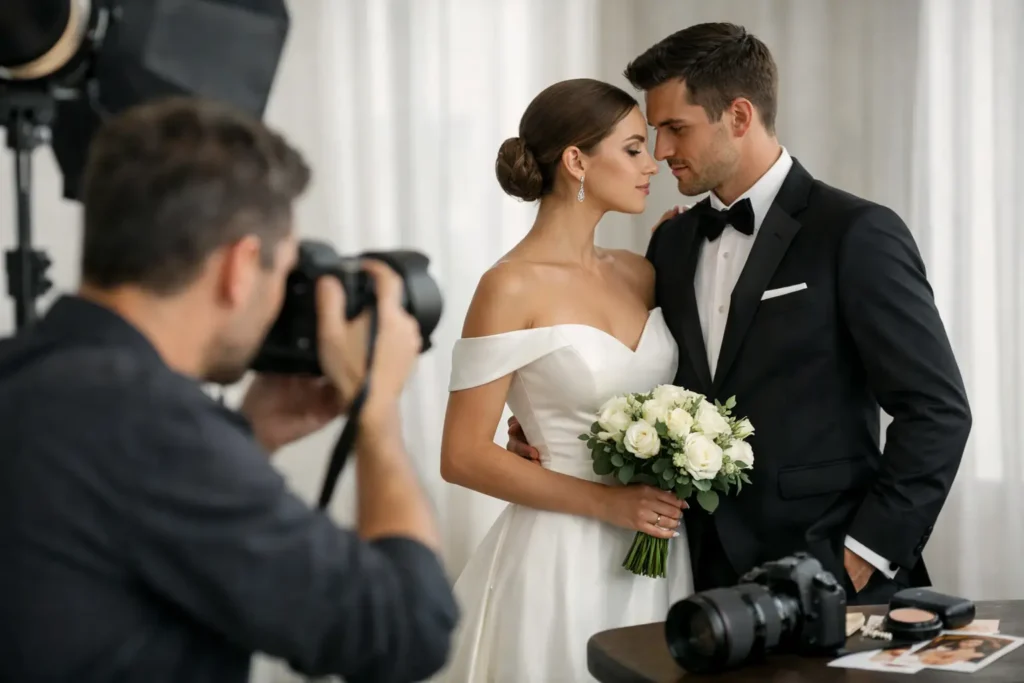
Photography coverage is one of the clearest factors behind gallery size. A two-hour elopement and a 12-hour destination wedding cannot be measured by the same expectation. More time gives space for more chapters: getting ready, a first look, family portraits, the ceremony, cocktails, dinner, speeches, sunset portraits, and the energy of the dance floor.
As a general guide, couples can expect roughly 50 to 80 carefully finished images per hour of coverage. This is not a promise that every hour produces the same number of photographs. A quiet morning spent getting ready may offer fewer distinct scenes than a lively cocktail hour with hugs, toasts, and guests arriving from around the world. But it provides a useful starting point when comparing photography collections.
A six-hour wedding may receive approximately 350 to 500 images. For eight to ten hours, 600 to 800 images is common. A full-day celebration can go beyond that range, especially when there are meaningful preparations, cultural traditions, or a celebration that continues late into the evening.
The goal is not to photograph every second. It is to preserve every part of the story that deserves to be remembered.
Why More Photos Are Not Always Better
It is easy to assume that a larger gallery automatically means better value. Yet an enormous collection can become difficult to experience. Near-identical frames, repeated guest groupings, and images captured between meaningful moments can dilute the emotional rhythm of the day.
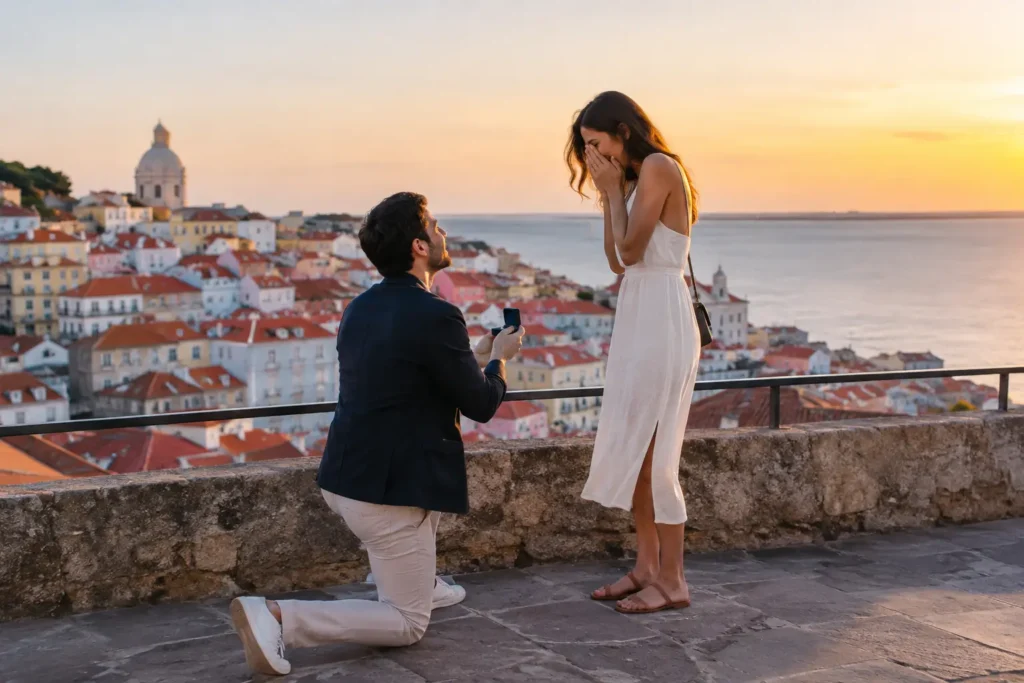
A refined wedding gallery has pacing. It includes the wide image that places you in a historic Lisbon courtyard, the close-up of hands finding each other during the ceremony, the expressions of friends during a speech, and the small details you may not have noticed at all. Each photograph should contribute something new: a feeling, a connection, a sense of place, or a detail of the celebration you chose so carefully.
Editing is part of the artistry. It is not simply removing blurry photographs. It is the thoughtful process of choosing the strongest expression from a sequence, balancing portraits with candid moments, and creating a collection that feels complete without becoming repetitive.
For couples who value natural, emotional photography, this curation matters. You want to remember how the day felt, not sort through hundreds of almost identical versions of it.
The Details That Shape Your Final Gallery
No two weddings produce the same number of final images, even with identical coverage. Your timeline and celebration style both play a part.
A wedding with a relaxed morning, private vows, a first look, and a long cocktail hour creates many opportunities for honest, unhurried storytelling. A tightly scheduled day with travel between venues may have fewer photographed moments, though it can still result in a beautiful, complete gallery. The number of guests matters too. A 20-person elopement naturally has fewer individual interactions than a 180-person celebration, while often offering more space for intimate portraits and meaningful family connections.
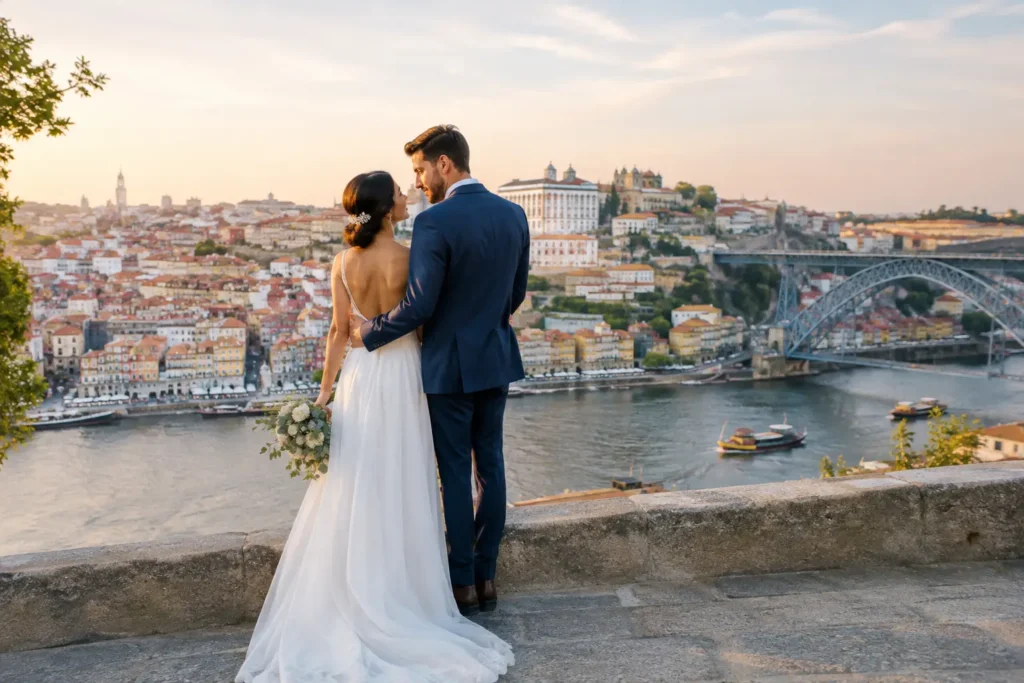
Location also has an influence. Portugal offers remarkable visual variety, from Porto’s textured streets to the Algarve’s coastal cliffs and the vineyard terraces of the Douro Valley. When a location is part of your wedding experience, a photographer may create establishing images, landscape portraits, and quiet in-between frames that give your gallery a strong sense of place. These images are not filler. Years from now, they help bring you back to the journey you made to celebrate together.
A second photographer can also increase both the number and range of photographs. While one photographer is documenting your walk down the aisle, another may capture your partner’s reaction, the tears of your family, or a wider view of the ceremony. This is especially valuable for larger weddings or timelines happening in more than one place at once. It is not necessary for every celebration, but it can add depth to a fast-moving day.
What Should Be Included in a Complete Wedding Gallery?
Rather than focusing only on the final count, consider whether the gallery will tell the full story. A complete collection usually includes the atmosphere of the venue, details that carry personal meaning, preparations, portraits, ceremony moments, family and friend interactions, celebrations, and the quieter emotions between them.
The balance should reflect you. Some couples care deeply about documentary moments with loved ones and prefer only a short portrait session. Others have planned a dramatic venue and want time set aside for editorial, artful images together. Neither approach is more correct. Sharing these priorities before the wedding helps your photographer make thoughtful choices throughout the day.
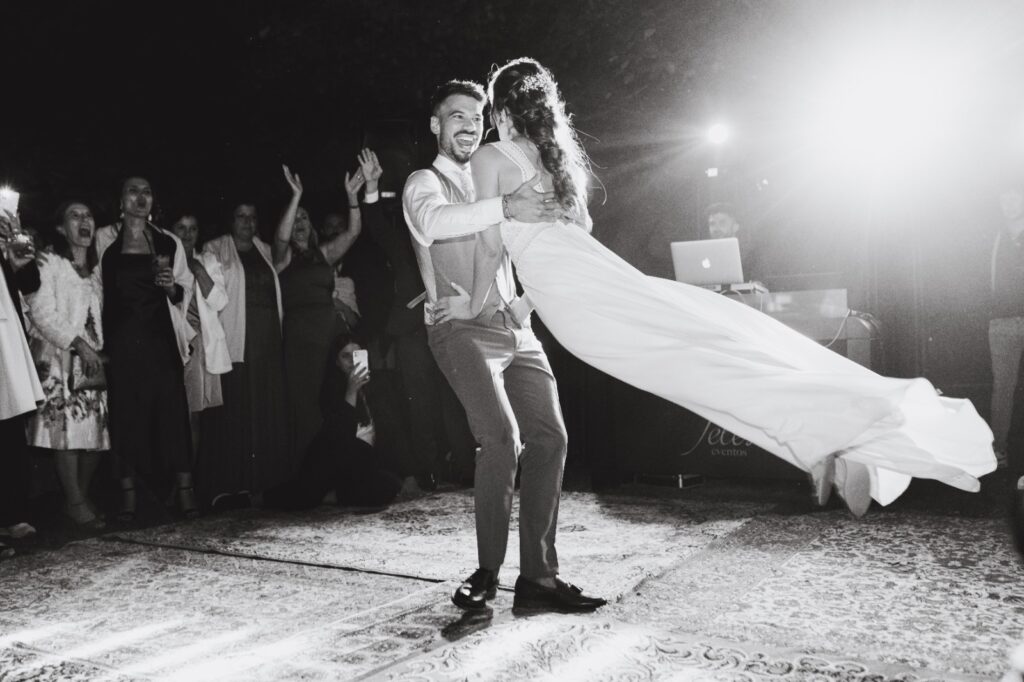
It is also worth remembering that not every meaningful moment is loud or planned. A mother adjusting a veil, a friend squeezing your hand before dinner, or the pause after you have just been announced as married can become some of the photographs you treasure most. An experienced photographer watches for these moments while also guiding the necessary parts of the day with calm confidence.
Questions to Ask Before You Book
A contract should state a minimum number of final edited images or give a realistic range based on coverage. This provides reassurance while leaving room for the natural variation of real weddings. Be cautious with guarantees that sound unusually high but say little about editing, delivery, or the photographer’s approach to curation.
Ask whether your images will be individually edited, how long delivery typically takes, and whether you will receive high-resolution files for printing. You may also want to ask how the photographer handles family portraits, whether a second photographer is recommended, and how they approach unexpected weather or a delayed timeline.
Most importantly, look closely at full galleries, not only highlight images. A portfolio can show beauty; a full wedding gallery shows consistency. It reveals whether the photographer can tell a story across changing light, different parts of the day, and the real, imperfect movement of a celebration.
Set Expectations Around Feeling, Not Just Quantity
The right gallery size is the one that lets you relive your wedding without asking you to search for the heart of it. A collection of 600 intentional images can hold more meaning than 1,500 photographs delivered without discernment. Equally, an intimate elopement with 250 images can feel wonderfully abundant when every image carries a memory.
At Wedding Photographer Portugal, we believe your photographs should feel as personal as the promise you made. The final gallery should hold the grand scenery, the elegance of your celebration, and the genuine expressions that cannot be recreated. When you choose a photographer whose work and approach feel aligned with your story, the number becomes less of a mystery and more of what it should be: a beautifully complete record of your beginning.
Related Articles