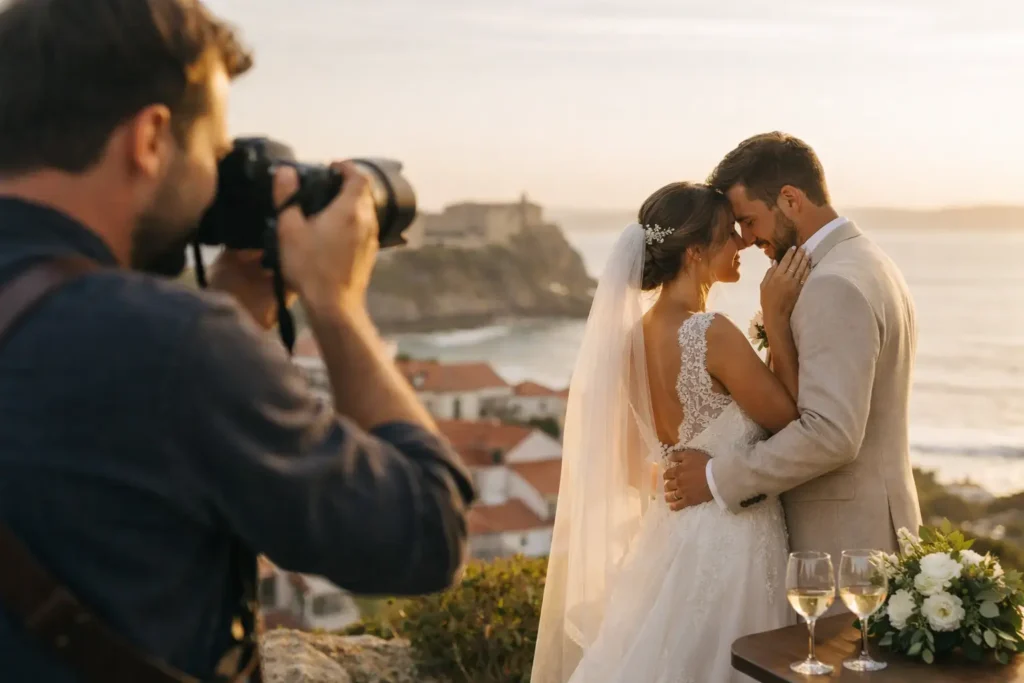
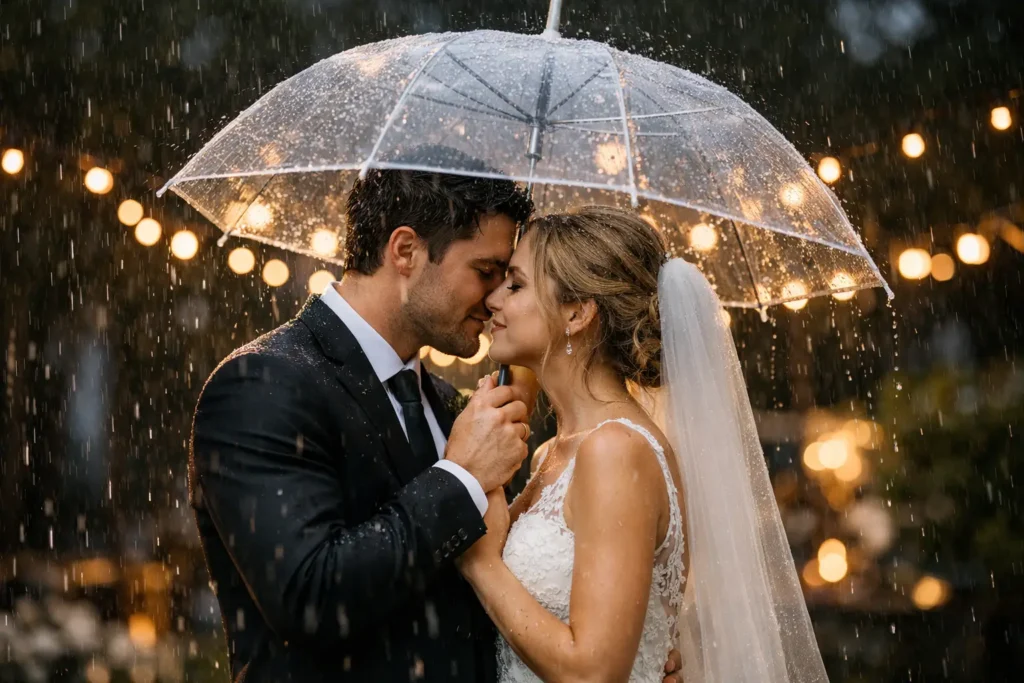
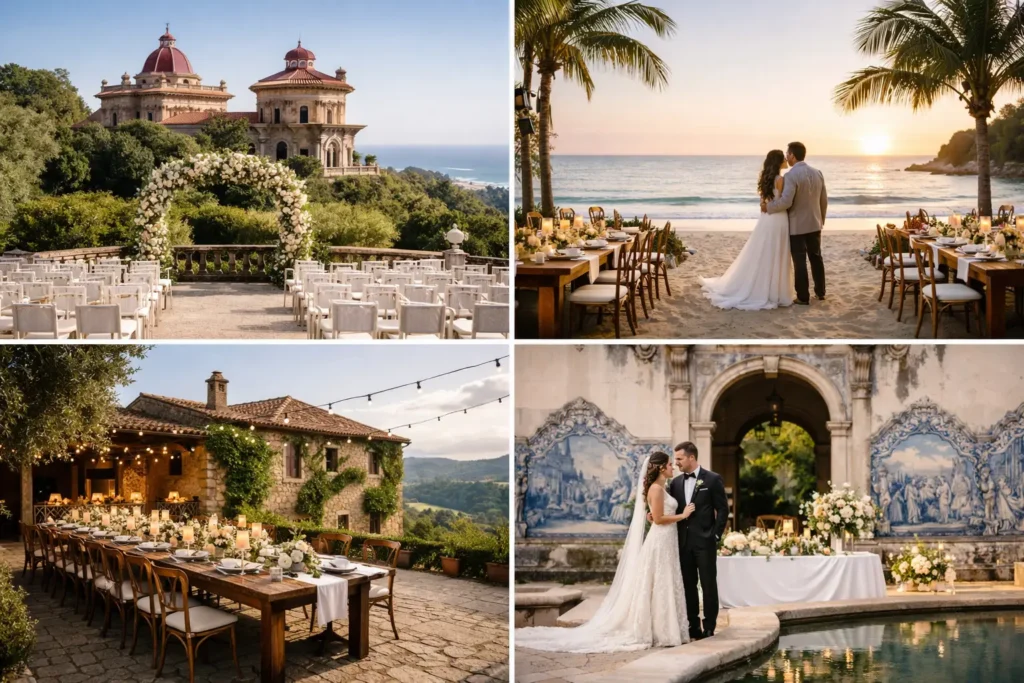
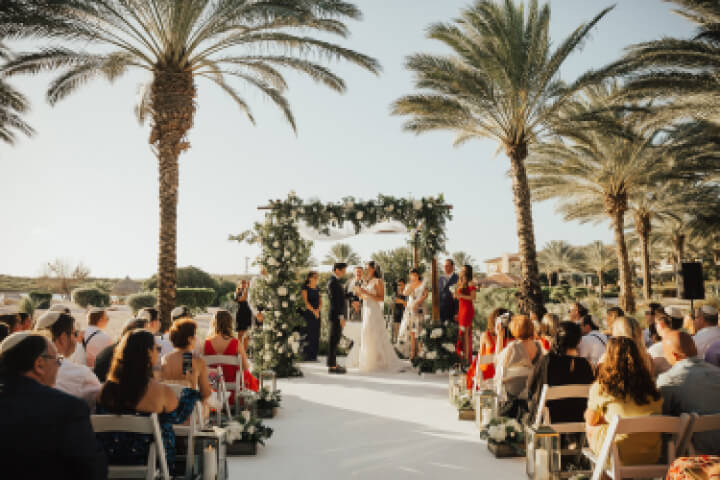
A vineyard has its own rhythm: rows of vines drawing the eye toward the horizon, warm stone underfoot, glasses catching the late-afternoon light. Vineyard wedding photos are most beautiful when they honor that atmosphere without letting the setting take over the story. The landscape should feel like a meaningful part of your day, while every image still leads back to the two of you.
For couples planning a celebration in Portugal, a vineyard can offer remarkable variety in one place: ceremony views, textured architecture, quiet paths for portraits, and a dinner setting that grows more intimate as daylight fades. The key is not trying to photograph every beautiful corner. It is creating enough space to feel present in the ones that matter most.
Why Vineyard Wedding Photos Feel So Timeless
Vineyards naturally create order and softness at once. Their repeating lines bring structure to wide photographs, while leaves, grasses, old walls, and changing light add movement and texture. This is why they work beautifully for photographs that feel editorial yet still relaxed.
They also invite a slower pace. Rather than moving between separate city locations, couples can often experience their ceremony, cocktail hour, portraits, and dinner within a single estate. That continuity shows in the photographs. You are not constantly arriving somewhere new or watching the clock. You are living one unfolding day.
In the Douro Valley, for example, steep terraced vineyards and the river create a dramatic sense of scale. Other wine estates may feel more secluded, with olive trees, courtyards, or historic cellars adding a quieter kind of romance. Neither is inherently better. The right setting depends on whether you imagine your wedding photographs feeling expansive and cinematic or intimate and understated.
Plan the Light Before You Plan the Portraits
Light changes quickly among vines, especially where hills, estate buildings, and tall trees create pockets of shade. A beautiful vineyard is not automatically beautiful at every hour, which is why a thoughtful timeline matters as much as the location itself.
The ceremony hour shapes the whole gallery
For outdoor ceremonies, direct midday sun can create strong shadows across faces and make guests uncomfortable. If your schedule allows, choosing a later ceremony often creates a gentler visual flow from vows into portraits and cocktail hour. A shaded ceremony site can also work wonderfully earlier in the day, particularly if its background remains clean and luminous.
There is always a trade-off. A late ceremony offers softer light, but it may leave less time before dinner. An earlier ceremony creates a more unhurried afternoon, but you may want to step away briefly during golden hour for a second portrait session. This is often the best balance: enjoy the day with your guests first, then take 15 to 20 quiet minutes together when the light is at its most flattering.
Golden hour is a feeling, not a rule
Golden hour is loved for good reason, but it should never become a rigid performance. Some days are overcast, some vineyard valleys lose the sun earlier than expected, and some couples would rather stay at their dinner table than leave during speeches. A skilled photographer can make beautiful images in each situation by reading the available light and choosing the right backdrop.
What matters most is reserving a small pocket of time when you can breathe together. Walk slowly. Let your hands find each other. Look out across the vineyard, share a private thought, or simply enjoy the fact that the planning is over and you are married. Those natural pauses often become the photographs you return to most.
Choose Details That Belong in the Landscape
The most elegant vineyard celebrations tend to feel connected to their surroundings rather than decorated against them. This does not mean everything must be rustic. A refined black-tie celebration can look extraordinary among vines and stone, just as a relaxed al fresco dinner can feel deeply considered.
Think about color, texture, and scale. Soft ivory, olive, faded rose, warm neutrals, deep burgundy, and muted blue often sit beautifully within a vineyard palette. Floral designs with movement photograph especially well outdoors, while crisp linen, candlelight, and glassware add a sense of occasion after sunset.
Avoid choosing details only because they look good in a single inspiration image. A long veil may be breathtaking in an open terrace with a gentle breeze, but less practical on a narrow gravel path. Delicate heels may suit a ceremony platform, yet a second pair of shoes can make portraits in the vines far more comfortable. The best choices protect both the visual experience and your ability to enjoy it.
Create Space for Honest Moments
Beautiful wedding photography does not require you to perform happiness all day. In fact, the strongest images often happen when there is no instruction at all: a parent adjusting your sleeve, friends laughing during aperitifs, the glance you exchange before walking into dinner, or the moment your partner reaches for your hand beneath the table.
A calm photography approach makes room for these moments. Gentle direction is useful during portraits, especially if being photographed feels unfamiliar. You may be asked to stand where the light is flattering, walk together along a row of vines, or turn toward each other. But the goal is never to make you look like someone else. It is to give you enough ease and guidance that your connection can show naturally.
This is particularly valuable at destination weddings, where couples are often navigating a new language, a new venue, and a full weekend of guests. When your photographer understands the setting and has a clear plan, you do not need to carry those decisions on the day.
A Vineyard Wedding Photography Timeline That Breathes
A generous timeline does more for your photographs than adding more poses ever could. Build in travel time if you are getting ready away from the estate, allow a few minutes for family portraits before guests are eager to begin cocktail hour, and consider how far it is from the ceremony site to the dinner terrace.
If you are planning a first look, a vineyard offers privacy without requiring a second location. A quiet garden path, an old doorway, or a view over the vines can give you a meaningful moment together before the ceremony. It can also make the portrait portion of the day feel less rushed. If you prefer to see each other at the aisle, that choice is equally meaningful. In that case, schedule a little more time after the ceremony and protect a short golden-hour window later on.
Ask your venue about sunset timing, vehicle access, and any areas of the property that may be off-limits during harvest. Harvest season can be especially atmospheric, with rich color and a sense of activity in the air, but it may also mean busier paths and more practical restrictions. These details are not obstacles. They simply help shape a plan that feels effortless once the day arrives.
The Moments Worth Remembering After Dark
A vineyard does not stop being photogenic when the sun disappears. Dinner beneath string lights, candlelit toasts, a doorway glowing from inside the estate, and a lively dance floor all bring a different kind of intimacy to the story.
Consider how your lighting design will feel in photographs. Warm, layered light is often more flattering than a few harsh floodlights. Candles should be plentiful enough to register on camera, and if your dinner is outdoors, the lighting should reach faces as well as tabletops. Your photographer can work with the atmosphere, but thoughtful lighting gives the evening images depth and warmth.
Most of all, let the day be yours. The vines, the view, and the carefully chosen details will create a beautiful frame. The lasting photographs will come from the way you hold each other, the people who traveled to celebrate you, and the quiet certainty that this place became part of your story.