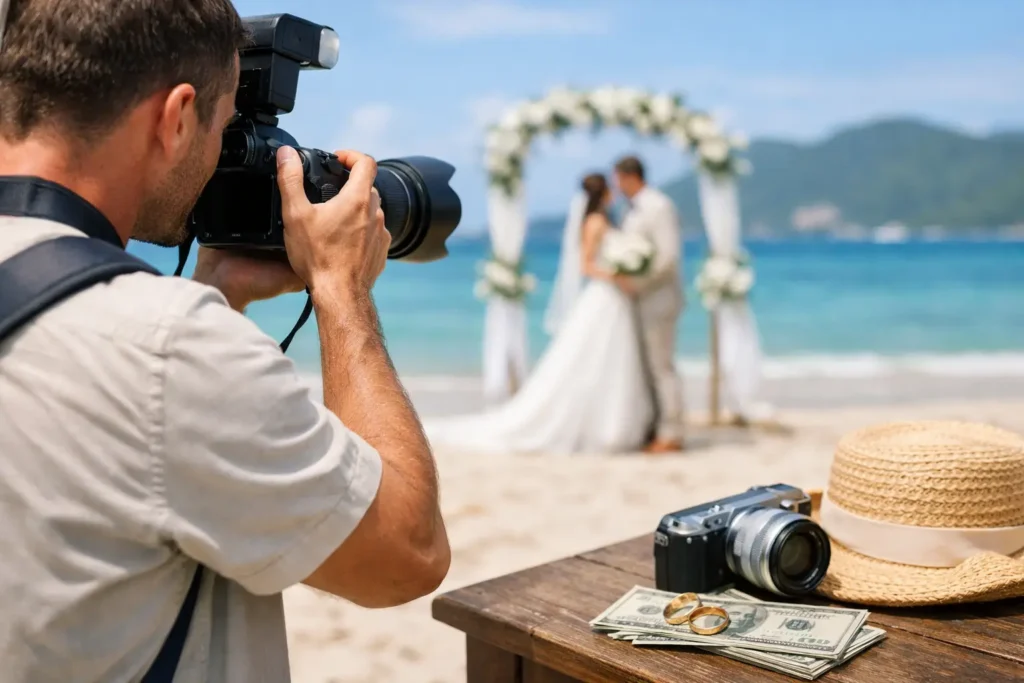
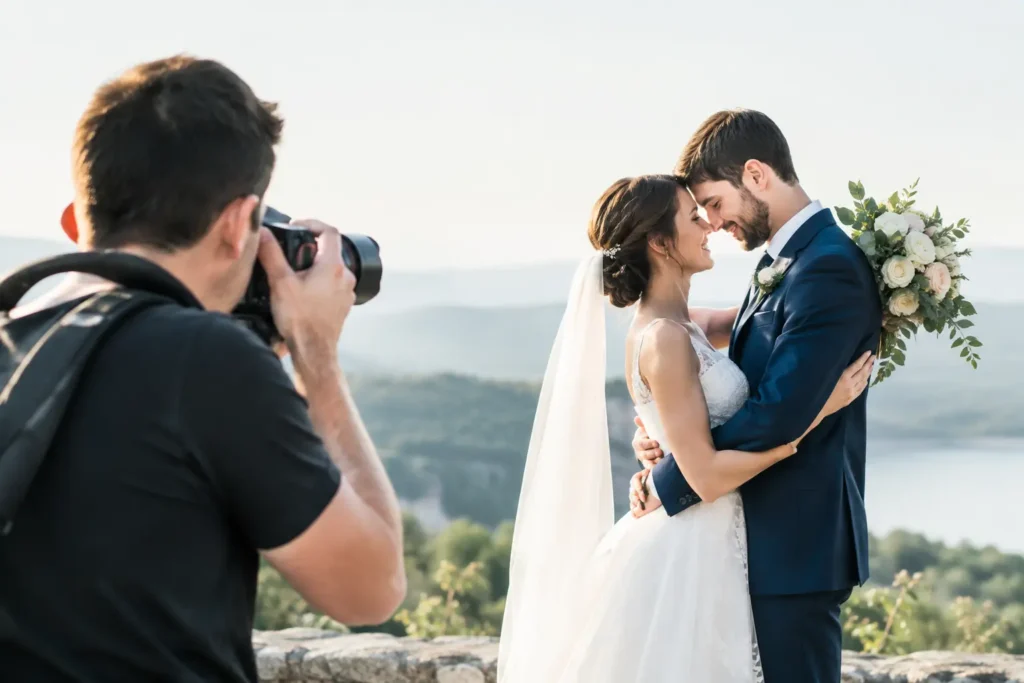
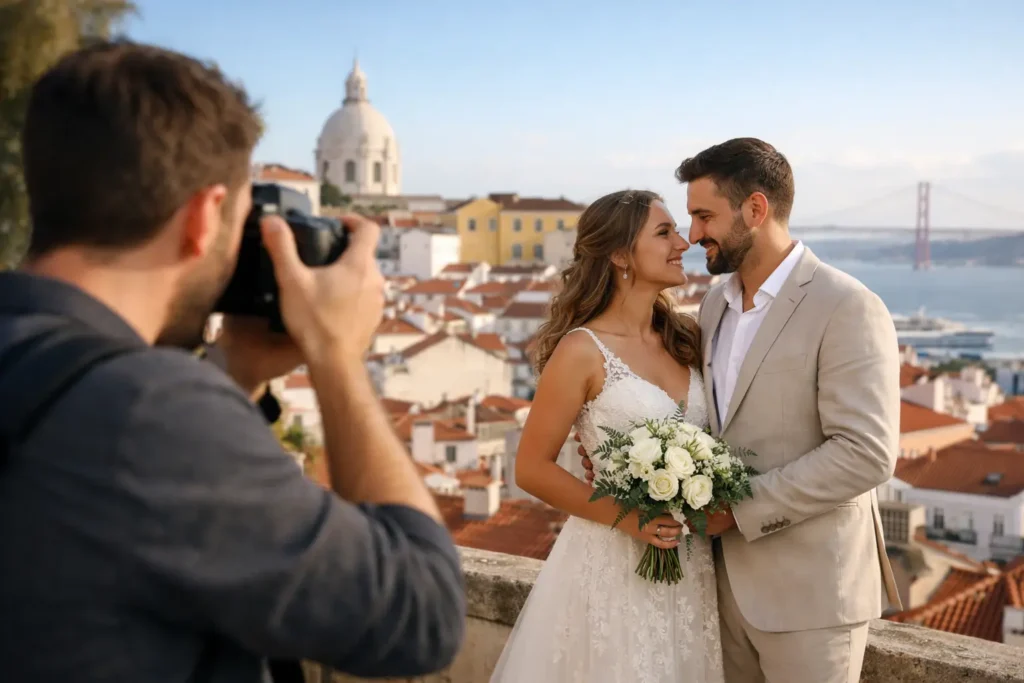
A hand reaches for another under the dinner table. Your mother pauses at the doorway before the ceremony. Friends dissolve into laughter during a toast they will probably never repeat exactly the same way. These are the photographs couples often remember most. But can photographers capture candid moments while remaining present enough to document a wedding with care? Absolutely – though it takes far more than standing quietly in a corner.
Natural photographs come from attention, anticipation, and a relationship in which you feel comfortable being yourselves. The best candid work is not accidental. It is created through thoughtful preparation and a photographer’s ability to recognize when real emotion is about to unfold.
What a candid wedding photograph really means
A candid image is not simply a photograph taken without asking someone to smile. It is an image that feels emotionally true. You may be looking directly at the camera, walking toward your ceremony, or holding your partner close after a little guidance. If the expression, movement, and connection are genuine, the result can still feel wonderfully unforced.
This matters because weddings contain both spontaneous and structured moments. Your first look may be planned. Family portraits need organization. A ceremony follows a schedule. Yet within those moments are glances, nerves, tears, laughter, and the small gestures that reveal your relationship. A skilled photographer watches for those layers rather than treating the day as a sequence of poses.
For destination celebrations especially, candid photography also tells the fuller story. It preserves the atmosphere of a Lisbon courtyard at sunset, a joyful walk through Porto, or the quiet scale of the Douro Valley around you. The setting should enrich the memory, not distract from the people at its center.
Can photographers capture candid moments without being intrusive?
Yes, but the approach changes throughout the day. During emotionally delicate moments, discretion is essential. A photographer should understand when to step back, use a longer lens, and allow a scene to breathe. During a crowded dance floor or a lively getting-ready morning, being closer may be the only way to capture the energy honestly.
The goal is not invisibility at all costs. A completely hands-off approach can leave couples uncertain, awkward, or unsupported, particularly when they are not used to being photographed. Instead, the best experience moves naturally between observation and gentle direction.
You might be invited to stand near a window, take a slow walk together, or place your hands where they feel comfortable. Then the photographer gives you space to respond to one another. That small amount of guidance prevents the stiff, uncertain feeling many people associate with posed photos, while leaving room for real movement and expression.
The trade-off is worth understanding: if every moment is directed, the gallery can feel polished but impersonal. If nothing is directed, you may miss flattering light, feel lost during portraits, or have fewer images where both of you look relaxed and connected. The art lies in knowing which approach serves the moment.
Trust is what makes natural photographs possible
Couples do not relax because they are told to “act natural.” They relax when they feel seen, prepared, and safe in the hands of someone who understands what matters to them.
That trust begins long before the wedding day. A thoughtful photographer asks about the people you are closest to, family dynamics, meaningful traditions, and the moments you are most looking forward to. If your grandmother is traveling far to be there, that matters. If your friends have planned an outrageous surprise, that matters too. These details shape where attention goes when the day becomes beautifully busy.
Clear communication also helps you stop thinking about the camera. When you know the timeline, understand how much portrait time is needed, and have a realistic plan for travel between locations, there is less pressure to perform. You can be present with your partner and guests because someone else is quietly watching the light, the timing, and the story around you.
At Wedding Photographer Portugal, that preparation is part of the experience. Local knowledge is not only useful for finding beautiful places. It helps create a calmer rhythm for the day, whether that means choosing a quiet time for portraits in a popular area or allowing enough space to enjoy your guests without rushing from one moment to the next.
The moments photographers learn to anticipate
Experience teaches a photographer to look beyond the obvious. The kiss is important, but so is the breath you take just before it. The toast matters, but so does your partner’s face when someone tells a story from years ago.
During preparations, candid moments often live at the edges of the room: a friend fastening a dress, a parent smoothing a collar, a note being read privately. At the ceremony, an observant photographer watches both the couple and the people witnessing them. During the reception, they look for reunion hugs, children falling asleep, hands held beneath the table, and the sudden burst of happiness when a favorite song begins.
Anticipation also has a technical side. Photographers must read changing light, position themselves without blocking guests, and make quick decisions about composition. A moment lasts seconds. The emotional intelligence is knowing it is coming; the professional skill is being ready when it arrives.
How to create more room for candid moments
You do not need to choreograph a wedding to receive meaningful, natural photographs. In fact, leaving a little room in the schedule often produces better images than adding another planned activity.
Start with a timeline that includes breathing space. If hair and makeup run late, if traffic slows the journey, or if you want five more minutes with your closest friends, a flexible plan protects the mood. A rushed day can still be beautiful, but it gives you fewer chances to notice and enjoy what is happening.
Consider whether you want a first look, but do not choose one only for photographs. Some couples love the privacy it creates and feel more settled afterward. Others want the ceremony to be their first moment together. Either choice can lead to honest images when it reflects who you are.
During couple portraits, resist the urge to make every frame perfect. Walk slowly. Talk to each other. Let yourselves laugh if something feels silly. A photographer may adjust your position for light or offer a simple prompt, but the most memorable image is often the second after you think the portrait is over.
It also helps to tell your photographer what you do not want. If you dislike being the center of attention, prefer a quieter presence during dinner, or feel self-conscious about certain poses, say so. Good direction should feel tailored, not imposed.
Candid does not mean careless
There is a romantic idea that the finest wedding photographs happen by pure chance. Chance plays a part, of course. No one can predict the exact words that will make you cry or the instant your friends will erupt in laughter. But meaningful candid photography is supported by planning, technical skill, and care.
It depends, too, on the kind of images you value. If you want every person looking toward the camera in every family photograph, that requires structure. If you want a record of how the day felt, you need space for observation. Most couples want both: a few timeless portraits to share and frame, alongside a living collection of unrepeatable moments.
The right photographer does not ask you to choose between beauty and honesty. They create enough direction for you to feel confident, then step back when the moment belongs entirely to you.
On your wedding day, try not to search for the camera. Hold your partner’s hand, look around the room, let the laughter land, and take a quiet second when you need one. The photographs that stay with you tend to begin there.