A veil caught in Atlantic wind. Your parents watching quietly before the ceremony. A hand reaching for yours beneath the lemon trees. In fine art versus documentary photography, the difference is not simply how an image looks. It is about what the photographer is paying attention to, how much they guide the moment, and what kind of memory you want to hold in your hands years from now.
For couples planning a wedding or elopement in Portugal, this distinction can make choosing a photographer feel more personal and more complicated. You may be drawn to luminous, editorial images with beautiful composition, while also hoping for photographs that preserve the tears, laughter, and unrepeatable moments you did not see yourself. The reassuring truth is that these approaches do not have to compete. The strongest wedding galleries often make space for both.
What Fine Art Photography Is Really About
Fine art photography begins with interpretation. The photographer does not only record what happened. They shape an image around atmosphere, light, composition, color, and visual meaning. A photograph may be carefully directed, thoughtfully framed, or created with a particular mood in mind.
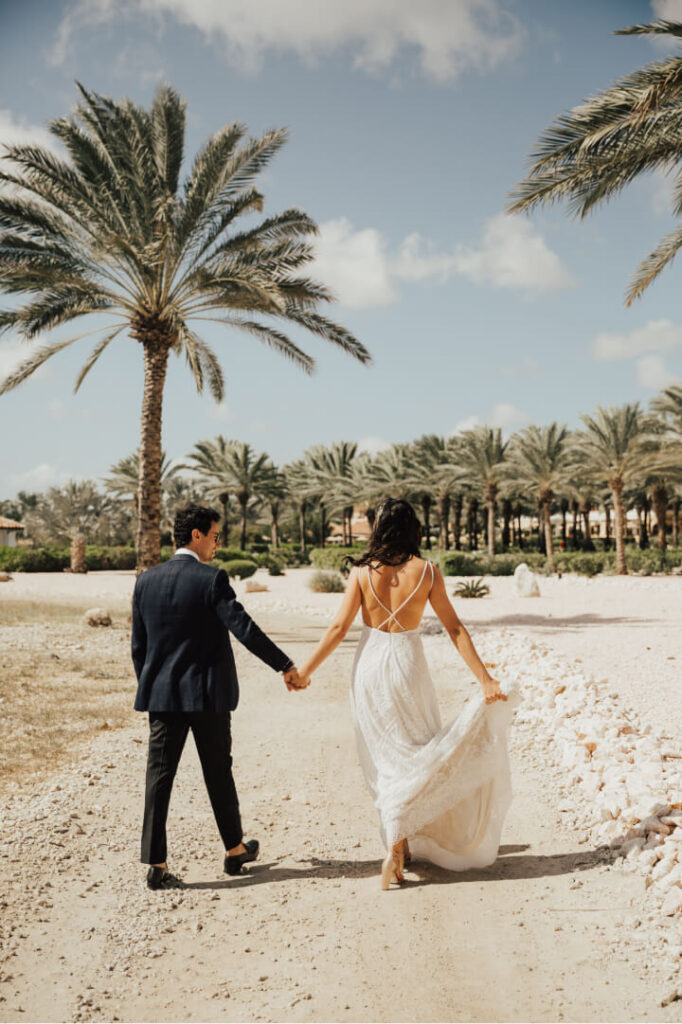
At a wedding, this can look like placing you near a window where soft light falls across your face, allowing the architecture of a historic Lisbon venue to frame your portrait, or taking a few unhurried minutes at sunset in the Douro Valley. The resulting image may feel polished, poetic, and intentional, but that does not mean it has to feel stiff.
Fine art work is often associated with elegant details: the curve of a dress, the texture of handmade stationery, candlelight on a reception table, or a quiet portrait that could live on a wall as easily as in an album. It gives visual weight to the beauty you chose so carefully, including the setting, design, and sense of place.
Direction is part of the process
A fine art photographer is more likely to offer gentle direction. They might adjust where you stand, suggest that you slow down, or create a calm pocket of time away from the celebration. This is not about turning your wedding into a photo shoot. It is about making room for images with a considered, lasting quality.
For couples who feel nervous in front of the camera, this guidance can be a gift. You do not need to know what to do with your hands or how to stand naturally. Clear, kind direction creates confidence, and confidence often looks far more natural than being told to ignore the camera completely.
Documentary Photography Protects What Cannot Be Recreated
Documentary photography is rooted in observation. Rather than arranging a scene, the photographer watches closely for real interactions and photographs them as they unfold. It honors the beautiful imperfections of a wedding day: the deep breath before a ceremony, a child dancing with abandon, an unexpected rain shower, or the way your closest friends react when you begin to speak your vows.
These are images that often become more valuable over time because they contain more than appearances. They preserve relationships, movement, personality, and the small details that may blur together when the day moves quickly.
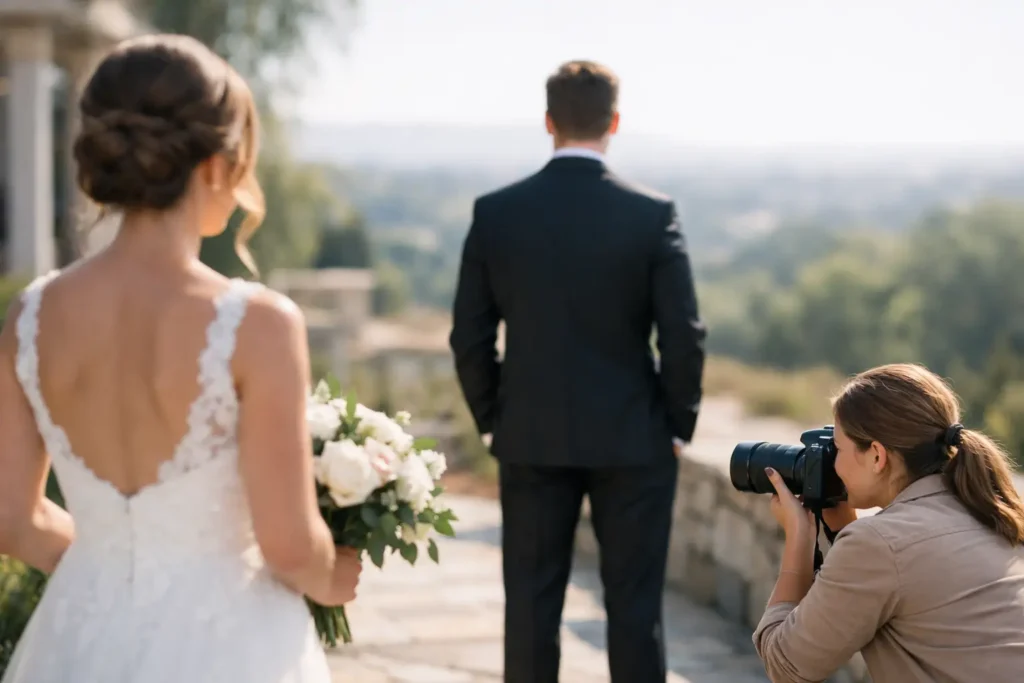
A documentary approach is especially meaningful during the parts of the celebration where emotion is already present. During a first look, a parent’s toast, or a packed dance floor, too much intervention can change the very moment you hoped to remember. A skilled documentary photographer knows when to stay close, when to step back, and how to anticipate a story before it disappears.
Honest does not mean unpolished
Documentary images are sometimes mistaken for casual snapshots. In reality, meaningful documentary work requires technical skill, patience, and a sharp awareness of light and composition. The photographer may have only a second to position themselves, read an expression, and make an image that feels both true and beautifully made.
There is also no requirement that documentary photography be dark, grainy, or visually messy. It can be luminous, refined, and deeply emotional. The style lies less in a preset or editing trend and more in the photographer’s commitment to preserving real life without forcing it into a predetermined shape.
Fine Art Versus Documentary Photography at a Wedding
The clearest difference between fine art versus documentary photography is intention. Fine art photography asks, “How can this be made into a beautiful image?” Documentary photography asks, “What is happening here, and why does it matter?” Both questions are valuable on a wedding day.
Consider your wedding morning. Fine art coverage might include a composed photograph of your gown hanging near a sunlit window, your shoes arranged with flowers, or an elegant portrait while final touches are being made. Documentary coverage might capture your best friend struggling with a button, your father seeing you ready for the first time, or a spontaneous burst of laughter when the room gets unexpectedly quiet.
Neither is more authentic by default. A directed portrait can reveal your connection when you are given room to be present with one another. An unposed image can feel distant if the photographer is not emotionally attentive. What matters is whether the work feels like you and whether the photographer understands the rhythm of a real celebration.
Why a Blended Approach Often Feels Most Complete
Most couples do not want to choose between beauty and truth. They want the striking portrait where Portugal’s landscape feels almost cinematic, and they want the photograph of their grandmother wiping away a tear. They want the considered details they invested in and the wild, unplanned joy of the dance floor.
A blended approach offers that balance. There can be intentional portrait time, usually planned around the most flattering light and the flow of your schedule, without pulling you away from guests for hours. The rest of the day can unfold naturally, with the photographer staying alert to what matters rather than constantly creating moments for the camera.
This balance is particularly helpful for destination weddings. Portugal offers extraordinary backdrops, from Porto’s riverside streets to the cliffs of the Algarve, but the scenery should never overwhelm the people in the photographs. A meaningful image might show the grandeur of a location, yet still lead your eye back to the way you are looking at each other.
How to Decide What You Need
Start by looking beyond individual portfolio images. Anyone can be drawn to one beautiful sunset portrait or one emotional candid. Ask what a full wedding story feels like. Are there quiet moments as well as dramatic ones? Do the guests feel present? Are the portraits relaxed and connected, or do they feel overly posed? Does the editing still feel elegant when the light changes from bright afternoon to a candlelit dinner?
Then consider your own priorities. If you have carefully chosen a venue, floral design, and wardrobe, you may value a photographer who will give those details the attention they deserve. If your wedding is centered on a long guest list, family traditions, or an intimate exchange of vows, documentary sensitivity may be your highest priority.
Your comfort matters just as much. Tell your photographer if you want direction, if you dislike being watched, or if you would rather spend most of cocktail hour with your guests. Good planning makes room for portraits without making the experience feel interrupted. It also allows the photographer to understand the relationships and moments that carry the most meaning for you.
Questions worth asking a photographer
When you speak with a photographer, ask how they balance guided portraits with candid coverage, how much time they recommend for portraits, and what they do when a schedule changes. Ask to see complete galleries in conditions similar to your celebration, not only a highlight reel. Their answers should feel specific, calm, and aligned with the kind of experience you want.
It is also worth asking how they approach imperfect weather or unexpected delays. Documentary instincts help a photographer adapt to real life. Fine art sensibility helps them find beauty within it. A misty evening in Porto or a windier-than-planned ceremony on the coast can become part of the story rather than a reason the story feels incomplete.
The Best Style Is the One That Feels Like Your Memory
Photographs are not only for announcing a wedding or filling an album. They are a way of returning to a day that moved too quickly. Years from now, you may love the carefully composed portrait because it reminds you how beautiful you felt. You may love a candid even more because it brings back the sound of someone’s laugh or the pressure of a hand in yours.
Choose a photographer whose work leaves room for both the elegance of your celebration and the honest life inside it. The goal is not to perform your love for the camera. It is to be present enough that the photographs can carry you back to it.
Related Articles