A wedding day can feel beautifully full before the ceremony has even begun. The quiet anticipation of getting ready, a meaningful letter, the sound of guests arriving, the first moment you see each other – these are not interruptions to the schedule. They are the story. Thoughtful wedding photo timing protects those moments while giving you photographs that feel calm, natural, and entirely your own.
For destination celebrations especially, a timeline is more than a list of appointments. It is the framework that lets you be present in an unfamiliar place, enjoy the people who traveled to celebrate with you, and make the most of Portugal’s remarkable light. The goal is never to turn your wedding into a photoshoot. It is to create enough space for the photography to unfold without asking you to rush through the day you have been waiting for.
Start With Light, Then Build Your Wedding Photo Timing
Natural light has a quiet but powerful effect on the feeling of your images. A ceremony under soft late-afternoon light can feel luminous and romantic; portraits taken in the hour before sunset tend to have warmth, depth, and a gentler atmosphere. That is why the ceremony time is often one of the first decisions worth discussing with your photographer.
In Portugal, light changes with the season and the setting. A summer wedding in the Algarve may bring intense midday sun and a very late sunset. In the Douro Valley, surrounding hills can create shade earlier than expected. A Lisbon rooftop, a Porto courtyard, and a coastal cliff each behave differently as the day moves on. Your photographer can help you understand what the location offers rather than relying on a generic timeline found online.
If you dream of golden-hour portraits, reserve 20 to 30 minutes around sunset. This does not have to mean leaving your guests for a long time. Often, a short walk outside after dinner or between courses is enough. The resulting images feel unhurried because, for those few minutes, you are simply together.
Be realistic about midday ceremonies
A midday ceremony may be the right choice for cultural traditions, venue logistics, or a relaxed lunch celebration. There is nothing wrong with it. The trade-off is that outdoor portraits immediately afterward may involve stronger shadows, heat, and more squinting.
When an earlier ceremony is fixed, we can look for open shade, architectural cover, interior spaces with beautiful window light, or a second portrait session later in the day. You do not need to redesign your celebration for perfect light. You simply need a plan that works gracefully with the light you have.
Give Each Part of the Day More Time Than You Think
Most timeline stress comes from underestimating transitions. Dresses take longer to fasten than expected. A car arrives late. A loved one needs help finding their seat. The champagne appears, and naturally, everyone wants a moment with you. These are normal, happy parts of a wedding day, but they require breathing room.
For preparation coverage, allow enough time to photograph the details, the final stages of getting ready, and the atmosphere around you. If hair and makeup finish exactly when photography begins, the room can feel rushed before the day has properly started. Ideally, hair and makeup are completed 30 to 45 minutes before you need to get dressed.
Getting dressed is often more emotional than couples expect. A parent fastening a button, friends adjusting a veil, a private breath before stepping outside – these moments deserve time. Plan roughly 30 minutes for each partner to get dressed if photographs are important to you, with a little more time for intricate outfits or separate locations.
Travel time deserves the same respect. In historic centers, vehicles may not stop directly at the venue. In popular destination areas, traffic and parking can be unpredictable. Build in a buffer of at least 15 minutes for short journeys and more if you are moving between regions or working with a large wedding party. A timeline with room to breathe feels luxurious, even when the day is full.
Decide Whether a First Look Fits Your Story
A first look is not required, and it is not less meaningful than seeing each other at the ceremony. For some couples, that traditional first reveal is one of the emotional anchors of the day. For others, a private first look offers a chance to settle their nerves, exchange a few words, and be together before guests arrive.
From a timing perspective, a first look can create flexibility. It allows you to complete couple portraits and many family photographs before the ceremony, leaving more time for cocktails and conversation afterward. This can be especially helpful when sunset arrives during dinner or when daylight is limited in autumn and winter.
Without a first look, plan portraits after the ceremony and protect that time clearly. Your guests can enjoy cocktails, music, and the beauty of the venue while you step away together. The key is not which option you choose. It is choosing intentionally, based on the experience you want rather than on pressure from a checklist.
Plan Family Photos With Care
Family photographs matter most when they are simple, efficient, and organized. The best approach is to create a short list of essential groupings before the wedding: parents, siblings, grandparents, and any combinations that carry particular meaning. Fifteen to 25 minutes is usually enough for a focused list, depending on family size and mobility needs.
Assign one person who knows everyone well to help gather relatives. This small decision can save considerable time and lets you remain in the moment rather than calling for people across a busy courtyard or reception space. If there are elderly guests, young children, or relatives who need to leave early, schedule their photos first.
Try to avoid an extensive list of every possible combination. The longer it becomes, the more likely everyone feels pulled away from the celebration. A few well-considered family portraits will hold far more feeling than a rushed series of formal arrangements.
Protect Time for Just the Two of You
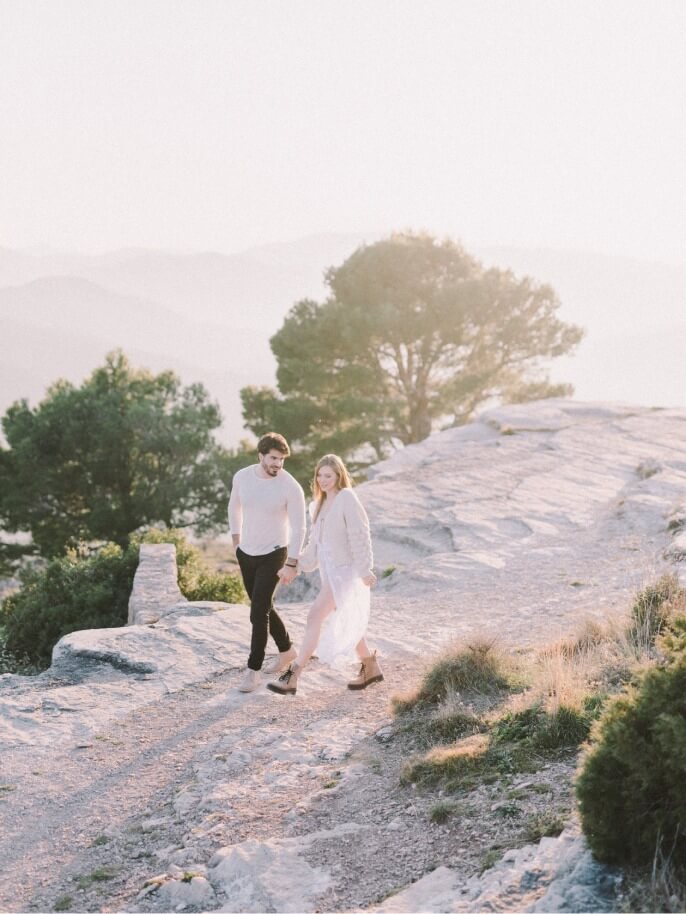
Couple portraits do not need hours of posing. In fact, the most sincere images often happen when you are given a little privacy and gentle direction rather than being asked to perform for the camera. A calm 30-minute portrait session, plus a brief golden-hour return if the schedule allows, is often ideal.
We may walk through a vineyard path, pause beside an old stone wall, or find a quiet corner with the city unfolding behind you. The setting matters, but the connection between you matters more. You do not need to know what to do with your hands or where to look. You only need permission to slow down together.
If your reception includes a long dinner, sunset portraits can also offer a welcome pause. Tell your planner, venue team, and guests in advance that you will step out briefly. When everyone understands the plan, there is no need to feel guilty for taking those few minutes.
Keep the Reception Timeline Kind to the Evening Light
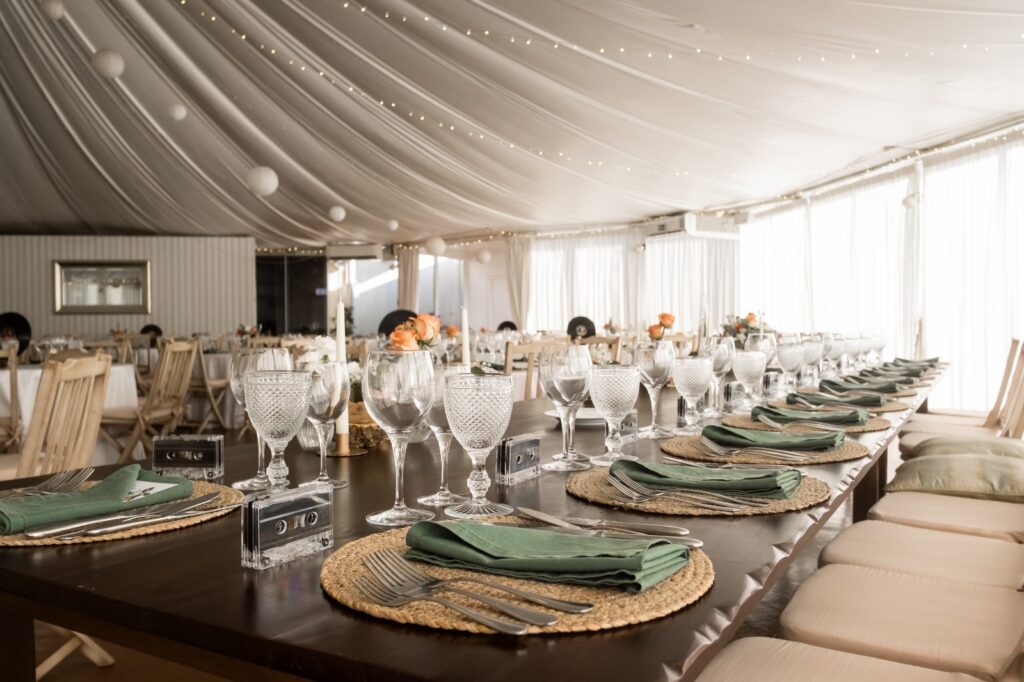
Reception details are usually photographed before guests enter the space. If you have invested in flowers, stationery, tablescapes, or a dramatic view, allow 20 to 30 minutes for those images before the room fills. This may mean setting the tables earlier or inviting guests to cocktails while the final details are captured.
Consider the order of speeches, dinner, cake cutting, and first dance in relation to light and energy. A first dance outdoors at dusk can be beautiful, but only if it matches the season and your guests’ comfort. If the party begins after dark, a few minutes of ambient light and thoughtful flash photography can preserve the atmosphere without making the evening feel overly staged.
There is also value in not scheduling every minute. Some of the photographs you will treasure most may be the spontaneous ones: a grandparent laughing during dinner, friends embracing on the dance floor, or your hands finding each other beneath the table.
A Timeline Should Serve the Feeling of the Day
The most successful wedding photo timing is rarely the most crowded. It reflects your priorities, the season, the venue, and the people you love. It leaves room for a delayed zipper, an unexpected toast, a deep breath before the aisle, and the kind of laughter no schedule can predict.
When you plan with light and breathing room in mind, photography becomes less about fitting moments into a timeline and more about noticing them as they happen. Let the day move at a pace that allows you to feel it fully. Your photographs will remember that feeling long after the music has faded.
Related Articles