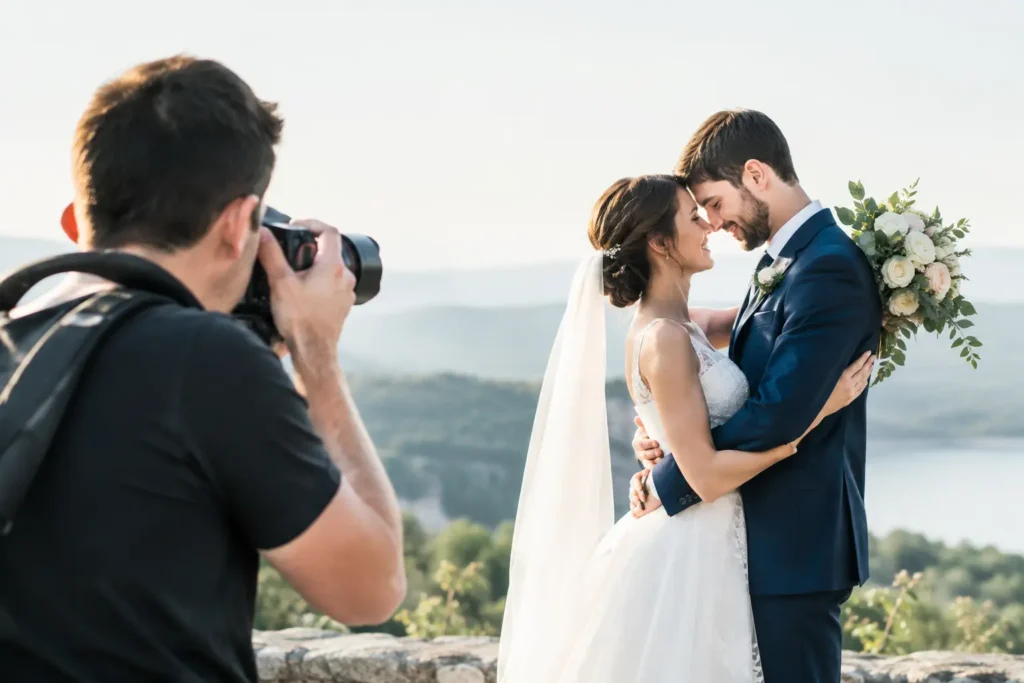
A wedding shot list should not turn your day into a production schedule. When you set out to create a wedding shot list, the goal is not to prescribe every photograph. It is to give your photographer a clear sense of the people, details, and moments that matter most, so you can stay present while your story unfolds naturally.
For a destination celebration in Portugal, a thoughtful list is especially helpful. You may be bringing loved ones together from different countries, planning in a place you know mostly through photographs, and trying to make the most of a beautiful but fast-moving day. The right preparation creates calm. The wrong one can make an intimate celebration feel rushed and over-directed.
Start With Priorities, Not Poses
Begin with the photographs you would feel genuinely disappointed to miss. Most couples do not need a long inventory of Pinterest recreations. They need the people who shaped their lives, the meaningful choices woven into the day, and enough space for unscripted emotion.
Think about your shot list as a set of priorities rather than commands. Tell your photographer that your grandmother will be wearing a family heirloom, that your college friends are finally all together, or that the table setting reflects a favorite summer in the Douro Valley. Context helps a photographer notice the significance behind a moment. A rigid request such as “take 30 reception photos” does not.
This distinction matters because the most lasting images are often not planned: your partner taking a breath before the ceremony, a parent reaching for your hand, laughter during a toast, or the two of you pausing in the evening light after everyone has gone inside.
What to Include in a Wedding Shot List
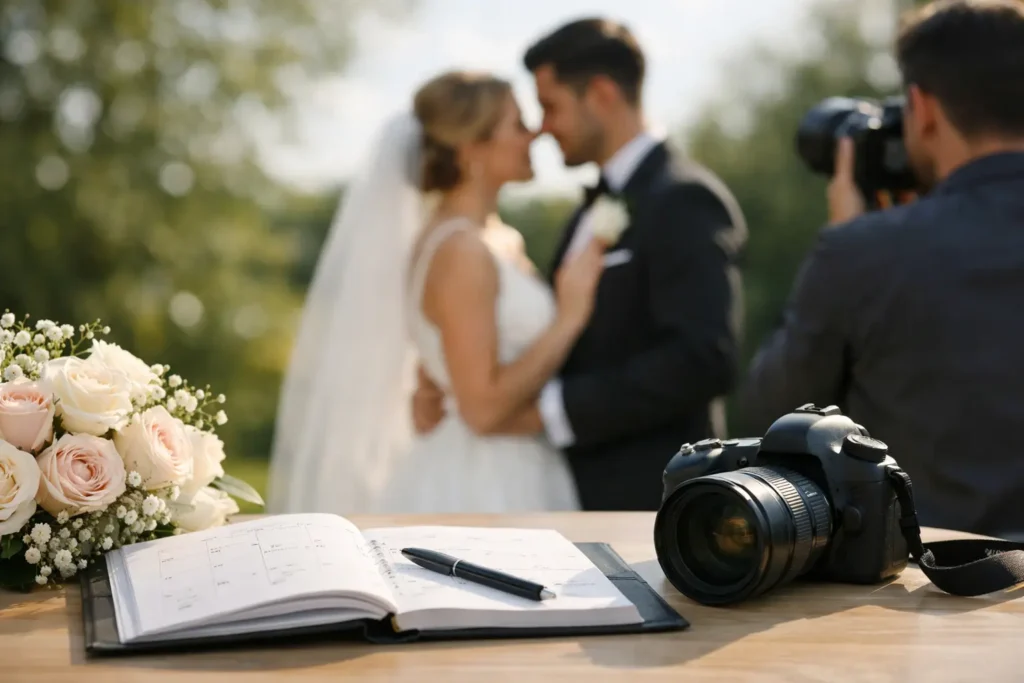
A useful list covers the essential parts of the day while leaving room for observation. Share it well before the wedding, ideally after your timeline and family groupings are taking shape. Your photographer can then advise on what is realistic within the available light, travel time, and celebration schedule.
Meaningful details
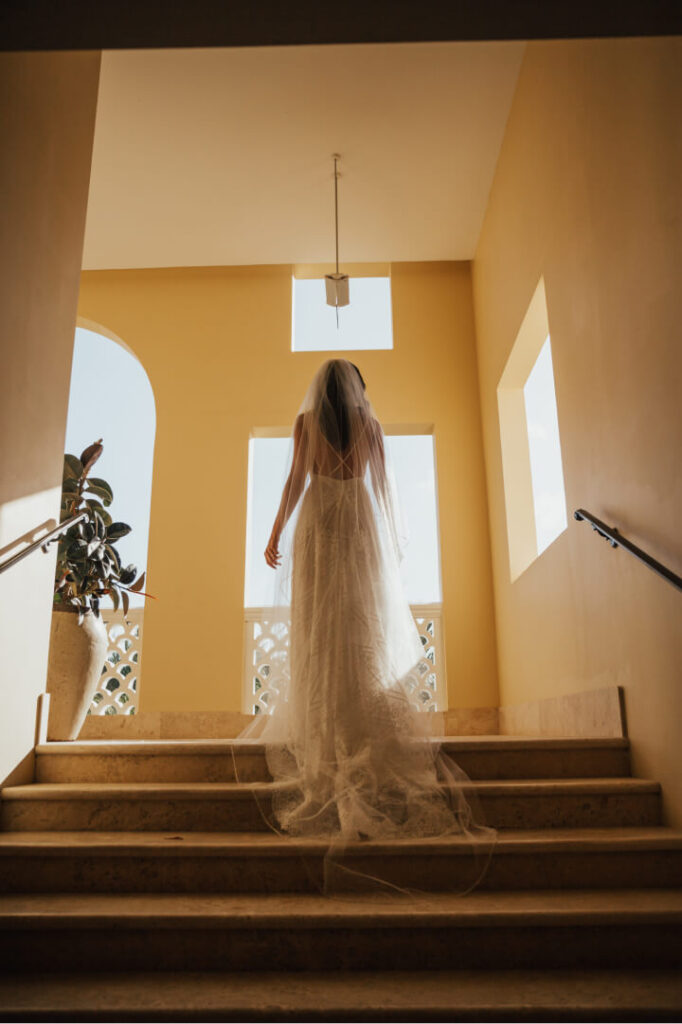
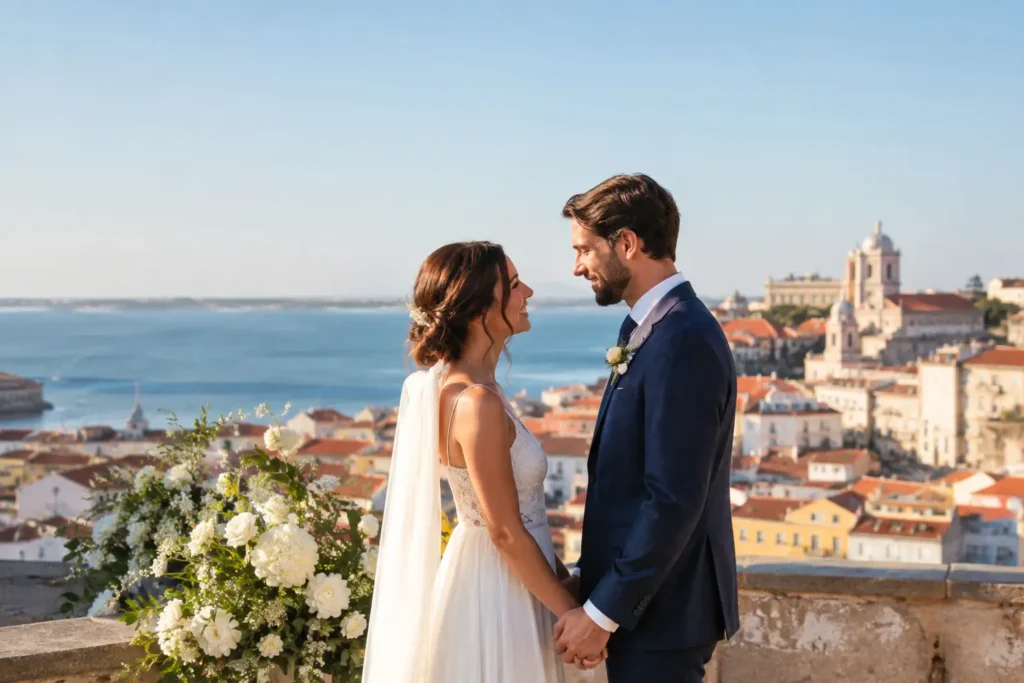
Choose a few details with emotional or visual importance: attire, rings, stationery, flowers, ceremony elements, family jewelry, and the reception setting before guests arrive. If you are marrying in Lisbon, Porto, the Algarve, or the Douro Valley, you may also want a sense of place: tiled architecture, vineyard views, coastal cliffs, a historic courtyard, or the quiet streets around your venue.
You do not need to list every object in the room. Instead, call out anything that carries a personal story. That lets the photographs feel like your wedding, not a generic collection of details.
The people closest to you
Names are more valuable than broad labels. Let your photographer know who is especially important, whether someone is traveling a great distance, or whether a family relationship needs gentle consideration. A brief note can prevent awkwardness and help create portraits that feel warm rather than transactional.
For formal family photographs, include the exact combinations you want. Keep them concise. Ten carefully chosen groupings are often more enjoyable than twenty-five combinations that leave everyone waiting in the sun while the reception begins.
The emotional arc of the day
List the moments you want documented, but allow your photographer to interpret them. Getting ready, first looks, the ceremony entrance, vows, embraces afterward, speeches, first dances, and a joyful dance floor are all natural anchors. If you are planning a private vow exchange, a surprise gift, or a sunset walk together, add it to the list with approximate timing.
A photographer does not need a script for every reaction. They do need to know when something meaningful is likely to happen and where it will take place.
The atmosphere you chose
Many destination couples spend considerable care choosing a location because it reflects how they want the day to feel. Mention the atmosphere you hope to preserve: candlelit and intimate, relaxed and coastal, elegant and formal, or lively and family-centered. This is not a shot request, but it informs the visual approach, from quiet documentary moments to refined portraits.
Keep Family Photos Efficient and Kind
Family portraits are often the one part of the day that benefits from clear structure. They are also where a little planning protects your time together.
Arrange groupings from largest to smallest, beginning with anyone who may need to leave early or has limited mobility. Ask one trusted person from each side of the family to help gather relatives. Your photographer should not have to search a busy cocktail hour for an uncle you have not seen in years.
Aim for five to ten minutes per grouping cluster, not per individual photograph. The exact timing depends on the size of your family, children’s ages, venue layout, and whether everyone has understood where to be. If the ceremony ends close to sunset, simplify the list further. Natural portrait light is fleeting, and it is worth protecting a few unhurried minutes for the two of you.
Leave Space for Your Photographer’s Eye
A shot list is most helpful when it tells your photographer what cannot be missed. It becomes less helpful when it attempts to predict every image. Experienced wedding photographers are constantly watching for changing light, movement, gestures, and small interactions that no list can anticipate.
You may have saved an image of a couple walking through an olive grove or standing beneath dramatic coastal cliffs. Use reference images to communicate mood, not to require an identical result. Light, weather, season, dress movement, venue access, and your own energy will shape the photograph. The aim is to create something true to your celebration, not to reproduce someone else’s.
This is particularly relevant in Portugal, where beautiful locations can also bring practical variables. A historic city street may be lively at one hour and quiet at another. Atlantic wind can be romantic in photographs but challenging for a veil. A vineyard view may be perfect in late afternoon and harsh at midday. Trust local guidance when your photographer suggests a different portrait time or a nearby alternative.
Build the List Around the Timeline
The best shot list and the best timeline work together. Before finalizing either, consider where people will be, how long it takes to move between spaces, and when the light is most flattering.
If you want relaxed getting-ready photographs, avoid scheduling hair, makeup, and dressing in a cramped room at the same moment. If sunset portraits matter to you, let your planner and photographer reserve a short window rather than hoping it happens by chance. If you are hosting a large reception, decide whether you would rather greet every guest during cocktail hour or step away briefly for portraits. Neither choice is wrong, but both ask for intention.
A first look can create more time for portraits and family groupings before the ceremony. On the other hand, some couples value the emotion of seeing each other for the first time during the processional. Choose what feels right for you, then shape the schedule around that choice rather than forcing yourselves into a tradition that does not fit.
A Simple Way to Organize Your Notes
Keep your final document short enough that it can be used on the day. A single page is often ideal. Organize it into four sections: must-have family groupings, personal details or traditions, planned moments with timing, and any sensitivities or special guests your photographer should know about.
Avoid sending separate notes from multiple family members. One shared, final list reduces confusion and gives you a chance to decide which requests truly matter. If a parent wants a large extended-family portrait, include it if it is meaningful to you, but give it a defined place in the timeline. Thoughtful boundaries are part of a relaxed wedding day.
Most of all, remember that your photographs are not a checklist of proof. They are a record of how the day felt: the anticipation, the beauty, the people who came close, and the quiet look you exchanged when everything became real. Make room for those moments, and your shot list will support the story rather than interrupt it.
Related Articles